
 By Hannah Wright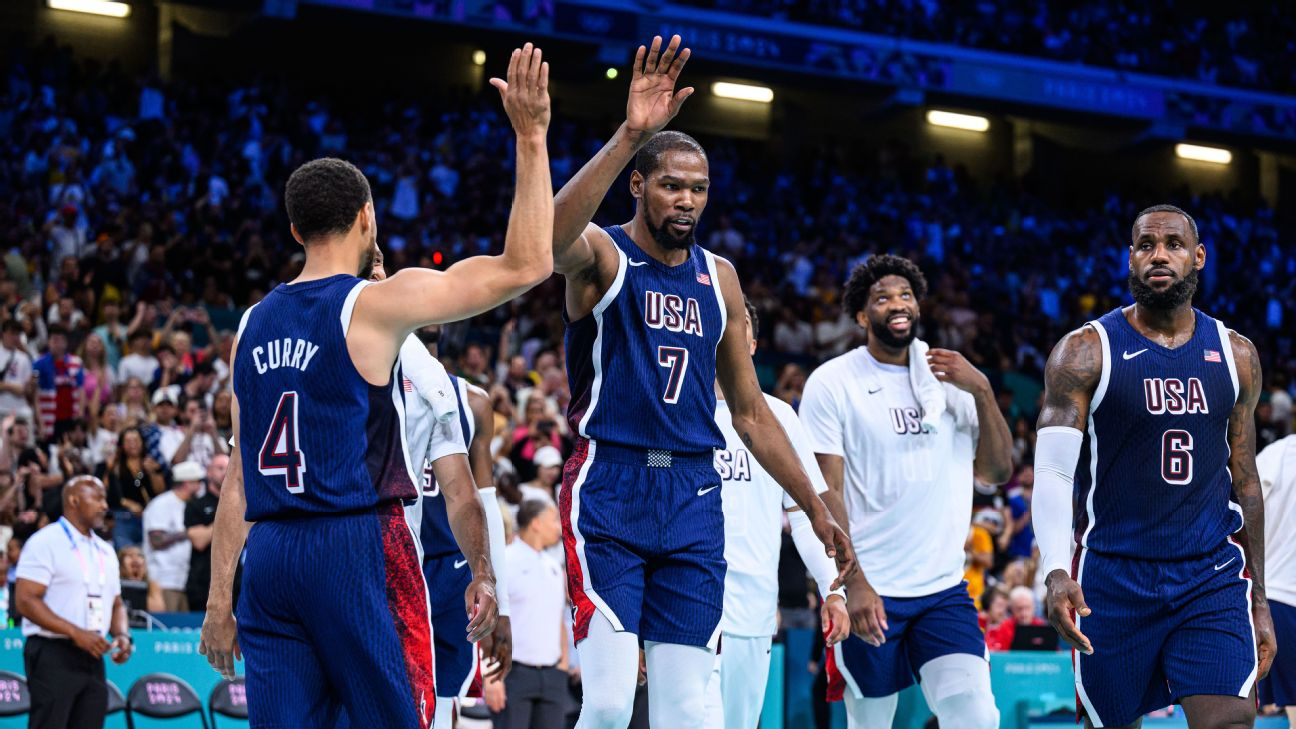
An increasing number of NBA superstars are declining invitations to play for USA Basketball, and their reasons go far beyond simple disinterest. From injury risk and workload management to mental health, contract pressure, and evolving career priorities, these decisions reveal how modern basketball has changed. What fans see as shocking refusals are, for players, calculated choices about longevity, legacy, and survival in today’s NBA.
When USA Basketball releases a roster ahead of the Olympics or a major international tournament, fans expect to see the biggest names in the NBA proudly wearing red, white, and blue. For decades, that expectation was almost guaranteed.
Then comes the surprise.
A superstar declines.
Social media erupts. Sports talk shows light up. Headlines scream betrayal, fear, or ego. And inevitably, one question dominates the conversation:
Why would an NBA star refuse to play for USA Basketball?
In recent years, several high-profile players have given candid explanations—some publicly, some through insiders—that reveal a reality many fans don’t want to acknowledge. Playing for Team USA is no longer a simple honor. It’s a high-risk career decision.
This article breaks down the shocking confession behind these refusals, explains why experts aren’t surprised, and explores what this trend means for the future of USA Basketball and the NBA itself.
Why This Topic Hits a Nerve With American Fans
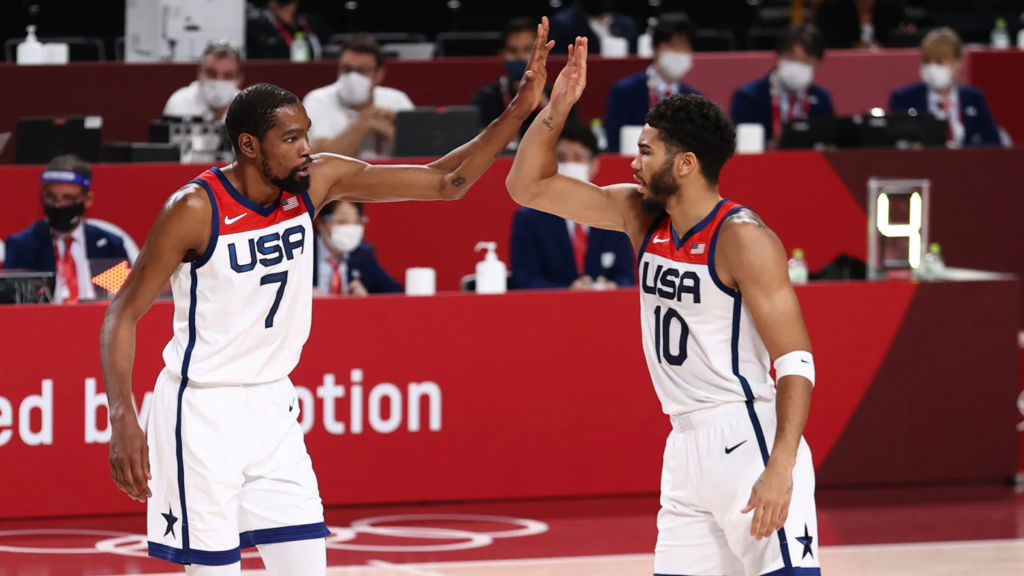
For many fans, USA Basketball represents more than sports.
It represents:
- National pride
- Basketball supremacy
- Global respect
- A continuation of the Dream Team legacy
The 1992 Dream Team changed how the world viewed basketball. Ever since, Americans have assumed the best players would always show up.
So when an NBA star says “no,” it feels personal.
But the modern NBA operates in a very different world.
The Shocking Confession: “I Have to Protect My Career”
One phrase keeps surfacing in player explanations:
“I have to protect my body and my career.”
This is not arrogance. It’s realism.
NBA players today face:
- 82-game regular seasons
- Long playoff runs
- Offseason training programs
- Global travel
- Media and sponsorship obligations
Adding international tournaments often means playing competitive basketball 12 months a year.
That wasn’t the case in the 1990s or early 2000s.
Injury Risk: The Fear No One Can Ignore
Nothing changed player attitudes more than one moment.
In 2014, Paul George suffered a catastrophic leg injury during a USA Basketball exhibition game. The injury wasn’t just season-ending—it nearly ended his career.
Players noticed.
Executives noticed.
Agents noticed.
From that point forward, international play stopped being viewed as “low risk.”
For modern NBA stars:
- One injury can erase a max contract
- One injury can destroy momentum
- One injury can shorten a career
That risk is real, not theoretical.
Workload Management Is No Longer Optional
Load management is no longer controversial inside NBA locker rooms. It’s standard.
Sports science now shows that:
- Fatigue increases injury probability
- Rest improves performance longevity
- Overuse leads to chronic issues
Players skipping USA Basketball often explain that they need the offseason to:
- Rehab nagging injuries
- Restore muscle balance
- Improve conditioning
- Extend their prime
To fans, the offseason looks long. To players, it barely exists.
Contract Pressure Changes Everything
NBA contracts today are massive.
A single injury during international play could cost:
- Tens of millions of dollars
- Contract extensions
- Endorsement deals
- Team trust
For players approaching free agency or extension negotiations, risk tolerance drops dramatically.
This isn’t selfishness—it’s responsibility.
Mental Health: The Quiet Factor Fans Rarely Hear About
Mental exhaustion is real.
NBA stars live under:
- Constant scrutiny
- Online abuse
- Media pressure
- Performance expectations
Several players have openly discussed anxiety, burnout, and mental health struggles.
For some, the offseason is the only time they feel normal.
Choosing family time, rest, and mental recovery over another tournament isn’t weakness—it’s self-preservation.
“I Didn’t Feel Valued Last Time” — The Role Issue
Another reason players quietly step away: role dissatisfaction.
International teams are different:
- Limited minutes
- Reduced offensive freedom
- Strict systems
- Coaching hierarchy
Some stars:
- Barely touched the ball
- Played unfamiliar roles
- Felt misused
Once burned, they often don’t return.
Experts Say This Was Inevitable
Basketball analysts largely agree: this trend was unavoidable.
Experts point out:
- NBA careers are shorter than fans think
- The body wears down faster than before
- The financial stakes are unprecedented
- International competition is tougher
One analyst summed it up perfectly:
“The risk-reward equation changed. Players adapted.”
Has Team USA Actually Suffered?
Surprisingly, not much.
USA Basketball still benefits from:
- The deepest talent pool in the world
- Rising young stars eager to prove themselves
- Elite coaching infrastructure
- System-based play
While fans fixate on who’s missing, coaches focus on who’s committed.
And commitment often matters more than fame.
Why Younger Players Are Saying “Yes”
Interestingly, the refusal trend isn’t universal.
Younger players often accept invitations because:
- They want international experience
- They’re building global brands
- They’re proving leadership potential
- They’re chasing legacy moments
For rising stars, Team USA is still a launchpad.
Why Fans Feel Hurt — And Why That’s Understandable
Fans aren’t wrong to feel disappointed.
USA Basketball is emotional. It’s symbolic.
Fans want:
- The best vs. the best
- Dominance on the world stage
- Continuation of tradition
But expectations were built in a different era.
The modern NBA is a year-round grind, not a seasonal job.
Global Basketball Changed the Equation
Another reality fans overlook: many NBA stars aren’t American.
International players proudly represent their countries because:
- It’s rare opportunity
- It’s personal identity
- It’s national legacy
American players already dominate the NBA stage.
For them, the calculation is different.
Could USA Basketball Adapt?
Some experts believe USA Basketball may evolve by:
- Asking for earlier commitments
- Offering better injury protections
- Rotating participation cycles
- Emphasizing chemistry over stars
The program has adapted before—and it likely will again.
Does Skipping Team USA Hurt a Player’s Legacy?
This depends on who you ask.
Fans may say yes.
Executives and analysts often say no.
In today’s NBA:
- Championships matter more
- Longevity matters more
- Availability matters more
Legacy is now defined by sustained excellence, not appearances.
What This Means for the Future
Looking ahead, expect:
- More selective participation
- Younger-leaning rosters
- Role players alongside stars
- Ongoing fan debate
USA Basketball isn’t declining—it’s evolving.
Final Takeaway: The Confession Changes Everything
When an NBA star refuses to play for USA Basketball, it’s not about ego or patriotism.
It’s about:
- Health
- Longevity
- Career survival
- Personal balance
The shocking confession isn’t that players are selfish.
It’s that the modern NBA demands smarter decisions than ever before.
Key Reasons NBA Stars Decline USA Basketball (Quick Recap)
- Injury risk
- Workload management
- Contract protection
- Mental health priorities
- Family commitments
- Role dissatisfaction
- Franchise influence
- Career longevity planning
- Scheduling conflicts
- Evolving legacy definitions
Frequently Asked Questions (FAQ)
1. Why do some NBA stars refuse to play for USA Basketball?
Ans. Most cite injury risk, workload management, contract protection, and long-term career planning as primary reasons.
2. Is refusing Team USA considered unpatriotic?
Ans. No. Most experts view it as a professional and health-based decision, not a political or national statement.
3. Did injuries during USA Basketball change player attitudes?
Ans. Yes. High-profile injuries made players far more cautious about offseason competition.
4. Do NBA teams discourage players from international play?
Ans. Some franchises strongly prefer players to prioritize rest and rehabilitation during the offseason.
5. Are players paid well for USA Basketball participation?
Ans. Compensation exists but is minimal compared to NBA salaries and endorsement earnings.
6. Why do younger players still say yes to Team USA?
Ans. Younger players seek exposure, experience, leadership growth, and global recognition.
7. Has Team USA struggled because stars declined?
Ans. Not significantly. The depth of American talent keeps the team competitive.
8. Does skipping Team USA hurt Hall of Fame chances?
Ans. Rarely. NBA achievements and longevity carry far more weight.
9. Will more players refuse Team USA in the future?
Ans. Likely yes, as health science and career management continue to evolve.
10. Can USA Basketball adjust to this trend?
Ans. Yes. The program has adapted before and is expected to continue evolving its approach.