
 By Jonathan Reed
Basketball coaches at every level are quietly banning specific plays once the ball crosses the half-court line. Advanced analytics, defensive evolution, and real-game data show these actions dramatically increase turnovers and momentum swings. From risky dribble handoffs to aimless isolations, modern coaches now prioritize efficiency, spacing, and decision speed to protect possessions and maximize winning probability.
Introduction: The Half-Court Line Is No Longer Neutral
To casual fans, the half-court line is just a boundary separating two sides of the floor. To modern basketball coaches, it has become one of the most dangerous decision points in the entire game.
Over the last decade, basketball has undergone a quiet but dramatic transformation. The game is faster, defenses are smarter, and analytics have exposed inefficiencies that were once invisible. One of the biggest revelations? A significant percentage of damaging turnovers and momentum-shifting mistakes happen immediately after crossing half court.
As a result, coaches—from high school gyms to NBA sidelines—are actively banning or discouraging certain plays once the offense enters the frontcourt. These bans are not about limiting creativity. They are about survival, efficiency, and winning margins.
Why the Half-Court Line Changes Everything
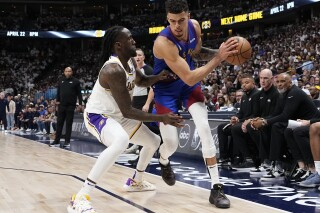
Crossing half court signals the end of transition and the beginning of structured offense. At that moment, several things happen simultaneously:
- The shot clock becomes a factor
- Defensive spacing tightens
- Help defenders load early
- Passing lanes shrink
According to modern tracking data, nearly 40% of live-ball turnovers occur within the first few seconds after crossing half court. These turnovers are especially costly because they often lead to uncontested fast-break points.
Coaches now treat the half-court line as a decision checkpoint, not a place to improvise.
The Analytics That Forced Coaches to Act
The rise of basketball analytics has fundamentally reshaped coaching philosophy. Teams now analyze:
- Turnovers by court location
- Points allowed after live-ball giveaways
- Expected points per possession by action type
What the data revealed was uncomfortable: many traditionally accepted plays become statistically inefficient once executed after half court without an advantage.
Plays that “look good” on highlight reels often rank poorly in points per possession. Coaches, whose jobs depend on results, can no longer ignore that reality.
The Plays Coaches Are Actively Banning After Half Court
1. Casual Dribble Hand-Offs at the Top
Dribble hand-offs used to be considered safe, flow-based actions. Today, defenses anticipate them aggressively.
In real games, defenders now:
- Jump the exchange
- Switch early
- Force ball handlers into traps
What once created rhythm now creates steals and runouts. Many coaches now require dribble hand-offs to be set with purpose and spacing, or not at all.
2. Isolation Dribbling Without a Clear Advantage
Few things frustrate coaches more than a player crossing half court and pounding the ball for eight seconds without forcing a reaction.
Modern defenses are designed to:
- Absorb one-on-one moves
- Funnel drivers into help
- Wait out the shot clock
Coaches now emphasize a simple rule: no isolation unless there is a mismatch, a switch, or an advantage already created.
3. Cross-Court Skip Passes from the Logo
Cross-court passes are high-risk by nature. When thrown immediately after half court, they become even more dangerous.
Film study consistently shows:
- Weak-side defenders sitting in passing lanes
- Anticipation-based steals
- Instant transition points
Many coaches now ban skip passes until the defense has shifted or collapsed.
4. Deep Pull-Up Threes with No Rebound Structure
The modern game celebrates shooting range, but coaches still value possession math.
A missed deep pull-up three often results in:
- Long rebounds
- Broken floor balance
- Easy opponent baskets
As a result, many teams restrict these shots to:
- Late-clock situations
- Transition advantages
- Elite shooters only
How Defense Is Driving These Changes
Defense has evolved faster than offense in recent years. Teams now:
- Pre-switch matchups
- Blitz ball handlers early
- Shrink the floor immediately after half court
Certain offensive actions now act as defensive triggers, signaling traps or aggressive rotations. By banning those actions, coaches remove the defense’s advantage before it even forms.
This chess match is especially visible in playoff basketball, where mistakes are magnified.
Real-Life Examples from Competitive Games
In college basketball, many coaches bench guards who turn the ball over within seconds of crossing half court—not as punishment, but as a teaching tool.
In professional basketball, teams have lost playoff games due to two or three careless half-court turnovers that flipped momentum entirely. Coaches remember those moments. Players feel them.
These experiences drive policy changes far more than theory ever could.
The Psychological Impact of Half-Court Mistakes
Turnovers after half court hurt more than the scoreboard suggests.
They:
- Energize opposing crowds
- Deflate offensive confidence
- Force emergency timeouts
- Shift emotional control of the game
That’s why coaches simplify reads and limit risky freedom in this zone. Banned plays are often about protecting players from themselves under pressure.
What Coaches Are Teaching Instead
Rather than risky actions, modern coaches emphasize:
- Early ball reversals
- Quick-hitter sets
- Advantage-based reads
- Immediate off-ball movement
The goal is controlled flow—not chaos.
This approach has trickled down into youth and high school basketball, reshaping how players are developed from an early age.
Why Fans Often Misunderstand These Bans
From the stands, these restrictions can look conservative or boring. Fans love creativity. Coaches love repeatable efficiency.
A move that works 3 out of 10 times is not worth the seven times it leads to disaster. Modern coaching is less about flair and more about probabilities.
Winning basketball often looks simple.
Is This Trend Global?
Yes. International basketball has emphasized possession security for decades. Many American coaches are now borrowing from that philosophy, especially in close games.
The result is cleaner execution, fewer mistakes, and tighter finishes—exactly what winning teams want.
Key Takeaways for Players, Coaches, and Fans
- The half-court line is a danger zone for bad decisions
- Analytics now guide play selection
- Banned plays are about efficiency, not control
- Smart basketball often looks boring—but it wins
Understanding this trend makes you a better player, a smarter fan, and a more informed coach.
Frequently Asked Questions
1. Why are coaches banning certain plays after the half-court line?
Ans. Because analytics show turnovers and defensive breakdowns spike immediately after crossing half court, leading to easy points for opponents.
2. Are players losing freedom in modern basketball?
Ans. Not entirely. Freedom still exists, but within structured, advantage-based decisions that reduce risk.
3. What is the most commonly banned play after half court?
Ans. Casual dribble hand-offs near the top of the key due to high steal rates.
4. Does this apply to youth and high school basketball?
Ans. Yes. Many youth programs now teach half-court discipline early to limit turnovers.
5. Why are isolations discouraged after half court?
Ans. Because they often drain the shot clock without creating an advantage, making offenses predictable.
6. Are deep pull-up threes always bad shots?
Ans. No, but they are discouraged without spacing, rebound position, or game context.
7. How do defenses exploit half-court mistakes?
Ans. By anticipating actions, jumping passing lanes, and turning turnovers into fast breaks.
8. Is this trend driven mainly by analytics?
Ans. Yes. Shot charts, turnover data, and efficiency models heavily influence modern coaching.
9. Do star players follow these half-court rules?
Ans. Even stars operate within guidelines, especially in close games and playoffs.
10. Will banned plays ever return?
Ans. Possibly. Basketball strategy is cyclical and evolves as defenses adapt.