
 By Andrew Sullivan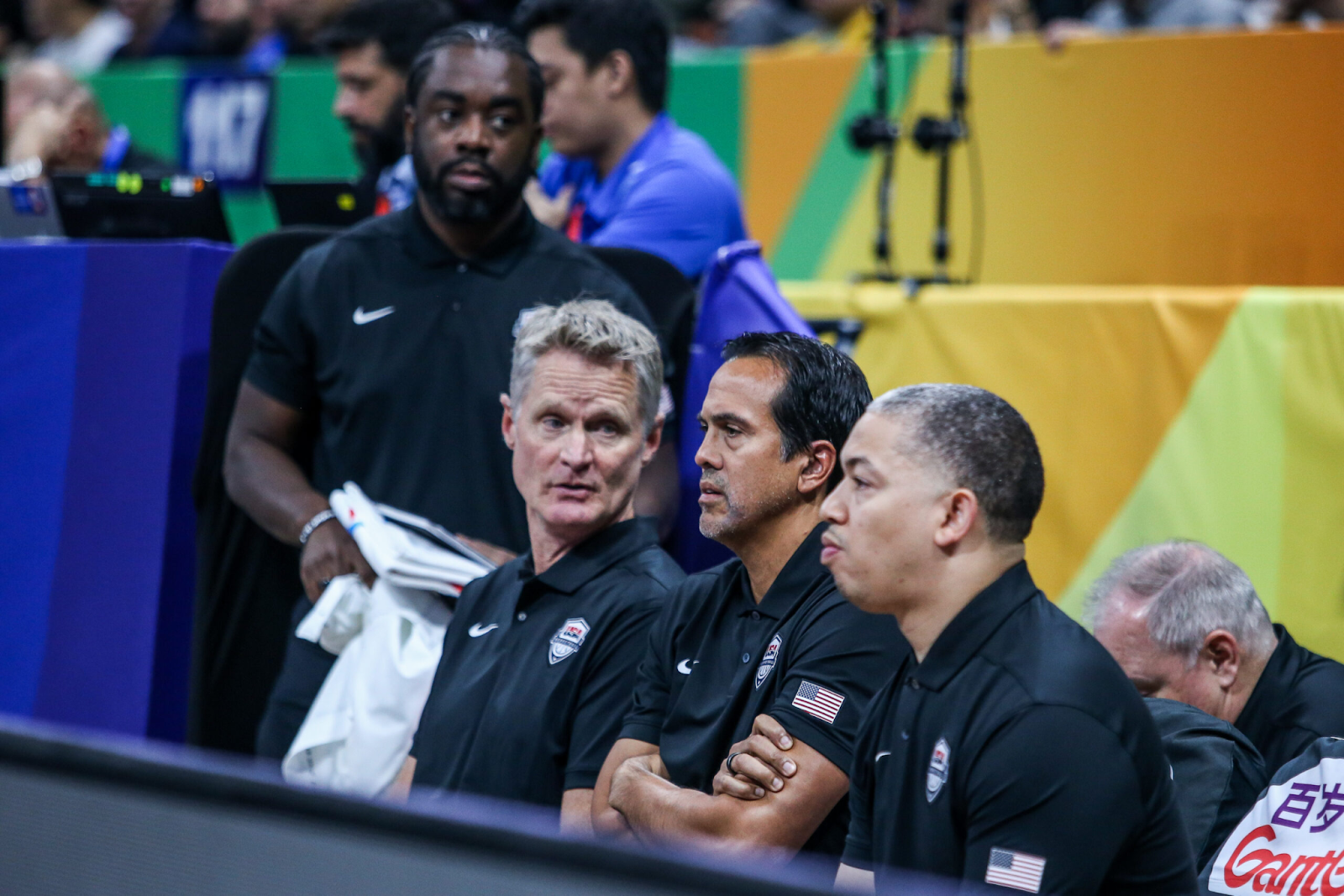
While fans see superstars and coaches leading Team USA, real power in USA Basketball operates behind the scenes. Executives, selection committees, managing directors, league partnerships, and development planners determine roster decisions and long-term success. This in-depth guide uncovers who truly runs USA Basketball, how decisions are made, and why organization—not just talent—keeps America competitive on the world stage.
When Team USA steps onto the Olympic court, cameras focus on superstar players, iconic coaches, and roaring crowds. Gold medals, buzzer-beaters, and unforgettable performances dominate headlines.
But very few fans understand how much happens before those moments ever occur.
Who decides which NBA stars represent the country? Who builds the long-term plan? Who negotiates player participation? Who ensures chemistry works? Who shapes Team USA’s future pipeline?
The truth is, USA Basketball is driven by a sophisticated leadership structure operating mostly out of public view. Decisions involving player selection, coaching hires, strategy, development, and scheduling are crafted through months—and sometimes years—of behind-the-scenes planning.
And in many cases, those unseen decisions determine success or failure long before the first game begins.
This article reveals how USA Basketball really operates, who holds decision-making power, and why organization matters just as much as talent in maintaining Olympic dominance.
Understanding USA Basketball’s Organizational Structure
USA Basketball serves as the national governing body for basketball in international competitions. Recognized by both FIBA and the United States Olympic & Paralympic Committee, the organization oversees all American basketball teams competing globally.
Responsibilities include:
- Managing men’s and women’s national teams.
- Running youth and development programs.
- Coordinating Olympic and World Cup participation.
- Selecting coaching staffs.
- Managing international relations.
- Supporting player development pathways.
At first glance, it appears coaches and players run the show. But decision-making authority spreads across committees and executives working behind the scenes.
This layered structure ensures decisions aren’t left to one person.
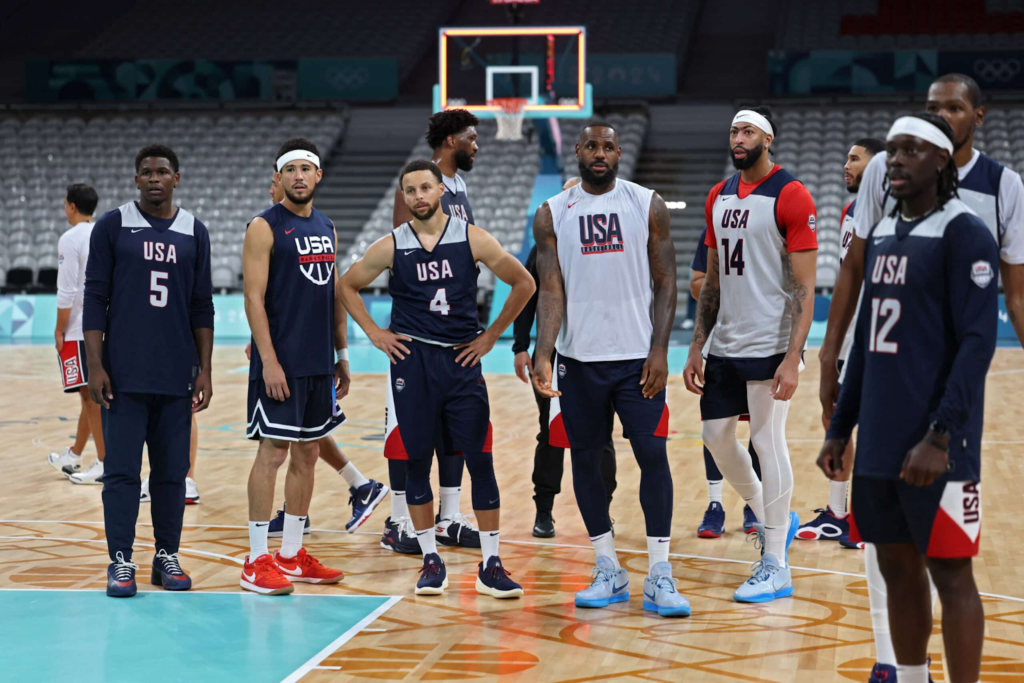
Who Actually Chooses Team USA Rosters?
One of the most misunderstood aspects of USA Basketball involves roster selection.
Fans often assume coaches pick players. In reality, rosters emerge from collaboration between executives, committees, and advisors.
Key figures involved include:
- Managing directors overseeing long-term strategy.
- Selection committees reviewing talent pools.
- Coaching staff providing recommendations.
- Medical and performance advisors evaluating health risks.
- NBA teams coordinating player availability.
- League and agent negotiations.
Roster decisions balance many factors beyond raw talent.
Important considerations include:
- Player health and injury risk.
- Positional balance.
- Team chemistry.
- FIBA rule compatibility.
- Availability conflicts.
- Role acceptance among superstars.
Thus, assembling Team USA resembles puzzle-building more than simply picking All-Stars.
The NBA’s Hidden Influence on USA Basketball
Although USA Basketball operates independently, cooperation with the NBA is critical.
NBA teams invest heavily in players, often worth hundreds of millions of dollars in contracts. Naturally, franchises want players healthy entering new seasons.
NBA involvement influences:
- Tournament participation timing.
- Player workload management.
- Injury risk decisions.
- Offseason recovery periods.
- Availability negotiations.
Behind the scenes, USA Basketball executives regularly communicate with NBA organizations to coordinate participation.
Without league cooperation, roster construction becomes far more complicated.
Why Managing Directors Hold Enormous Power
Managing directors often wield more influence than coaches, though fans rarely hear their names.
After Team USA’s disappointing 2004 Olympic performance, leadership roles expanded to ensure long-term planning replaced short-term thinking.
Managing directors handle:
- Multi-year roster development.
- Long-term team culture strategy.
- Coaching staff appointments.
- Player relationship management.
- Competition preparation structure.
Unlike coaches serving limited tournament windows, managing directors maintain continuity.
Their planning helped rebuild Team USA’s dominance after organizational restructuring.
Coaching Selection: More Complicated Than Fans Think
Selecting a coach involves far more than choosing a winning NBA leader.
Behind closed doors, committees evaluate candidates based on:
- Tactical knowledge.
- Leadership style.
- Ability to manage superstar egos.
- International experience.
- Communication skills.
- Short-term team building capability.
Unlike NBA seasons lasting months, Olympic tournaments require coaches to create chemistry within weeks.
Thus, personality management matters as much as play design.
Player Commitment Negotiations: A Hidden Process
Convincing elite NBA players to represent Team USA is rarely straightforward.
Players face competing priorities:
- Physical recovery needs.
- Injury risks.
- Contract negotiations.
- Personal and family commitments.
- Career longevity considerations.
Behind the scenes, USA Basketball negotiates months or years ahead.
Participants in these negotiations include:
- Player agents.
- NBA franchises.
- Medical teams.
- Trainers and advisors.
- League officials.
Participation requires diplomacy rather than assumption.
What Happens Inside Team Construction Meetings?
Roster-building meetings involve detailed strategic discussions.
Decision-makers analyze:
- Role assignments.
- Defensive and shooting balance.
- Leadership presence.
- Bench depth needs.
- Player compatibility.
- Injury contingency planning.
Not every superstar fits tournament needs.
Often, role players willing to defend, rebound, and sacrifice minutes become crucial contributors.
International tournaments reward teamwork, not just individual brilliance.
Case Study: Lessons From the 2004 Olympic Failure
The 2004 Athens Olympics exposed weaknesses in USA Basketball’s structure.
Despite star talent, the team struggled due to:
- Weak shooting depth.
- Limited preparation time.
- Poor chemistry.
- Lack of roster balance.
- Minimal long-term planning.
International opponents exploited these flaws.
Following disappointment, USA Basketball implemented reforms:
- Multi-year player commitments.
- Enhanced preparation camps.
- Long-term leadership planning.
- Stronger team-building focus.
These changes led to success in subsequent Olympic cycles.
Analytics and Modern Decision-Making
Modern roster construction now includes analytics support.
Behind-the-scenes teams analyze:
- Efficiency metrics.
- Defensive versatility.
- International performance data.
- Lineup compatibility projections.
- Fatigue risk modeling.
However, numbers alone cannot measure leadership or locker-room chemistry.
Human judgment remains critical.
Why Fans Often Misjudge Roster Decisions
Fans frequently criticize selections without seeing behind-the-scenes complexities.
Common misunderstandings include:
- Assuming highest scorers should always play.
- Ignoring chemistry requirements.
- Overlooking injury risks.
- Underestimating role-player value.
- Forgetting rule differences internationally.
Behind-the-scenes planners juggle many variables invisible to fans.
Youth Development: The Future Starts Early
Olympic success begins years before players become stars.
USA Basketball invests heavily in:
- Youth national teams.
- Junior international tournaments.
- Coaching education programs.
- Skill development camps.
- Talent identification initiatives.
These programs maintain America’s deep talent pipeline.
Long-term development shapes future gold medal runs.
Practical Takeaways: What Really Wins Tournaments?
Winning Olympic basketball requires more than talent.
Key success drivers include:
- Long-term roster planning.
- Player chemistry management.
- Role clarity.
- Scheduling coordination.
- International rule adaptation.
- Continuity between tournaments.
Behind-the-scenes decisions often determine outcomes before games begin.
Why Transparency Matters to Fans
Modern fans expect transparency from sports organizations.
Growing expectations include:
- Clearer roster explanations.
- Honest communication about absences.
- Greater engagement with fans.
- Transparency in leadership decisions.
Open communication builds trust in Team USA decisions.
The Final Truth: Organization Wins Championships
Players win games, but organizations win tournaments.
Behind every gold medal celebration stands:
- Executives.
- Advisors.
- Coaches.
- Medical teams.
- Scouts.
- Development planners.
Success often begins long before tip-off.
Understanding this reveals why preparation matters as much as talent.
Frequently Asked Questions
- Who actually runs USA Basketball?
Ans.
USA Basketball is governed by executives, managing directors, and selection committees coordinating strategy and roster decisions. - Does the NBA control Team USA decisions?
Ans.
No, but NBA cooperation influences player availability and scheduling coordination. - Do coaches choose Olympic rosters?
Ans.
Coaches recommend players, but committees and executives finalize selections. - Why don’t all NBA stars join Team USA?
Ans.
Injury risk, recovery needs, and personal priorities sometimes prevent participation. - How important is chemistry in roster decisions?
Ans.
Extremely important because tournament preparation time is limited. - Do sponsors influence roster choices?
Ans.
Sponsors don’t select players, but partnerships affect scheduling and marketing focus. - What changed after the 2004 Olympics?
Ans.
USA Basketball implemented long-term planning and stronger leadership structure. - How does USA Basketball develop future players?
Ans.
Through youth programs, training camps, and international competition exposure. - Are analytics used in selection decisions?
Ans.
Yes, analytics support evaluations alongside scouting judgment. - Can behind-the-scenes decisions affect gold medal outcomes?
Ans.
Absolutely—organizational planning heavily influences tournament success.