
 By Andrew Sullivan
NBA history isn’t shaped by talent alone—it’s defined by bold strategic gambles that looked crazy until they worked. From junk defenses in the Finals to intentional fouling and revolutionary small-ball lineups, this in-depth article explores the most unbelievable NBA strategies that succeeded, why coaches trusted them, and how these decisions permanently transformed the way basketball is played.
Introduction: When “That Will Never Work” Becomes Legendary
The NBA has always been a league of stars. Yet some of the most important moments in league history weren’t decided by who scored the most points—but by who thought differently.
Every era of NBA basketball has produced at least one moment where fans, analysts, and even opposing coaches reacted the same way:
“That strategy is insane.”
And then, almost unbelievably, it worked.
This article dives deep into the most unbelievable game strategies that actually worked in NBA history, breaking down why they succeeded, how they shocked opponents, and why many of these ideas permanently reshaped basketball philosophy at every level of the sport.
Why Do Unconventional NBA Strategies Even Exist?
At the highest level, talent gaps are small—especially in the playoffs. When teams are evenly matched, strategy becomes the separator.
Coaches experiment when:
- Traditional tactics stop working
- A roster has a unique strength or weakness
- Opponents are predictable
- Rules create exploitable loopholes
What separates genius from disaster isn’t creativity alone—it’s timing, execution, and context.
The Box-and-One Defense That Won an NBA Finals
The box-and-one defense is something most fans associate with youth basketball. Using it in the NBA Finals felt absurd—until it wasn’t.
During the Finals, the Toronto Raptors deployed a box-and-one against the Golden State Warriors.
Why It Seemed Impossible
- NBA players punish open space
- Junk defenses are rarely used at the pro level
- It relies heavily on discipline and communication
Why It Worked
- Injuries left Golden State top-heavy
- The scheme denied rhythm to the primary scorer
- Role players were forced into uncomfortable decisions
The result wasn’t just wins—it was offensive confusion on the league’s biggest stage.
The “Death Lineup” That Changed the NBA Forever
For decades, championship teams were built around dominant centers. Then small-ball flipped the entire league upside down.
Under Steve Kerr, Golden State embraced a lineup that prioritized speed, shooting, and switching over size.
Core Principles of the Strategy
- No traditional center
- Maximum spacing
- Switch everything defensively
- Turn rebounds into instant transition offense
Why It Worked
- Opposing big men couldn’t keep up
- Defensive mismatches disappeared
- Offensive efficiency skyrocketed
This wasn’t just a winning tactic—it triggered a league-wide evolution in roster construction.
Hack-a-Shaq: When Fouling Became a Weapon
Intentionally fouling a superstar sounds counterintuitive—unless that superstar struggles at the free-throw line.
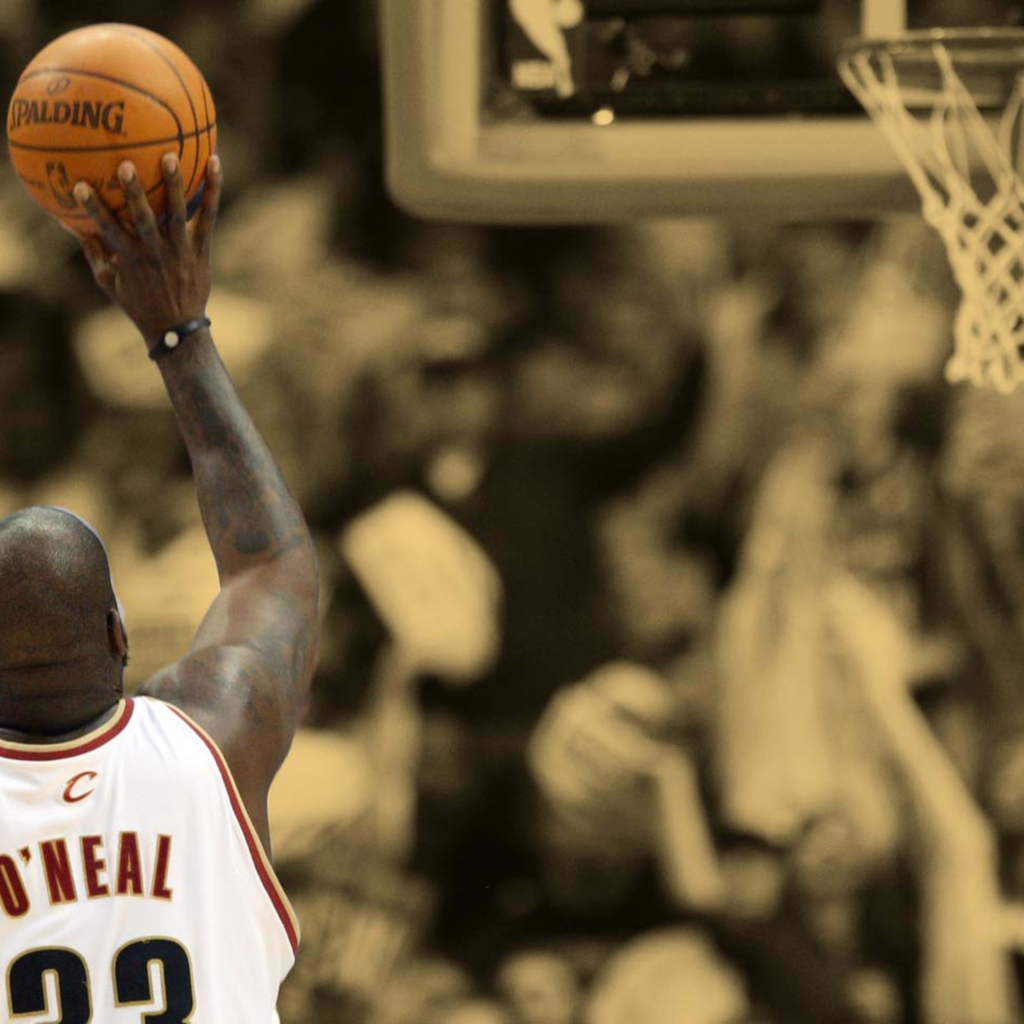
The “Hack-a-Shaq” strategy targeted Shaquille O’Neal, one of the most dominant players ever.
Why Coaches Used It
- Shaq was nearly unstoppable near the rim
- Free throws were his biggest weakness
- Slowing the game limited his impact
Why It Actually Worked
- Disrupted offensive rhythm
- Forced lineup changes
- Turned dominance into inefficiency
The strategy was so effective—and controversial—that the NBA later adjusted rules to discourage it.
Seven Seconds or Less: Speed Over Structure
For years, playoff basketball meant slow possessions and physical half-court play. Then the Phoenix Suns decided to sprint instead of grind.
What Made It Radical
- Shot attempts within seven seconds
- Minimal post-ups
- Constant motion and early attacks
Why It Worked
- Exhausted slower teams
- Increased total possessions
- Forced opponents to abandon comfort zones
Even teams that defeated this style eventually copied it.
Zone Defense in the NBA Playoffs
Zone defense was once dismissed as ineffective in the NBA. Shooters were too good. Spacing was too advanced.
Then teams like the Miami Heat began using zone not as a fallback—but as a primary playoff weapon.
Why It Worked
- Disrupted pick-and-roll timing
- Hid individual defensive weaknesses
- Forced offenses to think instead of react
Zone defense is now a staple in postseason basketball.
Letting the Worst Shooter Beat You—On Purpose
Sometimes, defense isn’t about stopping everyone. It’s about choosing who beats you.
Teams have intentionally left poor shooters open, daring them to take the biggest shots of their careers.
Why This Strategy Works
- Shooting percentages don’t improve under pressure
- Confidence gaps widen in clutch moments
- One miss can decide a season
It’s quiet, ruthless, and incredibly effective.
Positionless Basketball: Breaking the Mold
Traditional positions once defined roles strictly. Then teams started letting size dictate nothing.
Forwards initiated offense. Centers passed. Guards screened.
Why It Worked
- Created matchup chaos
- Forced constant switching
- Expanded offensive options
Positionless basketball is now the foundation of modern NBA systems.
Load Management: Winning by Sitting
Resting healthy players used to spark outrage. Now it’s accepted as strategy.
Teams realized:
- Fatigue leads to injuries
- Peak performance matters most in playoffs
- Long seasons require pacing
Though controversial, the results speak for themselves.
Intentionally Missing Free Throws—By Design
Missing a free throw sounds like failure—unless it’s planned.
Teams practice intentional misses to:
- Create tip-in chances
- Force scrambles
- Steal extra possessions
In late-game chaos, this tactic can flip outcomes instantly.
The Psychological Side of NBA Strategy
Not all strategies appear on a whiteboard.
Some are mental:
- Slowing tempo to frustrate fast teams
- Speeding up to exhaust methodical teams
- Repeatedly attacking one defender
Basketball is as much psychological warfare as physical execution.
Why These “Crazy” Strategies Worked
The common thread isn’t luck—it’s preparation.
These strategies succeeded because:
- Coaches understood personnel
- Timing was perfect
- Execution matched intent
- Opponents were unprepared
Bad ideas fail fast. Great ideas look obvious—after the fact.
How These Strategies Changed the Modern NBA
Today’s NBA is built on lessons from these moments:
- Small-ball lineups
- Defensive versatility
- Pace manipulation
- Matchup hunting
What was once mocked is now standard.
Practical Lessons for Fans and Coaches
Even outside the NBA, these ideas apply.
Strategic Takeaways
- Challenge assumptions
- Exploit tendencies
- Adapt quickly
- Be bold when necessary
Basketball rewards innovation.
Final Verdict: Genius Almost Always Looks Crazy First
Every strategy in this article shared one trait—it was doubted before it succeeded.
NBA history proves that innovation isn’t about comfort. It’s about conviction. The teams willing to risk ridicule are often the ones remembered forever.
Frequently Asked Questions (Trending Searches)
1. What is the most unusual NBA strategy that worked?
Ans. The box-and-one defense in the NBA Finals is among the most shocking examples.
2. Did small-ball really change the NBA?
Ans. Yes. It reshaped lineups, spacing, and defensive schemes league-wide.
3. Why did Hack-a-Shaq work?
Ans. It exploited a specific weakness and disrupted offensive rhythm.
4. Is zone defense effective in the NBA today?
Ans. Yes. When used strategically, it’s a powerful playoff tool.
5. Why do teams intentionally foul or miss free throws?
Ans. To control possessions, clock management, and rebound chances.
6. Which strategy influenced pace-and-space basketball?
Ans. The Suns’ Seven Seconds or Less offense laid the foundation.
7. Are unconventional strategies risky?
Ans. Yes—but calculated risks often create massive advantages.
8. Do mental strategies really matter?
Ans. Absolutely. Confidence and frustration often decide games.
9. Can these strategies work at lower levels?
Ans. Many principles translate well to college and youth basketball.
10. Will the NBA see more radical strategies in the future?
Ans. Almost certainly. Innovation in basketball is cyclical.