
 By Brandon Lewis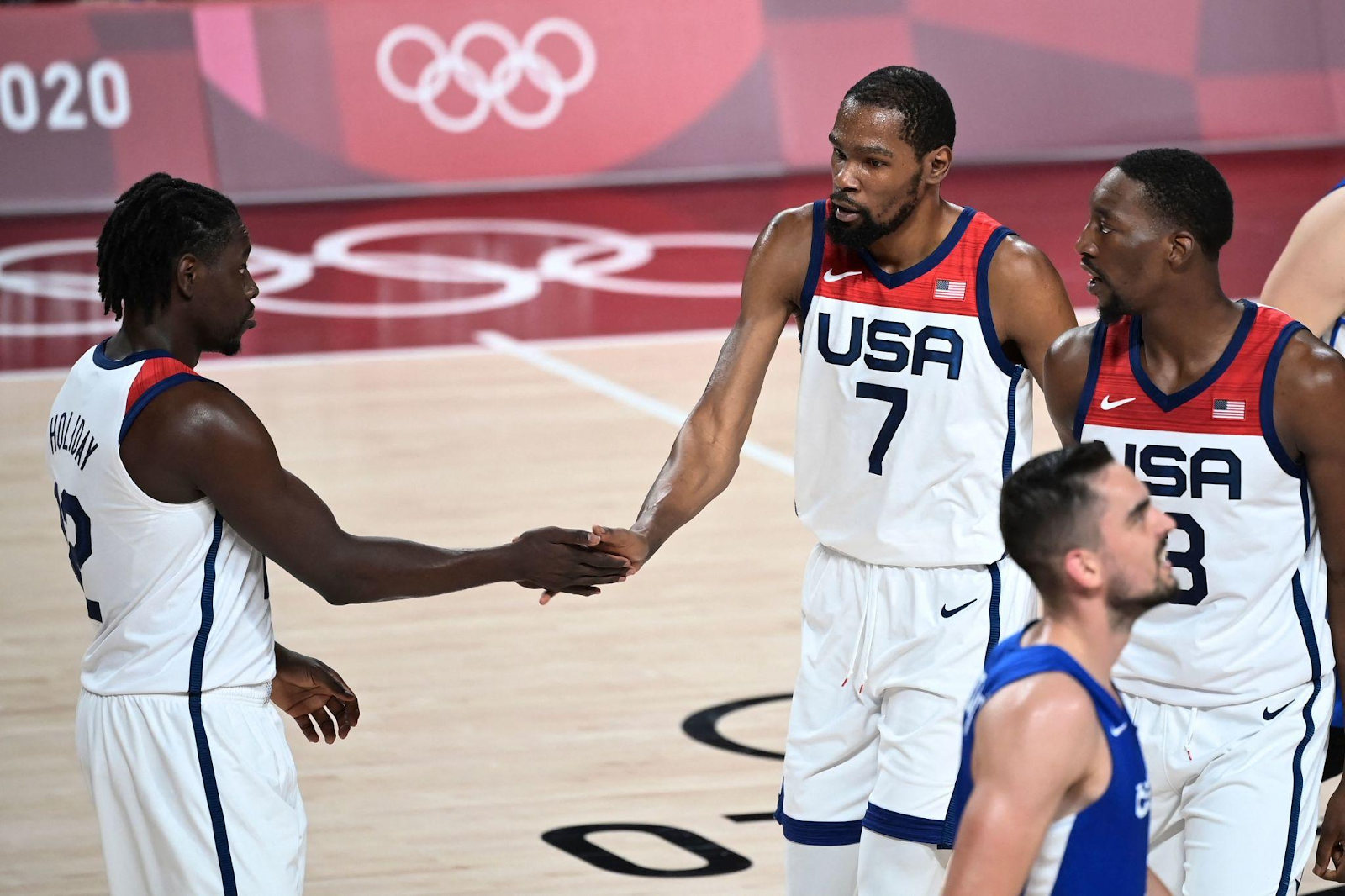
Team USA’s Olympic gold medal streak is under real threat—not because of declining talent, but because of a deeper structural weakness. As international basketball prioritizes continuity, chemistry, and system familiarity, Team USA’s late-assembly model faces growing risk. This in-depth analysis explains the hidden reason behind that vulnerability, why fans rarely notice it, and what must change to protect America’s Olympic dominance.
Introduction: Why the Biggest Threat Isn’t What Fans Expect
When Americans imagine Team USA losing Olympic gold, the usual explanations come quickly. Maybe injuries strike at the wrong time. Maybe a superstar withdraws. Maybe an opponent catches fire from three-point range.
Those explanations are comforting because they’re familiar—and visible.
But they miss the real danger.
The biggest threat to Team USA’s gold medal streak isn’t talent, effort, or star power. It’s something far quieter, far less dramatic, and far more decisive in international basketball: lack of continuity and shared system mastery.
For decades, USA Basketball could afford to assemble rosters late and trust brilliance to win out. That era is ending. The global game has evolved, and the margin for improvisation has evaporated.
Understanding Team USA’s Gold Medal Streak
Before exploring why the streak might end, it’s important to understand what’s at stake.
Team USA has won four consecutive Olympic gold medals in men’s basketball (2008, 2012, 2016, 2020). That dominance restored credibility after the 2004 disappointment and shaped an entire generation’s expectations.
Gold became the baseline. Anything less felt like failure.
But dominance has a downside: it can mask weaknesses. When wins keep coming, structural issues are easy to ignore—until they’re exposed in a single elimination game.
The Hidden Problem No One Talks About: Late Team Assembly
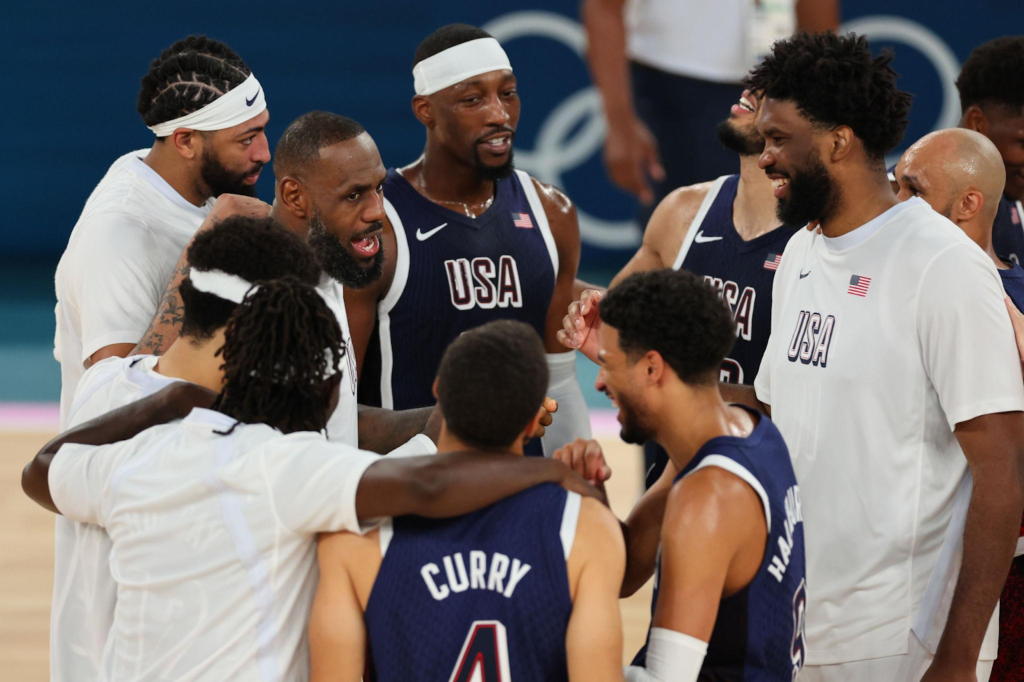
Here’s the uncomfortable truth: Team USA is still built like it’s 2008.
Players often commit:
- Months before the Olympics
- Sometimes weeks before training camp
- With minimal shared reps
Meanwhile, international teams operate on an entirely different timeline.
They:
- Train together year-round
- Retain core players across multiple tournaments
- Run the same systems for years
This isn’t about work ethic—it’s about institutional memory. When pressure hits, teams with shared habits react instinctively. Teams without them hesitate.
In Olympic basketball, hesitation is fatal.
Why Talent Alone Is No Longer Enough
For years, Team USA could overwhelm opponents physically and athletically. That gap is gone.
The modern international game now features:
- NBA MVPs and All-Stars from multiple countries
- Elite shooters at every position
- Sophisticated defensive schemes
When skill levels converge, outcomes hinge on execution. That’s where continuity matters most.
Basketball is a game of reads. Reads require familiarity. Familiarity requires time.
How International Teams Exploit This Weakness
Watch recent international tournaments closely and a pattern emerges.
When Team USA struggles, it’s rarely because shots don’t fall. It’s because:
- Defensive rotations arrive late
- Rebounding assignments break down
- Zone defenses disrupt rhythm
- Ball movement stalls into isolation
International teams thrive on exploiting hesitation. They force Team USA to think instead of react.
That’s the hidden cost of limited preparation.
Why Short Tournaments Magnify Every Flaw
NBA teams get seven-game series. Olympic teams get one chance.
Single-elimination formats punish:
- Poor communication
- Unclear roles
- Defensive confusion
There’s no time to “build chemistry on the fly.” Every possession matters. Every misread is magnified.
Teams with continuity have already solved these problems in practice. Teams assembled late are solving them live—under global pressure.
The Role Acceptance Issue Fans Rarely See
Another quiet vulnerability: role adjustment.
NBA stars are used to:
- High usage
- Offensive freedom
- Systems built around their strengths
On Team USA, those roles compress instantly.
Players must:
- Defend more than score
- Share the ball constantly
- Accept fewer shots
When role clarity isn’t established early, hesitation creeps in. That hesitation doesn’t show up on highlight reels—but it decides tight games.
Coaching Isn’t the Problem—Time Is
Criticism often falls on coaching, but that misses the point.
Even elite coaches can’t:
- Install advanced defensive schemes
- Build automatic communication
- Create deep trust
In two weeks.
International coaches benefit from years of repetition with the same core group. Team USA’s coaches fight the calendar, not the playbook.
The Psychological Weight of Being “The Favorite”
Another hidden factor: pressure.
Team USA doesn’t play to win—it plays to avoid embarrassment.
That burden affects decision-making. International teams play loose. Team USA plays tight, knowing that anything short of gold will be framed as failure.
Pressure amplifies chemistry issues. When adversity hits, teams with shared history respond calmly. Teams with shared talent often press.
Why This Problem Keeps Reappearing
If continuity is such a clear advantage, why hasn’t Team USA fully addressed it?
Because success delays reform.
Gold medals in 2016 and 2020 reinforced the belief that:
- Talent will eventually prevail
- Preparation models don’t need drastic change
- Close calls are acceptable
But the trend is unmistakable: margins are shrinking. Each cycle requires more effort to achieve the same result.
What Would Actually Protect the Gold Medal Streak?
The solution isn’t more stars. It’s earlier and longer commitment.
What needs to change:
- Earlier roster commitments
- Extended shared training windows
- Clear role definitions before competition
- Defense-first identity
- FIBA-specific preparation
These adjustments don’t weaken Team USA—they unlock its full potential.
Why Fans Rarely See This Coming
Fans focus on points, dunks, and scoring runs. Continuity problems live in the margins.
Chemistry issues:
- Don’t trend on social media
- Don’t dominate box scores
- Only matter late
By the time fans notice, it’s often too late.
International coaches, however, design entire game plans around exploiting these cracks.
Can Team USA Still Win Gold? Absolutely.
This isn’t a prediction of collapse.
Team USA still has:
- The deepest talent pool in the world
- Elite coaching resources
- The ability to adapt faster than most teams
But the risk profile has changed. Dominance now requires intentional design, not assumption.
The Bigger Picture: Basketball’s Global Evolution
Team USA isn’t getting worse.
The rest of the world is getting smarter.
Basketball has evolved into a game where:
- Systems beat improvisation
- Trust beats flash
- Preparation beats reputation
Understanding that reality is the key to preserving the gold medal streak.
Practical Takeaways for Fans
What to watch for going forward:
- How early players commit
- Length of training camps
- Defensive communication
- Rebounding effort
- Comfort against zone defenses
Those details—not star count—decide Olympic outcomes now.
Frequently Asked Questions (SEO-Optimized)
1. What is the hidden reason Team USA might lose its gold medal streak?
Ans. A lack of long-term continuity and shared system familiarity compared to international teams.
2. Is Team USA less talented than before?
Ans. No. Talent remains unmatched; the issue is chemistry and preparation.
3. Have international teams caught up to Team USA?
Ans. Yes. They now match skill levels and exceed continuity and cohesion.
4. Why does continuity matter so much in the Olympics?
Ans. Single-elimination formats punish teams without strong communication habits.
5. Is coaching the main problem?
Ans. No. Limited preparation time is the primary challenge.
6. Does this mean Team USA will lose gold?
Ans. Not necessarily, but the risk is higher than in past decades.
7. Why don’t fans notice this issue earlier?
Ans. Chemistry problems are subtle until pressure moments expose them.
8. Can Team USA fix this vulnerability?
Ans. Yes, by prioritizing early commitments and longer preparation periods.
9. Has this issue appeared in recent tournaments?
Ans. Yes, particularly in recent World Cups and close Olympic games.
10. What is the key to protecting the gold medal streak?
Ans. Prioritizing continuity and system mastery over late roster assembly.
Final Takeaway: Dominance Must Now Be Engineered
Team USA’s gold medal streak isn’t endangered by a lack of stars.
It’s threatened by a structural gap between how America prepares and how the rest of the world competes.
Recognizing the hidden reason behind that gap isn’t pessimism—it’s progress.
Because in modern Olympic basketball, dominance isn’t inherited. It’s built.