
 By Brandon Lewis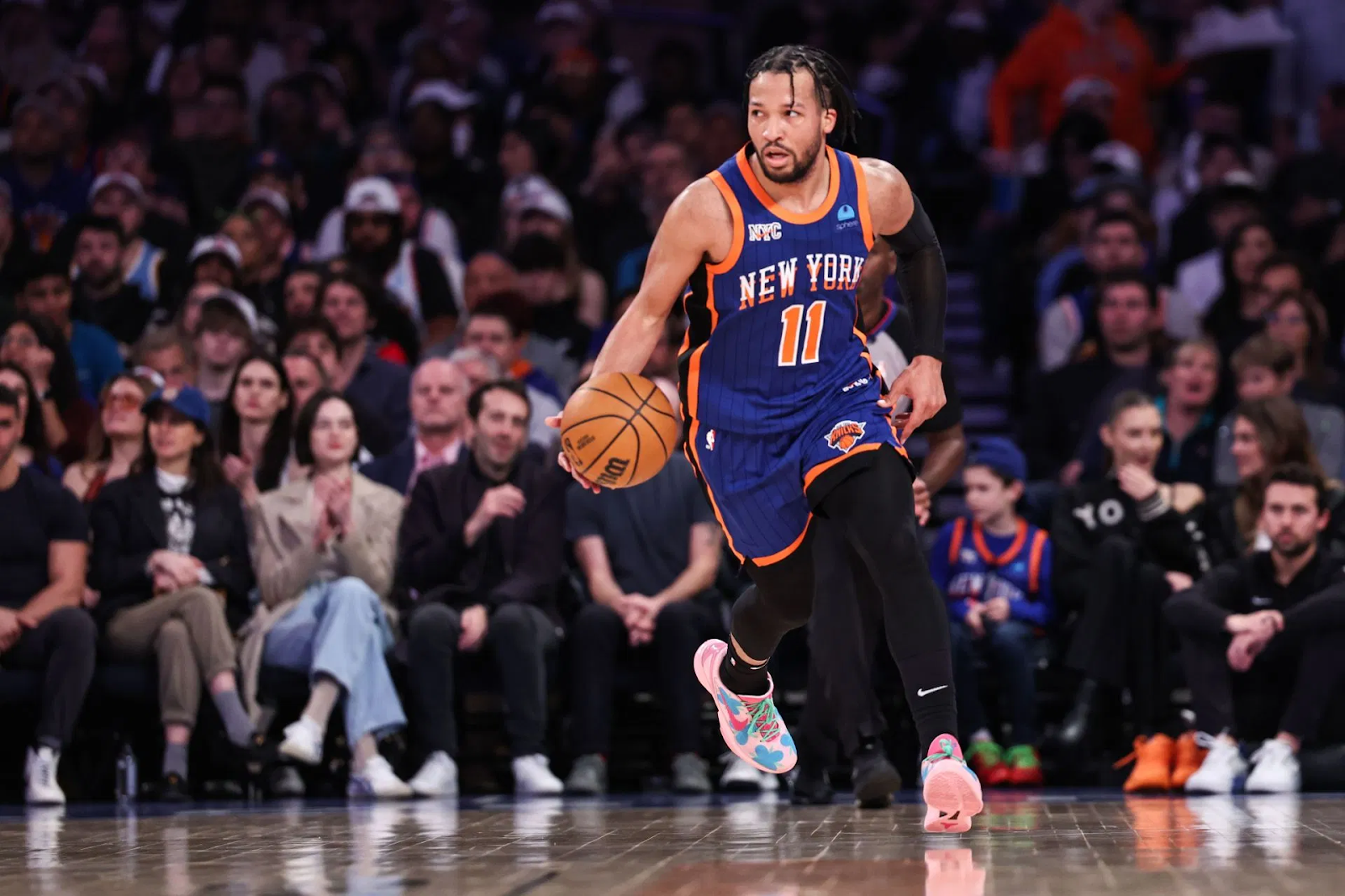
One of the most polarizing moments in modern basketball discourse is when a superstar fails to make Team USA. This in-depth analysis explores why a high-profile NBA player was controversially cut from USA Basketball, examining roster construction, international rules, coaching philosophy, defensive metrics, and real-world examples to reveal how Team USA prioritizes fit over fame.
Introduction: When a Superstar Gets Left Behind
Every Team USA roster announcement brings excitement—until it doesn’t.
When the final list drops and a household NBA name is missing, outrage follows. Social media erupts, sports radio explodes, and fans ask the same question over and over: How does a player this good not make USA Basketball?
The controversy surrounding USA Basketball selections isn’t new, but it has intensified in the modern era of player empowerment, advanced analytics, and 24/7 digital debate. In today’s NBA culture, where individual stardom often overshadows team structure, roster cuts feel personal—almost political.
But Team USA doesn’t build teams to win debates. It builds teams to win gold medals.
This article breaks down why a star player—using real-world examples—didn’t make the roster, what fans often misunderstand about international basketball, and how these controversial cuts actually reveal the blueprint behind Team USA’s success.
The Player at the Center of the Controversy
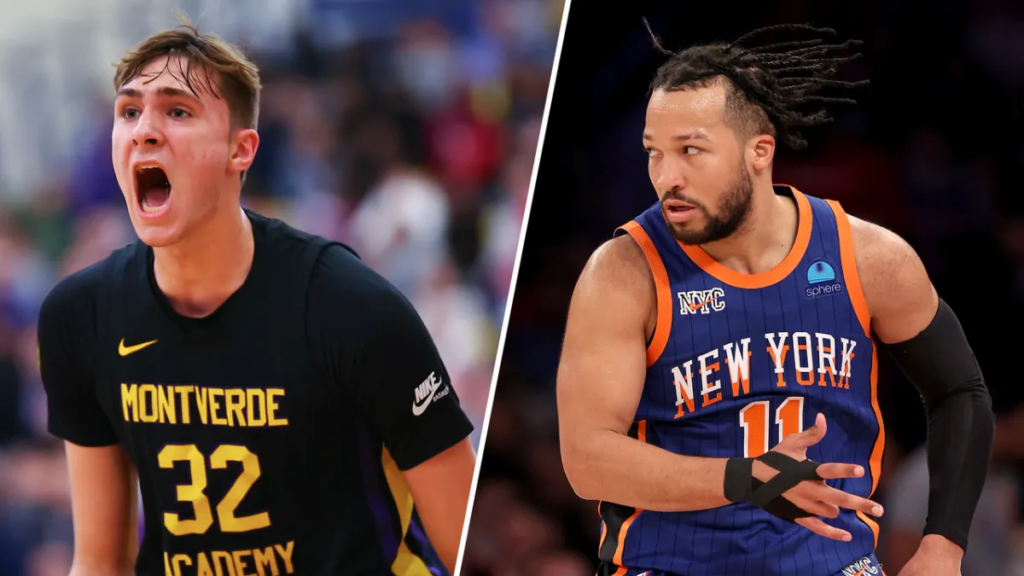
Few omissions generated as much discussion as the absence of Trae Young from recent Team USA consideration cycles.
From a purely NBA perspective, the confusion is understandable. Young is one of the league’s most productive offensive engines—elite passer, deep-range shooter, and a proven playoff performer. On paper, he looks like a lock.
Yet Team USA evaluators didn’t see a puzzle piece that fit.
This wasn’t a statement on his talent. It was a statement on role compatibility.
Why International Basketball Is a Different Sport
FIBA Rules Change Everything
Most fans evaluate players through an NBA lens. Team USA does not.
International competition—particularly under FIBA Basketball World Cup rules—fundamentally alters the game:
- The court is smaller
- Defensive help arrives faster
- Physicality is more tolerated
- The game flows continuously
- There is less isolation basketball
In this environment, defensive weaknesses are magnified and ball-dominant tendencies become liabilities.
A guard who thrives in spread pick-and-roll situations may suddenly find himself crowded, targeted defensively, and forced to contribute without the ball.
This is where many fans—and media narratives—miss the point.
The Fit Over Fame Philosophy
Team USA roster construction revolves around complementary skill sets, not star hierarchy.
The selection committee asks difficult questions:
- Can this player defend multiple positions?
- Can they impact the game without dominating the ball?
- Will they accept a reduced role?
- Can they survive being hunted on defense?
If the answer is “no” to too many of those questions, the résumé doesn’t matter.
This is why Team USA often prefers players who, in the NBA, are considered secondary options—but internationally become invaluable.
Defense: The Non-Negotiable Skill
Defense is the single biggest separator in controversial Team USA cuts.
International teams ruthlessly target defensive mismatches. Smaller guards, limited wingspans, and slow lateral defenders are exposed immediately.
In recent tournaments, Team USA’s struggles often traced back to point-of-attack defense, not scoring droughts. As a result, selectors shifted priorities toward guards who can:
- Fight over screens
- Switch onto wings
- Apply ball pressure
- Recover quickly in rotation
This defensive emphasis explains why some prolific scorers are passed over in favor of two-way contributors.
Coaching Philosophy and System Buy-In
When coaches like Steve Kerr help shape Team USA rosters, they bring system basketball principles with them.
Kerr values:
- Ball movement
- Defensive communication
- Off-ball spacing
- Quick decision-making
International basketball doesn’t allow for prolonged experimentation. Coaches have limited practice time and must rely on players who can plug into systems instantly.
A player unwilling—or unable—to simplify their game becomes a risk.
The Importance of Role Acceptance
One of the hardest adjustments for NBA stars is accepting less.
On Team USA:
- Minutes fluctuate
- Usage drops
- Shots aren’t guaranteed
- Defense earns trust faster than offense
Players who understand this thrive. Those who expect NBA-level freedom often struggle.
This is not about ego—it’s about chemistry. Coaches prioritize players who embrace their role, even if it means standing in the corner, defending the opposing team’s best scorer, or playing just eight minutes a night.
Availability, Timing, and Camp Performance
Another overlooked factor is availability.
Selection camps matter more than fans realize. Players who:
- Arrive late due to playoff runs
- Miss practices
- Deal with lingering injuries
…often fall behind those who show up early and fully commit.
International success depends on chemistry built quickly. Players who participate from Day One naturally earn trust.
Sometimes, the “controversial cut” is simply the result of timing.
Media Narratives vs. Basketball Reality
Modern sports discourse thrives on outrage.
Headlines like “Team USA Snubs Superstar” drive clicks—but rarely explain context. Fans see box scores. Coaches see rotations, defensive assignments, and five-minute stretches where games are won or lost.
The gap between public perception and internal evaluation is wide—and that gap fuels controversy.
Data, Analytics, and Hidden Evaluation Metrics
While Team USA doesn’t publicly release internal grades, selection decisions often reference:
- Defensive matchup data
- Turnover rates under pressure
- Off-ball shooting efficiency
- Lineup plus-minus in short stints
International games swing on small margins. One defensive breakdown can erase a 10-point lead.
Selectors choose players who minimize risk.
What This Means for the Player’s Future
A Team USA cut is not a career verdict.
Many players return stronger after addressing the exact weaknesses that kept them off the roster. Improved defense, physicality, and adaptability can quickly change perception.
In fact, some of Team USA’s most trusted contributors were once controversial omissions themselves.
The message is clear: international basketball rewards evolution.
Key Takeaways for Fans
- Team USA builds for international rules—not NBA highlights
- Defense and versatility matter more than scoring volume
- Fit, chemistry, and role acceptance drive selections
- Media outrage rarely reflects internal evaluation
- A cut today doesn’t close the door tomorrow
Frequently Asked Questions (FAQ)
1. Why didn’t this player make USA Basketball?
Ans. Because Team USA prioritizes defensive fit, off-ball value, availability, and role acceptance over individual scoring ability.
2. Is defense really more important than offense in international play?
Ans. Yes. FIBA rules amplify defensive weaknesses and reward versatility and physicality.
3. Do NBA All-Stars automatically make Team USA?
Ans. No. Selection depends on fit, timing, and system compatibility, not accolades.
4. Did coaching bias influence the roster decision?
Ans. Coaches apply system principles. Preferences are based on scheme execution, not favoritism.
5. How important is selection camp performance?
Ans. Extremely important. Early availability and strong two-way play often decide final spots.
6. Can a cut player return to Team USA later?
Ans. Absolutely. Many players rejoin after improving defense or adapting their game.
7. Why do fans react so strongly to these cuts?
Ans. Fans focus on NBA scoring, while selectors focus on possession-by-possession impact.
8. Does international basketball favor different positions?
Ans. It favors versatile wings, defensive guards, and bigs who pass and protect the rim.
9. Are analytics used in Team USA selections?
Ans. Yes. Defensive metrics, lineup efficiency, and turnover data are all considered.
10. What’s the biggest misconception about USA Basketball cuts?
Ans. That the “best players” always make the team—when in reality, the best combination does.
Final Thoughts
“The Controversial Cut” isn’t a scandal—it’s a window into how elite basketball decisions are made. Team USA isn’t chasing star power. It’s chasing cohesion, defense, and adaptability.
When a superstar is left home, it’s not disrespect—it’s strategy.
And more often than not, it works.