
 By Hannah Wright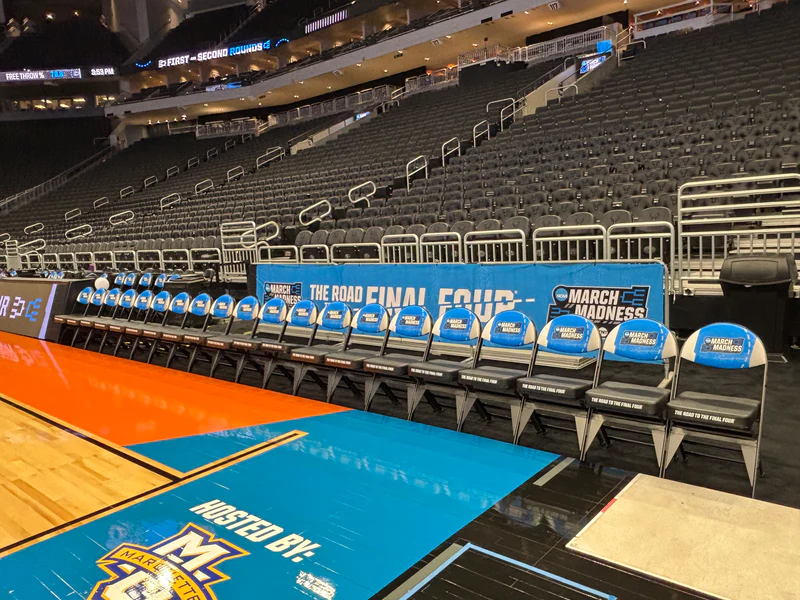
March Madness is college basketball’s grandest stage, yet more elite players than ever are missing it. Injuries, NBA Draft pressure, NIL money, transfers, and burnout have reshaped priorities. This in-depth analysis reveals the brutal truth behind why college stars skip the tournament, how the system incentivizes it, and what it means for the future of March Madness.
Introduction: When the Brightest Stage Has Empty Spots
March Madness has always been sacred. For generations of fans, it represented everything college basketball stood for—heart, loyalty, drama, and unforgettable moments. Players built legacies in March. Coaches cemented careers. Fans planned entire weeks around tip-off times.
Yet today, something unsettling keeps happening.
Every tournament, fans tune in only to notice that one of the season’s biggest stars is missing. The questions come fast:
“Is he injured?”
“Did he quit?”
“Why wouldn’t he play when it matters most?”
The uncomfortable answer is this: skipping March Madness is no longer an exception—it’s becoming a rational decision in modern college basketball.
To understand why, you have to look beyond the bracket and into the economic, medical, and emotional realities players face.
Why Are More College Players Skipping March Madness?
College basketball no longer operates in the world fans grew up with.
Today’s elite college player is:
- A potential NBA Draft asset
- A personal brand with NIL earnings
- A short-term employee in a high-risk system
Under the structure governed by the NCAA, players generate massive revenue—but absorb nearly all the physical risk themselves.
That imbalance has consequences.
Injury Risk: The Most Obvious — and Most Serious — Reason
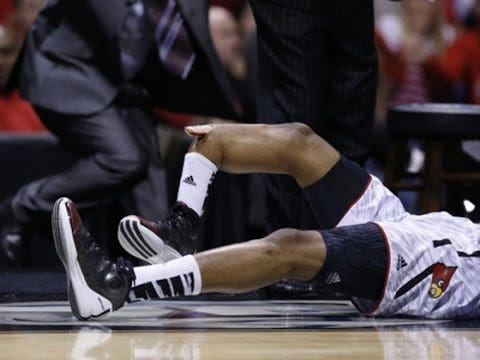
Injury remains the most common reason players miss March Madness, and it’s also the most devastating.
One awkward landing in March can:
- Destroy NBA Draft stock
- Delay a professional career
- Create long-term health issues
Real-life reality:
NBA scouts don’t forget injuries. Even a “minor” postseason injury can cause teams to hesitate, pushing a player down draft boards and costing millions.
In previous eras, players were celebrated for playing through pain. Today, that same decision is often labeled irresponsible.
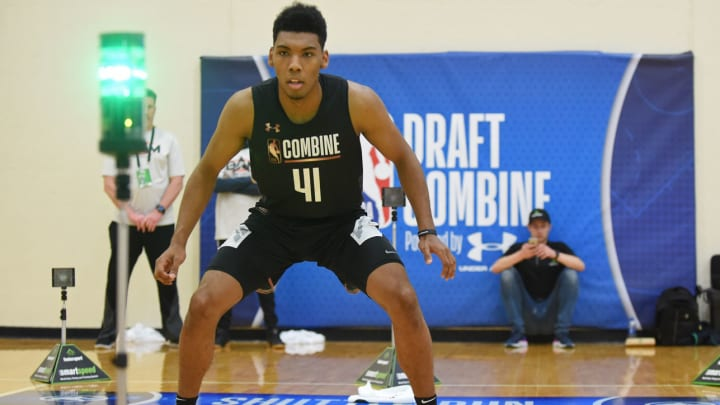
NBA Draft Pressure: March Madness Is No Longer the Ultimate Showcase
For decades, March Madness was a launching pad. Today, NBA teams evaluate players long before Selection Sunday.
NBA front offices rely on:
- Full-season film
- Advanced analytics
- Private workouts
- Medical evaluations
For projected lottery picks, March Madness represents risk without reward. If your draft position is already secure, why gamble it on a short tournament run?
That calculation is cold—but rational.
NIL Money Changed the Incentives Completely
The rise of Name, Image, and Likeness (NIL) deals has altered college basketball more than any rule change in decades.
Many elite players now earn:
- Six-figure endorsement deals
- Long-term sponsorship income
- Financial security before turning pro
For some, NIL earnings rival or exceed late first-round NBA contracts. That reality changes everything.
March Madness is no longer the only—or even the primary—financial opportunity.
Transfers and Strategic Shutdowns
Another factor fans often overlook: many players skipping March are already planning their next move.
With the transfer portal normalized, players may:
- Shut down late in the season
- Preserve health
- Prepare for a new program or professional path
This isn’t about lack of competitiveness. It’s about leverage in a system that rewards individual mobility.
Burnout: The Hidden Reason Nobody Talks About
Beyond money and injuries lies something harder to quantify—mental exhaustion.
College basketball seasons are brutal:
- Long travel schedules
- Academic responsibilities
- Media scrutiny
- Online criticism
By March, some players are simply worn down. Sitting out isn’t weakness—it’s self-preservation.
What Fans Don’t See Behind the Scenes
From the outside, skipping March Madness looks sudden. Inside the program, these decisions are rarely impulsive.
They often involve:
- Doctors recommending rest
- Family discussions about long-term health
- Agent advice focused on career longevity
March Madness may feel sacred to fans, but players live with consequences long after the nets are cut down.
Coaches Are Trapped in the Middle
Coaches face an impossible dilemma:
- Push players to compete
- Protect player health
- Preserve recruiting credibility
Forcing an injured or draft-bound player to return can destroy trust—and future recruiting pipelines. Quietly, many coaches now support player shutdowns even if it costs wins.
Is Skipping March Madness “Quitting”?
This is the most emotional question fans ask.
From a fan’s perspective:
- March Madness is the payoff
- Commitment defines greatness
- Stars owe the game something
From a player’s perspective:
- Careers are short
- Bodies are fragile
- Financial windows are narrow
Both views are understandable—and deeply opposed.
The Brutal Truth Nobody Wants to Admit
Here’s the uncomfortable reality:
March Madness generates billions, but players absorb almost all the risk.
The tournament fuels:
- Television contracts
- Coaching bonuses
- University branding
Players risk injuries that can follow them for life—with no guaranteed compensation if things go wrong.
Then vs. Now: Why the Shift Feels So Jarring
Decades ago:
- Players stayed three or four years
- NBA entry was uncertain
- Loyalty was rewarded
Today:
- One season can be enough
- NBA pathways are clearer
- Risk tolerance is lower
Skipping March Madness reflects modern incentives—not moral decline.
The Players Who Played Hurt — and Paid the Price
History is filled with players who gutted through March only to suffer lasting consequences.
Fans remember the toughness. Players live with the pain.
Those stories echo in locker rooms every year.
What This Means for the Future of March Madness
If trends continue, March Madness may increasingly feature:
- Younger rosters
- Role players over stars
- Teams missing their biggest names
The drama will remain—but the identities may change.
Can College Basketball Fix This Problem?
Potential solutions discussed by analysts include:
- Stronger insurance protections
- Expanded revenue sharing
- Medical guarantees for injured players
Until risk and reward align more fairly, players will continue making decisions fans struggle to accept.
Practical Takeaways for Fans
Understanding doesn’t mean approving—but it helps.
What Fans Should Remember
- Players aren’t villains
- Decisions are rarely impulsive
- Long-term health matters
- The system shapes behavior
Blaming individuals is easier than confronting structural reality.
Final Verdict: The Truth Fans Don’t Want to Hear
College players skipping March Madness aren’t destroying the game.
They’re responding logically to it.
The brutal truth is that March Madness, as magical as it remains, asks players to risk everything for a moment that benefits everyone else more than it benefits them.
Until that changes, some stars will continue watching March from the sidelines.
Frequently Asked Questions (Trending Searches)
1. Why do college players skip March Madness?
Ans. Common reasons include injury risk, NBA Draft preparation, NIL income, transfers, and long-term career planning.
2. Is this trend becoming more common?
Ans. Yes. Structural changes in college basketball have normalized sitting out.
3. Do players sit out to protect NBA Draft stock?
Ans. Frequently. A single injury or poor tournament showing can significantly affect draft position.
4. How does NIL money affect these decisions?
Ans. Financial security reduces the urgency to risk health in March.
5. Is skipping March Madness considered quitting?
Ans. Fans may see it that way, but players often view it as career preservation.
6. Do coaches support players who sit out?
Ans. Many do, especially when medical advice or professional futures are involved.
7. Did this happen in past eras?
Ans. Rarely. The trend has grown rapidly in the NIL and transfer era.
8. Does this hurt March Madness ratings?
Ans. Not significantly yet, but repeated star absences could impact long-term interest.
9. Can the NCAA stop players from sitting out?
Ans. No. Player autonomy and medical decisions limit enforcement.
10. Will more players skip March Madness in the future?
Ans. Unless risk-reward dynamics change, the trend is likely to grow.