
 By Brandon Lewis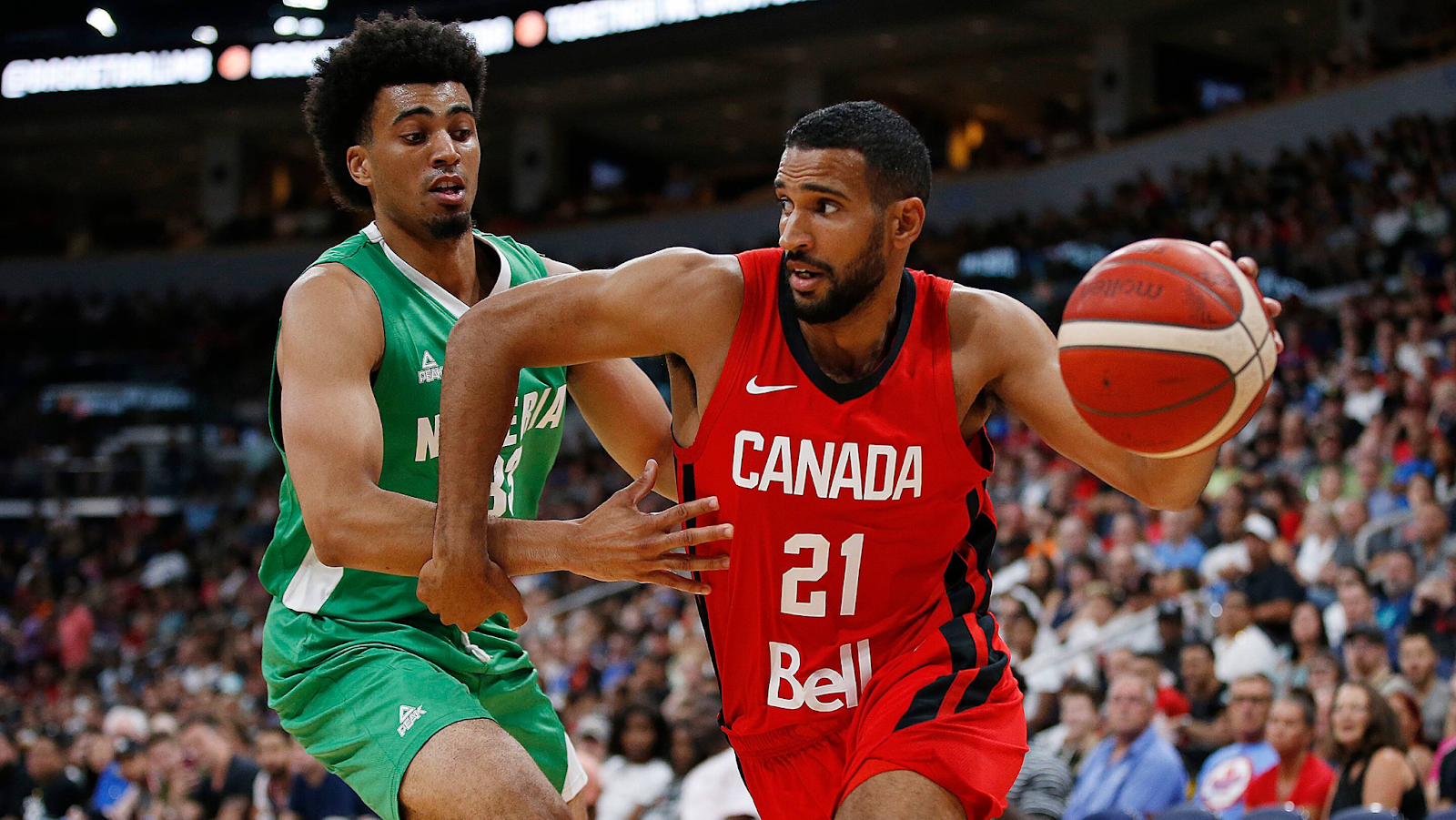
One overlooked FIBA rule has quietly disrupted NBA stars on the international stage. While fans blame effort or coaching, the real issue lies in a fundamental rule difference that rewires instincts developed over entire careers. This in-depth article reveals the exact FIBA rule shocking NBA players, why it matters so much, and how it’s reshaping global basketball outcomes.
Introduction: When NBA Superstars Suddenly Look Human
Every time NBA players step onto an international court, expectations skyrocket. Bigger, faster, stronger—NBA talent is supposed to dominate anywhere in the world.
Yet fans keep witnessing something unexpected.
NBA stars hesitate.
Defenders pull back at the rim.
Easy plays turn into costly mistakes.
Social media explodes with criticism. Analysts question effort. Fans accuse players of choking.
But the truth is far less dramatic—and far more revealing.
One FIBA rule, largely invisible to casual viewers, fundamentally changes how basketball is played. It doesn’t just affect one play here or there. It disrupts instincts NBA players have built since childhood.
And yes—this is the rule that has NBA players genuinely freaking out.
The Exact FIBA Rule Causing the Shock
Let’s remove the mystery.
The rule that causes the most confusion, hesitation, and frustration among NBA players is:
The FIBA Ball-on-the-Rim (Goaltending) Rule
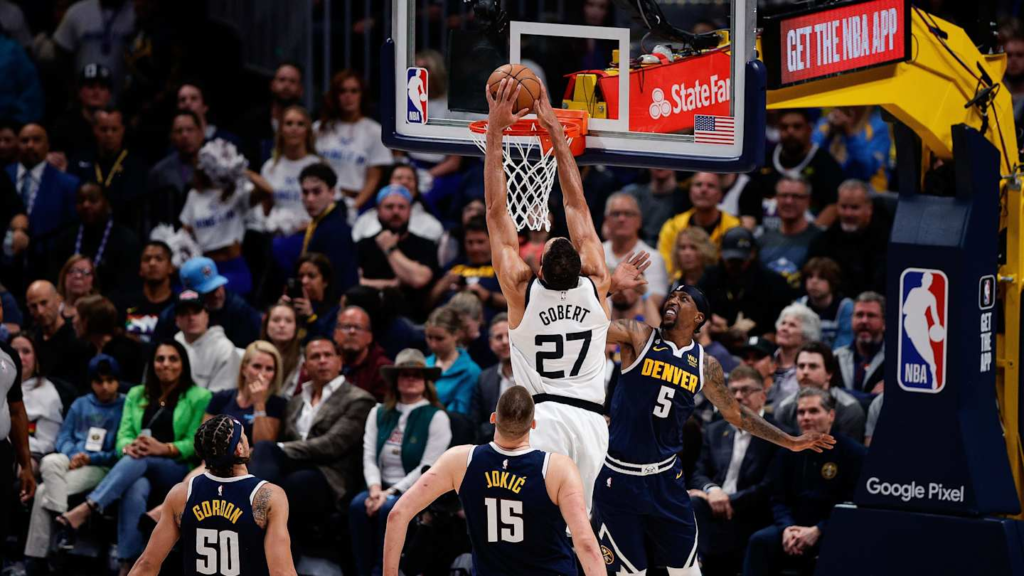
Under FIBA rules, once the ball touches the rim, it becomes live. Any player—offense or defense—can touch it.
Under NBA rules, touching that same ball is automatic goaltending.
One rule. Two worlds. Completely different instincts.
Why This Rule Feels So Unnatural to NBA Players
NBA players are trained with one absolute principle:
Never touch the ball once it hits the rim.
From youth leagues to the NBA Finals, that instinct is reinforced daily. Violating it means giving up points, fouls, or momentum.
So when NBA players enter FIBA competition, their minds are fighting decades of muscle memory.
They must instantly unlearn what once defined elite defense.
That’s not easy—even for superstars.
A Real-Life Example Fans Keep Misreading
During recent FIBA tournaments, fans noticed NBA defenders standing still as the ball bounced on the rim—only for international players to tip it in.
The reaction online was brutal:
- “Zero effort.”
- “How do you not block that?”
- “That’s basic basketball.”
Except it isn’t—in the NBA.
Those moments weren’t laziness. They were hesitation born from conflicting rulebooks.
How One Rule Changes the Entire Flow of the Game
This rule doesn’t just affect highlights. It alters strategy, positioning, and momentum.
Immediate Effects on NBA Players
- Shot-blockers hesitate instead of attacking
- Defenders lose rebounding position
- Second-chance points increase dramatically
- Late-game possessions become chaotic
In international play, a single rim touch can decide a medal.
Why International Players Thrive
International players grow up under FIBA rules. They’re trained to:
- Attack every shot
- Expect the ball to remain live
- Treat the rim as fair game
For them, this chaos is opportunity.
Why Fans Think NBA Players Are “Soft”
This misunderstanding fuels outrage.
American fans, used to NBA rules, often mistake hesitation for lack of toughness. But what they’re really seeing is instinct conflict.
NBA players are processing a rule change in real time—during high-pressure games—against opponents who’ve trained for it their entire lives.
That’s not softness.
That’s adaptation under fire.
The Psychological Toll: Playing Against Your Own Instincts
Imagine being punished for doing what made you elite.
That’s the reality for NBA players in FIBA competition.
They must:
- Override automatic reactions
- Reprocess defense mid-play
- Make split-second decisions under pressure
Sports psychologists agree: unlearning reflexes is harder than learning new skills.
Why This Rule Matters More Than Any Other Difference
FIBA and NBA basketball differ in many ways—but none impact outcomes like the rim rule.
It directly influences:
- Defensive confidence
- Rebounding battles
- Momentum swings
- Late-game execution
In close games, it’s often the difference between winning and watching from the sidelines.
Is This Rule the Main Reason Team USA Struggles?
It’s not the only reason—but it’s a massive one.
Team USA’s recent international losses often feature:
- Poor rebounding margins
- Second-chance points allowed
- Hesitation at the rim
These aren’t random issues. They’re symptoms of rule unfamiliarity.
International teams don’t beat Team USA by being more athletic.
They beat them by being more prepared.
Other FIBA Rules That Compound the Problem
While the rim rule is the biggest shock, several others add to the adjustment burden:
- No defensive three-second violations
- More physical off-ball defense
- Shorter three-point line
- Faster whistles on movement
Combined, they create a game that looks familiar—but plays very differently.
Why FIBA Won’t—and Shouldn’t—Change This Rule
From FIBA’s perspective, the rule works.
It encourages:
- Continuous play
- Aggressive rebounding
- Hustle over hesitation
- Fewer stoppages
Globally, it produces exciting, fast-paced basketball.
The rule isn’t flawed.
Preparation is.
How NBA Players Can Adapt (And Some Already Have)
Players with repeated international experience adjust noticeably faster.
They learn to:
- Treat every shot as live
- Attack the rim instinctively
- Anticipate chaos instead of avoiding it
This is why veterans with FIBA exposure often outperform younger NBA stars overseas.
What This Means for the Future of USA Basketball
If the goal is consistent international dominance, adaptation must start earlier.
That means:
- Teaching FIBA rules at youth levels
- Valuing international experience in roster selection
- Training instincts—not just skill
- Building continuity over quick talent assembly
Talent alone is no longer enough.
What Fans Should Take Away From This
Once you understand this rule, international basketball suddenly makes sense.
- Hesitation ≠ lack of effort
- Confusion ≠ bad coaching
- Struggles ≠ decline
They’re signals of a different game being played.
Frequently Asked Questions (Trending Searches)
1. What is the FIBA rule that confuses NBA players the most?
Ans. The ball-on-the-rim rule, which allows players to touch the ball once it hits the rim.
2. Why can FIBA players touch the ball on the rim?
Ans. FIBA treats the ball as live after it contacts the rim, promoting continuous play.
3. Is goaltending different in FIBA and the NBA?
Ans. Yes. In the NBA it’s illegal; in FIBA it’s completely legal.
4. Does this rule hurt Team USA in tournaments?
Ans. Yes, especially against teams trained under FIBA rules from youth levels.
5. Why don’t NBA players adjust instantly?
Ans. Because instincts built over decades are extremely difficult to override in live competition.
6. Do international players have an advantage because of this rule?
Ans. Absolutely. Familiarity creates a major edge in close games.
7. Has this rule decided actual games?
Ans. Yes. Many FIBA games swing on legal tip-ins and rim touches.
8. Will the NBA ever adopt this rule?
Ans. Highly unlikely, as it would fundamentally alter NBA defensive philosophy.
9. Is the FIBA rim rule unfair?
Ans. No. It’s simply different—and fairness depends on preparation.
10. What’s the biggest lesson from this rule difference?
Ans. Basketball dominance now requires adaptation, not just athletic superiority.
Final Verdict: One Rule, Massive Consequences
The FIBA ball-on-the-rim rule isn’t a loophole or gimmick. It’s a defining feature of international basketball that exposes how deeply rules shape performance.
NBA players aren’t freaking out because they’re unprepared—they’re adjusting to a version of the game that demands new instincts.
And until those instincts fully evolve, international basketball will remain unpredictable, emotional, and endlessly fascinating.