
 By Jonathan Reed
Basketball’s global rise has transformed it from a sport into a cultural force, but that growth has sparked a growing backlash. Critics argue overexposure, commercialization, social-media obsession, and youth burnout are changing the game’s soul. This in-depth article examines whether basketball’s explosive popularity is strengthening the sport—or quietly undermining what once made it special.
Introduction: When a Game Becomes a Cultural Powerhouse
Basketball is no longer confined to arenas and television screens. It lives on smartphones, dominates fashion runways, shapes music videos, and fuels nonstop debate across social media. For millions, basketball is not just something you watch—it’s something you identify with.
At the center of this expansion stands the NBA, which has successfully turned basketball into one of the most influential global sports brands in history. Players are cultural icons. Highlights are viral currency. Jerseys and sneakers double as lifestyle statements.
Yet with this unprecedented popularity comes an uncomfortable question that fans, parents, coaches, and former players are increasingly asking:
Is basketball becoming too popular for its own good?
The cultural backlash surrounding basketball isn’t driven by hatred for the sport. It’s driven by concern—concern that unchecked growth may be changing the very essence of the game.
How Basketball Reached This Level of Popularity
Basketball’s rise wasn’t accidental. It was perfectly aligned with modern culture.
Several factors fueled its explosion:
- Global media reach and digital streaming
- Superstar-driven storytelling
- The rise of social media highlights
- Low barrier to entry (one hoop, one ball)
- Deep connections to music, fashion, and youth identity
Real-life example:
A teenager in Europe, Africa, or Asia can watch the same highlight, buy the same sneakers, and mimic the same moves as a kid in New York or Los Angeles—instantly. No other sport integrates culture at that speed.
Basketball didn’t just grow—it spread.
When Popularity Turns Into Overexposure
With growth comes saturation.
Basketball is now:
- Played and discussed year-round
- Split across multiple leagues and formats
- Constantly debated on social platforms
- Surrounded by endless commentary and controversy
For longtime fans, this constant presence creates emotional fatigue. When every game, dunk, and quote is treated as a “moment,” the truly special moments lose their weight.
Overexposure doesn’t kill interest—but it can dull passion.
Is Basketball Losing Its Sense of Occasion?
Older fans often point to a missing feeling: anticipation.
In previous eras:
- Big games felt rare
- Rivalries developed slowly
- Stars stayed with teams longer
Today:
- Player movement resets narratives constantly
- Load management reduces nightly stakes
- Regular-season games blur together
Basketball is more available than ever—but some argue it feels less meaningful on a night-to-night basis.
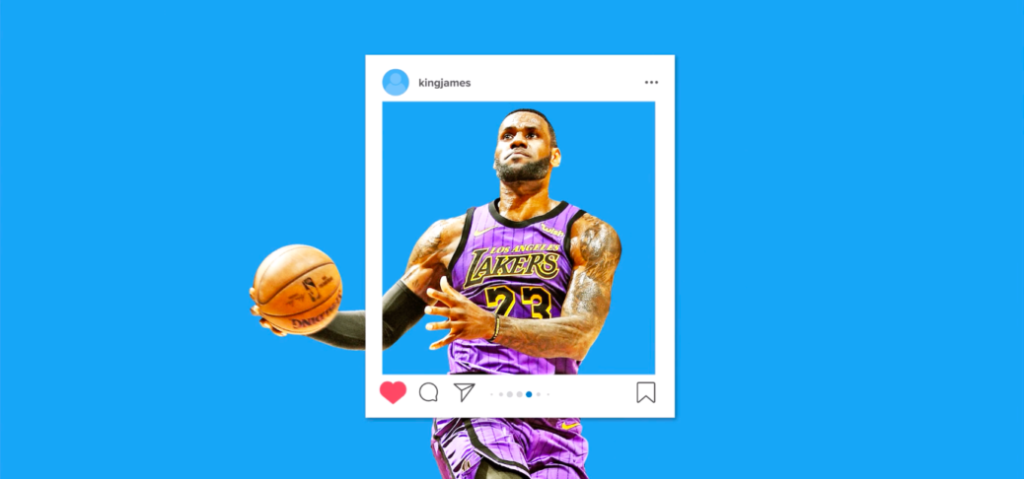
The Social Media Effect: Highlights Over the Whole Game
Social media helped basketball become global. It may also be changing how the sport is consumed.
Many younger fans engage with basketball primarily through:
- Short highlight clips
- Viral trash talk
- Fashion and tunnel walks
- Individual moments over team play
Entire games are often skipped.
Real-life example:
Ask a young fan about a player’s signature move, outfit, or quote, and they’ll answer instantly. Ask about defensive schemes or team concepts, and the conversation often ends.
This fuels criticism that modern basketball culture prioritizes style over substance.
The AAU and Youth Basketball Backlash
Nowhere is the cultural backlash louder than in youth basketball.
The rise of year-round AAU circuits created exposure and opportunity—but also serious concern.
Parents, coaches, and medical experts increasingly warn about:
- Overuse injuries at young ages
- Mental and physical burnout
- Early specialization limiting overall athletic growth
- Financial pressure on families
Basketball’s popularity has turned childhood development into an industry, and many families feel trapped in a system where stepping away means falling behind.
Is the Game Too Player-Centric Now?
Basketball has always celebrated stars, but critics argue the balance has tipped too far.
Today’s elite players:
- Drive media narratives
- Influence roster construction
- Shape league storylines
While global icons like LeBron James have elevated the sport worldwide, some fans feel team identity and system-building matter less than individual branding.
The result:
- Reduced long-term loyalty
- Constant trade speculation
- Drama overshadowing competition
For traditionalists, the game feels more transactional.
Commercialization: When Branding Overtakes Basketball
Basketball’s financial success is undeniable. Shoe deals, endorsements, streaming contracts, and social partnerships have transformed players into global brands.
But the backlash centers on balance.
Critics argue:
- Marketing sometimes overshadows competition
- Storylines feel manufactured
- Authentic moments feel diluted
When every rivalry becomes content and every dunk becomes an ad, fans question what’s organic and what’s scripted.
A Cultural Divide Between Old Fans and New Fans
Basketball now spans generations—and that creates friction.
Longtime Fans Often Miss
- Physical defense
- Slower, strategic battles
- Strong team identity
New Fans Often Love
- Skill expression
- Player empowerment
- Cultural crossover with music and fashion
Neither side is wrong—but the tension fuels endless online debates and reinforces the sense of cultural backlash.
Is Basketball Crowding Out Other Sports?
As basketball grows, some critics worry it dominates youth sports ecosystems.
In many schools and communities:
- Multi-sport athletes are declining
- Basketball consumes year-round attention
- Other sports struggle for participation
Basketball’s popularity may unintentionally narrow athletic pathways rather than expand them.
The Analytics Era: Smarter or More Predictable?
Advanced analytics have improved efficiency and strategy—but also changed how the game looks.
Modern basketball emphasizes:
- Three-point volume
- Floor spacing
- Efficiency over improvisation
Some fans argue this has made the game:
- More predictable
- Less stylistically diverse
- Less physical
When many teams play similar styles, individuality can fade.
Is the Backlash Actually Proof of Success?
Here’s the paradox: only dominant cultures face backlash.
Basketball is criticized precisely because it matters so much.
The debates exist because:
- Fans care deeply
- The sport shapes identity
- Its influence is massive
The backlash isn’t rejection—it’s growing pain.
What the Data Suggests About Popularity and Fatigue
Sports media research consistently shows:
- Basketball has one of the youngest fan demographics
- Global viewership continues to rise
- Social engagement per game is extremely high
At the same time:
- Regular-season viewership fluctuates
- Interest peaks during playoffs and rivalry games
- Fans increasingly complain about over-commercialization
Popularity and fatigue are happening simultaneously.
Can Basketball Adjust Without Losing Its Edge?
Most critics don’t want less basketball—they want better balance.
Areas Fans Commonly Point To
- Improved season pacing
- Stronger emphasis on rivalries
- Youth development safeguards
- Better protection for player health
Basketball doesn’t need to shrink. It needs room to breathe.
Practical Takeaways for Fans, Parents, and the Sport
Understanding the backlash helps everyone engage more thoughtfully.
Key Takeaways
- Popularity brings responsibility
- Overexposure can dull passion
- Youth systems need reform
- Culture should serve the game—not replace it
Basketball thrives when its human core remains intact.
Why This Debate Feels So Emotional
Basketball isn’t just entertainment—it’s identity.
For millions, it represents:
- Community
- Aspiration
- Self-expression
When that identity feels threatened by commercialization or dilution, backlash is inevitable.
Final Verdict: Is Basketball Too Popular for Its Own Good?
Basketball isn’t dying. It isn’t broken. And it isn’t losing relevance.
But its explosive popularity has created real growing pains.
The cultural backlash is a warning—not a rejection. A reminder that growth without reflection risks erasing what made the game special in the first place.
Basketball’s future depends not on slowing down—but on remembering why people fell in love with it.
Frequently Asked Questions (Trending Searches)
1. Is basketball becoming oversaturated?
Ans. Some fans feel constant exposure reduces excitement, even as popularity continues to grow.
2. Why do people criticize modern basketball culture?
Ans. Common concerns include commercialization, social-media obsession, and less emphasis on team play.
3. Is social media hurting basketball?
Ans. It helps growth but may shift focus toward highlights instead of full-game appreciation.
4. Are young basketball players burning out earlier?
Ans. Many experts believe year-round play increases injury and burnout risk.
5. Has player empowerment gone too far?
Ans. Opinions differ—some celebrate it, others feel it weakens team identity.
6. Is basketball still growing globally?
Ans. Yes. International viewership and participation continue to expand.
7. Does analytics make basketball boring?
Ans. Analytics improve efficiency but can reduce stylistic variety.
8. Is the NBA too commercialized?
Ans. Commercial success fuels growth, but balance is a common concern.
9. Will basketball’s popularity decline?
Ans. Unlikely, but engagement may shift if concerns aren’t addressed.
10. How can fans enjoy basketball more today?
Ans. Focus on rivalries, full games, and local connections—not just highlights.