
 By Andrew Sullivan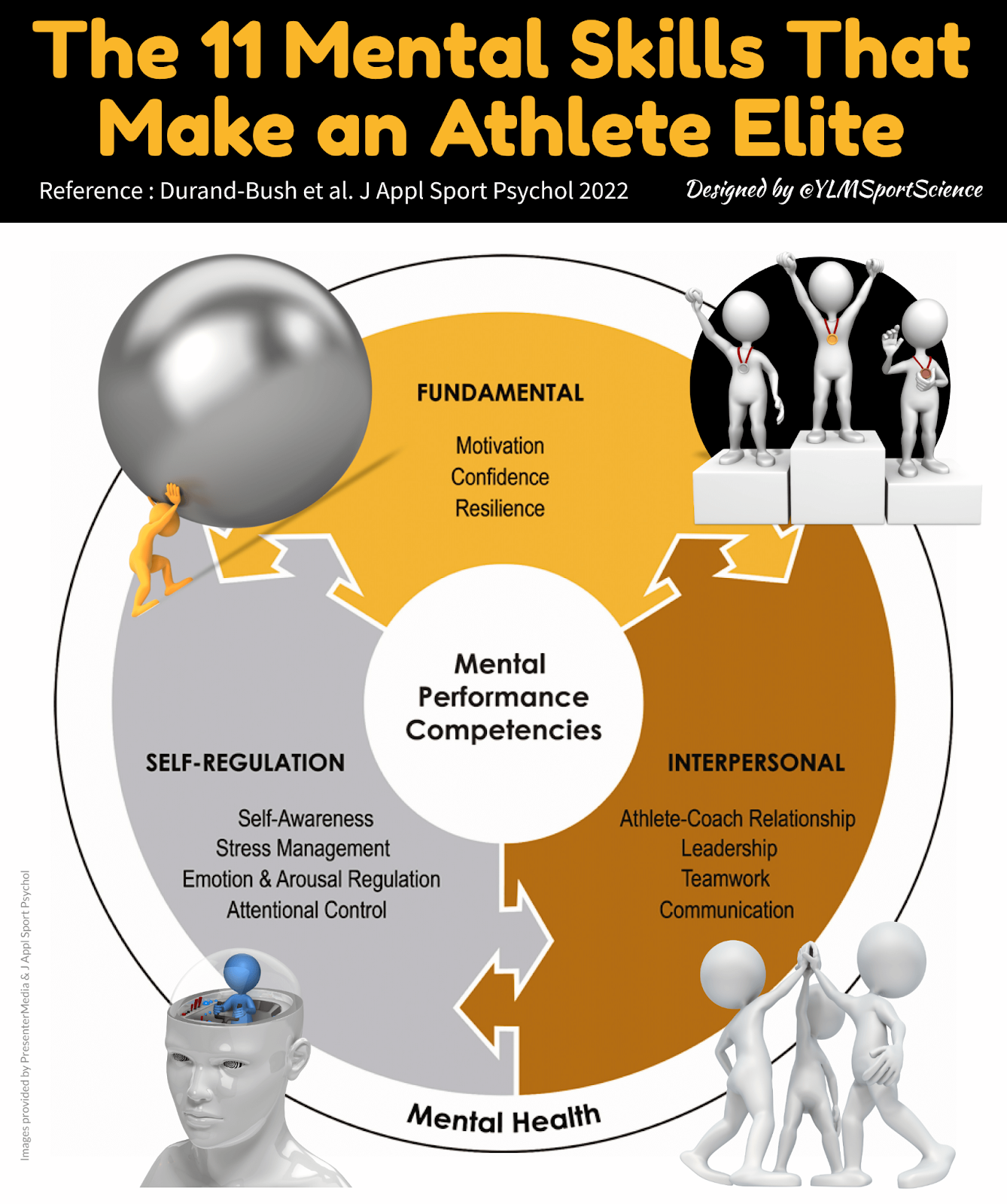
Elite athletes separate themselves not by physical talent alone, but by how they think under pressure. This in-depth guide explores the mental frameworks, psychological habits, and decision-making processes that top players use to dominate high-stakes moments. Backed by real-world examples and sports psychology insights, this article reveals how mental mastery fuels consistent elite performance.
Introduction: Why the Mental Game Is the Real Battleground
In today’s hyper-competitive sports landscape, physical advantages are shrinking. Strength, speed, and technical skill are now baseline requirements rather than differentiators. What truly separates elite players from good ones is invisible to the eye: the mental game.
The mental game governs how athletes respond to pressure, recover from mistakes, make split-second decisions, and maintain confidence when outcomes are uncertain. According to sports psychology research published by the American Psychological Association, mental factors account for up to 70% of performance differences at elite levels, especially in clutch situations.
This is why modern franchises invest heavily in mental performance coaches, visualization experts, and cognitive resilience programs. The mind is no longer an accessory to performance—it is the engine.
How Elite Players Think Differently During Competition
Elite players don’t simply play harder; they think differently in real time. Their mental frameworks allow them to remain calm, adaptive, and decisive when the game becomes chaotic.
Where average players focus on consequences—missing a shot, losing a game, letting teammates down—elite players narrow their attention to execution and process. This mental discipline prevents anxiety from hijacking performance.
Elite thinking patterns include:
- Process-oriented focus instead of outcome obsession
- Rapid emotional recovery after mistakes
- Confidence grounded in preparation, not emotion
- Situational awareness rather than tunnel vision
These mental traits allow elite players to stay present, which is critical when milliseconds and inches determine outcomes.
Pressure Is Information, Not a Threat
Pressure does not break elite players—it reveals how they’ve trained their minds.
Neuroscience research shows that athletes who reinterpret stress as a challenge rather than a threat experience lower cortisol spikes and better motor control. Elite players train themselves to recognize pressure as a signal that the moment matters—not as a warning of failure.
A clear example is LeBron James, who has spoken publicly about visualizing late-game scenarios years before they occur. When the moment arrives, his brain doesn’t panic—it recognizes familiarity.
Elite players mentally rehearse:
- Final possessions
- Crowd noise and distractions
- Missed shots and immediate recovery
As a result, pressure becomes predictable, not paralyzing.
Emotional Control vs. Emotional Suppression
A common myth in sports is that elite players are emotionally numb. In reality, they feel just as much pressure, frustration, and excitement as anyone else. The difference lies in emotional regulation.
Elite athletes do not fight emotions; they acknowledge them and move forward. They understand that emotional resistance drains cognitive energy.
Key emotional habits of elite players:
- Accepting emotions without judgment
- Using breath and routines to reset
- Refocusing attention on controllables
This is why elite players recover faster from bad calls, missed shots, or hostile crowds. They don’t waste energy wishing reality were different.
Faster Decision-Making Under Chaos
Elite performance often depends on decisions made in fractions of a second. Sports cognition studies reveal that elite athletes process visual information up to 30% faster than non-elite competitors.
This advantage doesn’t come from thinking harder—it comes from pattern recognition built through repetition.
Stephen Curry exemplifies this mental edge. His shooting decisions occur before defenders fully commit because he subconsciously reads spacing, angles, and movement patterns.
Elite decision-making is powered by:
- Thousands of deliberate practice repetitions
- Film study that builds mental pattern libraries
- Trust in instincts trained over time
When the brain recognizes a familiar pattern, hesitation disappears.
Visualization: Training the Brain Without Moving
Visualization is one of the most powerful tools in elite sports psychology. Brain imaging studies show that mental rehearsal activates the same neural pathways as physical execution.
Olympic training research suggests visualization can improve performance by 10–15%, even when physical practice is limited.
Elite athletes visualize:
- Perfect execution
- Common mistakes and corrections
- Emotional responses to adversity
Kobe Bryant famously rehearsed entire games mentally the night before tip-off. This meant mistakes during games never felt unfamiliar—they had already been solved in his mind.
Confidence Built on Evidence, Not Ego
Elite confidence is quiet, stable, and resilient. It is not bravado—it is evidence-based belief.
Unlike fragile confidence, which collapses after failure, elite confidence is anchored in preparation. Players trust the work they’ve put in, even when results temporarily disappoint.
Elite confidence comes from:
- Consistent preparation routines
- Objective self-evaluation
- Long-term performance tracking
Because of this, elite players don’t question their worth after a bad game. They correct execution and move forward.
Failure as Feedback, Not Identity
One of the clearest mental distinctions between elite and average players is how they interpret failure.
Average players internalize mistakes as personal flaws. Elite players treat mistakes as data points.
This mindset allows them to:
- Shorten performance slumps
- Accept coaching without defensiveness
- Return quickly to fundamentals
Elite players understand that consistency is not about avoiding failure—it’s about responding to it efficiently.
Flow State: When the Game Slows Down
Flow is the mental state where performance feels effortless and time perception shifts. Elite players access flow more often because they remove internal interference.
Flow emerges when:
- Attention is fully present
- Self-judgment disappears
- Trust replaces control
Elite players don’t chase flow; they create conditions for it by staying process-focused and mentally relaxed.
Mental Habits Anyone Can Learn From Elite Players
You don’t need to be a professional athlete to benefit from elite mental strategies. These habits translate directly to business, academics, and leadership.
Practical takeaways:
- Focus on actions, not outcomes
- Build consistent pre-performance routines
- Practice emotional resets
- Review performance objectively
- Visualize success and setbacks
Mental training is a skill—and skills compound over time.
Frequently Asked Questions (SEO-Optimized)
1. What is the mental game in sports?
Ans. The mental game refers to psychological skills such as focus, confidence, emotional control, resilience, and decision-making that directly influence athletic performance.
2. Why do elite players perform better under pressure?
Ans. Elite players train their minds to interpret pressure as familiarity rather than threat through visualization, experience, and emotional regulation.
3. Can mental toughness be learned or trained?
Ans. Yes. Mental toughness is a trainable skill developed through deliberate stress exposure, mental rehearsal, and cognitive reframing.
4. How do athletes stay calm in clutch moments?
Ans. They rely on breathing techniques, routines, process focus, and emotional acceptance instead of suppression.
5. Do professional teams use sports psychologists?
Ans. Yes. Most elite teams employ sports psychologists or mental performance coaches to improve consistency and resilience.
6. Is confidence a skill or personality trait?
Ans. Confidence is a skill built through preparation, repetition, and evidence—not an innate personality trait.
7. How important is visualization for performance?
Ans. Visualization strengthens neural pathways linked to execution and decision-making, significantly enhancing performance.
8. What separates champions mentally from average players?
Ans. Faster emotional recovery, better focus under pressure, and separation of identity from results.
9. Can youth or amateur athletes benefit from mental training?
Ans. Absolutely. Mental skills often accelerate improvement faster than physical training alone at early stages.
10. How long does it take to develop elite mental habits?
Ans. Noticeable improvements can occur within weeks, while mastery develops through months and years of consistent practice.
Final Thoughts: The True Competitive Advantage
Talent opens doors.
Skill sustains careers.
Mental mastery creates legends.
The greatest players don’t win because they feel less pressure—they win because they think clearly when pressure is highest.