
 By Jonathan Reed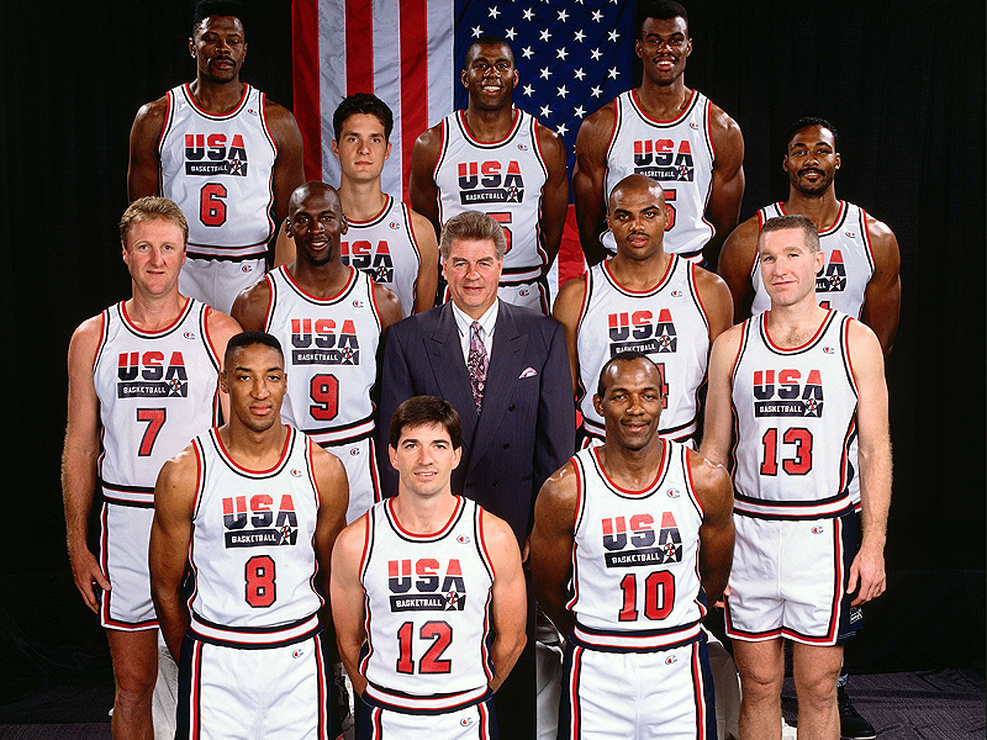
For decades, critics have argued that USA Basketball “cheated the system” in international competition, especially after NBA professionals were allowed into Olympic play in 1992. But did Team USA actually break rules—or simply capitalize on opportunities better than everyone else? This deep investigation explains the rule changes, structural advantages, controversies, and global reactions that shaped modern Olympic basketball dominance.
Every Olympic basketball cycle brings back one of the sport’s most controversial debates:
Did USA Basketball unfairly tilt international competition in its favor?
Fans around the world still argue about whether the United States manipulated international basketball rules or simply used its natural advantages better than anyone else. Supporters claim Team USA merely played within evolving regulations. Critics insist the system became unfair once NBA players joined Olympic competition.
The truth, however, is more complex than simple accusations.
USA Basketball never technically violated international rules. Yet the structure of global basketball—and how rules evolved—created an environment where the United States benefited more than anyone else.
To understand the controversy, we must revisit how Olympic basketball changed, why rules evolved, and how global competition eventually caught up.
This article explores:
• Why NBA players were once banned from Olympic competition
• How rule changes reshaped global basketball
• Whether Team USA gained unfair advantages
• Why international resentment developed
• How global basketball eventually closed the gap
• What fans misunderstand about Olympic dominance
Let’s unpack what really happened.
The Origins of the Controversy
For much of Olympic history, basketball followed strict amateurism rules. Professional athletes were barred from participating, reflecting the Olympic movement’s early ideals emphasizing amateur competition.
This meant that for decades:
• NBA players were prohibited from Olympic participation
• U.S. teams were composed mainly of college players
• Other countries often fielded state-supported athletes labeled as amateurs
• Many international players trained full-time despite amateur labels
Ironically, some countries operated programs where players technically counted as amateurs but trained and competed as professionals under government-backed systems.
This created uneven competition long before rule changes favored professionals.
Why the Olympic Basketball Rules Changed
By the late 1980s, basketball had grown globally, and pressure mounted to modernize Olympic competition.
Several factors influenced rule changes:
• Growing popularity of professional sports worldwide
• Difficulty defining amateur status fairly
• Rising international basketball talent
• Desire to showcase the best players globally
• Need to modernize Olympic competition
In 1989, FIBA voted to allow professional players to compete internationally, opening the door for NBA participation in Olympic basketball.
This change applied universally—not just to the United States.
But its consequences disproportionately benefited one nation.
The Dream Team and Global Shockwaves
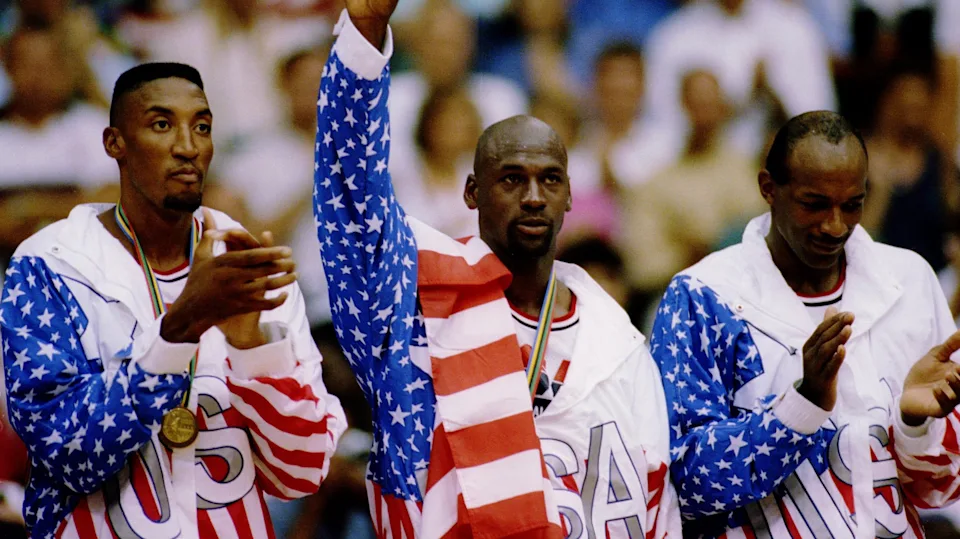
The 1992 Barcelona Olympics introduced the world to what many consider the greatest basketball team ever assembled: the United States Dream Team.
The roster included legends such as:
• Michael Jordan
• Magic Johnson
• Larry Bird
• Charles Barkley
• Karl Malone
• Scottie Pippen
• John Stockton
The team didn’t merely win—it dominated.
According to Olympic statistics, the Dream Team won games by an average margin exceeding 40 points, turning competition into spectacles rather than contests.
International players later admitted they were starstruck sharing the court with idols they had previously only seen on television.
But admiration came with criticism.
Many fans worldwide argued that allowing NBA professionals destroyed competitive balance.
Thus, the idea emerged that USA Basketball had effectively “cheated the system.”
Did USA Basketball Actually Rig the Rules?
The crucial reality often overlooked:
USA Basketball did not change the rules.
FIBA modified regulations for all nations equally. Every country could send professional players.
However, several factors meant the United States benefited more:
• The NBA featured overwhelmingly American talent
• U.S. infrastructure produced elite players in large numbers
• Youth and collegiate basketball systems were highly developed
• Basketball culture remained deeply embedded in American sports
Other nations simply didn’t have comparable professional talent pools at the time.
Team USA did not manipulate regulations—they capitalized on existing advantages.
Structural Advantages That Powered USA Dominance
Beyond rule changes, deeper structural factors played a role.
The United States possessed unique basketball advantages:
• The NBA served as the world’s premier professional league
• College basketball provided elite development pipelines
• Massive youth participation programs fueled talent pools
• Financial resources supported high-level training facilities
• Basketball held strong cultural importance
While other nations produced great players, the United States produced dozens of elite prospects annually.
Depth—not just star power—proved decisive.
Why Many Countries Felt Competition Became Unfair
From outside the U.S., Olympic basketball sometimes appeared predictable.
Common international complaints included:
• Smaller nations couldn’t match American depth
• Domestic leagues lacked NBA-level development
• Tournament outcomes felt predetermined
• Gold medals seemed locked in advance
Fans prefer unpredictability in sports. Dominance breeds resentment.
But ironically, frustration eventually fueled global growth.
The Turning Point: Team USA Starts Losing
If the system were truly rigged, Team USA would never lose.
But losses began appearing.
The 2004 Athens Olympics became a wake-up call. Despite sending NBA players, the United States settled for bronze after losses to Argentina and others.
Several issues contributed:
• Limited preparation time
• Poor team chemistry
• Overreliance on individual scoring
• Strong international team cohesion
Argentina’s disciplined, team-oriented approach outplayed American talent.
The myth of guaranteed dominance shattered.
Global Basketball Catches Up
After witnessing Dream Team dominance, many countries invested heavily in basketball development.
International programs expanded youth academies, professional leagues improved, and coaching standards rose.
Soon, global stars emerged:
• Dirk Nowitzki from Germany
• Pau Gasol from Spain
• Tony Parker from France
• Manu Ginóbili from Argentina
• Later stars like Luka Dončić and Nikola Jokić
International players became NBA superstars themselves.
Basketball globalization accelerated.
USA Basketball’s Organizational Reforms
After struggles in the early 2000s, USA Basketball restructured operations.
Improvements included:
• Multi-year player commitments
• Improved coaching continuity
• Greater emphasis on team culture
• International rule preparation
• Role clarity for players
Rather than relying solely on talent, preparation improved.
Success returned, but victories became harder earned.
What Fans Often Misunderstand
Many fans assume Olympic basketball remains easy for Team USA.
But modern competition presents real challenges:
• Short tournament formats leave little room for error
• FIBA officiating differs from NBA rules
• Zone defenses appear frequently
• Team chemistry develops quickly
• International squads train together longer
Winning now requires adaptation—not just star power.
Real-Life Lessons from the 2008 Redeem Team
After the 2004 disappointment, the 2008 Redeem Team restored U.S. dominance.
The difference?
Preparation and commitment.
Players like Kobe Bryant and LeBron James embraced leadership roles, emphasizing defense and teamwork.
Close games against Spain demonstrated that international competition had grown significantly stronger.
Gold medals were no longer automatic.
Did USA Basketball Break Any Rules?
No credible evidence suggests rule-breaking occurred.
Instead, Team USA:
• Benefited from universally applied rule changes
• Leveraged superior infrastructure
• Adapted faster than competitors
• Invested heavily in preparation
The controversy revolves around fairness perception, not cheating.
Why the Debate Still Exists
The debate persists because:
• Dominant teams attract criticism
• Fans prefer competitive tournaments
• Media narratives amplify controversy
• Rivalries fuel sports discussions
Emotion often outweighs facts in sports debates.
Practical Takeaways for Fans
Fans seeking deeper understanding should:
• Observe team chemistry development
• Watch defensive strategies under FIBA rules
• Appreciate global basketball growth
• Recognize preparation importance
International competition now delivers thrilling matchups.
Lessons Other Nations Learned
Global basketball development accelerated due to U.S. dominance.
Other countries focused on:
• Youth development investment
• Coaching education improvements
• Professional league growth
• International player exposure
Competition improved worldwide.
Final Verdict: Cheating or Competitive Advantage?
USA Basketball didn’t cheat.
They simply adapted faster and leveraged stronger infrastructure.
Other nations eventually closed the gap through development and innovation.
Today’s Olympic tournaments feature fierce competition rather than guaranteed outcomes.
What once seemed unfair now appears as the beginning of global basketball evolution.
And the sport is better for it.
Frequently Asked Questions (Trending Searches)
1. Did USA Basketball cheat in Olympic competition?
Ans. No. Rule changes allowing professionals applied to all countries equally.
2. Why were NBA players once banned from the Olympics?
Ans. The Olympics historically emphasized amateur participation.
3. What was the Dream Team?
Ans. The 1992 U.S. Olympic team featuring NBA legends widely considered the greatest basketball team assembled.
4. Did rule changes favor Team USA?
Ans. Not intentionally. The U.S. simply had more professional talent available.
5. Why did Team USA lose in 2004?
Ans. Poor preparation and improved international competition led to losses.
6. Are international teams competitive now?
Ans. Yes. Global basketball talent has grown significantly.
7. Does Team USA still dominate?
Ans. Often, but competition is now much closer.
8. Why do some fans dislike Team USA dominance?
Ans. Predictable outcomes reduce excitement for neutral fans.
9. Did other countries benefit from professional participation?
Ans. Yes, but their professional systems developed more slowly.
10. Has Olympic basketball improved since 1992?
Ans. Absolutely. Global competition has become stronger and more exciting.