
 By Brandon Lewis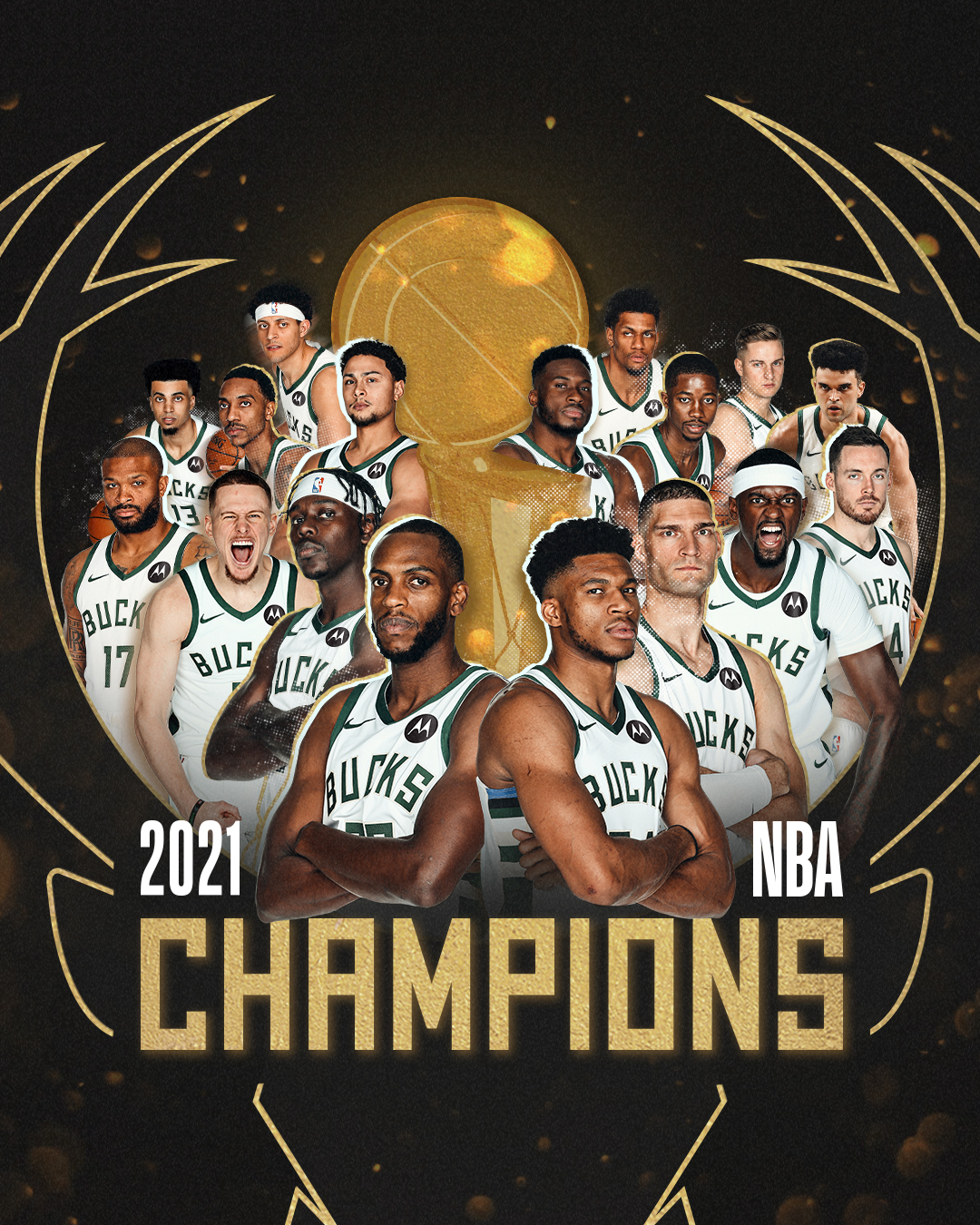
For decades, NBA championships seemed reserved for big-market franchises with money, fame, and star appeal. That era is ending. Small-market teams are now winning titles, retaining superstars, and redefining success through smart drafting, culture, and patience. This in-depth analysis explains how underdogs became champions—and why the NBA’s balance of power has permanently shifted.
Introduction: When Market Size Stopped Deciding Championships
For much of NBA history, market size felt like destiny.
Teams based in Los Angeles, New York, Boston, and Chicago enjoyed structural advantages that went far beyond basketball. They had larger fan bases, more media attention, endorsement opportunities, and a natural gravitational pull for elite free agents. Meanwhile, teams in smaller cities were often forced into survival mode—draft well, hope briefly, and prepare to lose stars once they became great.
Fans in small markets learned to manage expectations.
Then something changed.
Over the last decade, small-market teams haven’t just competed—they’ve won championships, dominated regular seasons, retained MVP-level players, and forced the league to rethink what “advantage” really means. The NBA’s competitive hierarchy is no longer dictated by city size alone.
This article explores how small-market basketball teams rose from underdogs to champions, what structural changes made it possible, and why this shift isn’t temporary—it’s the new normal.

What Exactly Is a “Small-Market” Team?
In NBA terms, a small-market team typically operates in a city with:
- Lower population and media exposure
- Fewer national TV appearances
- Smaller local sponsorship opportunities
- Less natural pull for celebrity culture
These teams often rely more heavily on drafting and development rather than free-agent signings.
Historically, that reality came with severe limitations. Today, it comes with unexpected advantages.
Why Small-Market Teams Used to Struggle So Much
To understand the rise, it’s important to acknowledge the disadvantages small-market teams faced for decades.
They routinely dealt with:
- Superstar departures once rookie contracts ended
- Difficulty attracting veteran free agents
- Short competitive windows
- Fan bases conditioned for disappointment
The era of player empowerment amplified these issues. Stars gained control over their destinations, and large markets seemed like obvious choices.
Small markets were often treated as temporary stops—not long-term homes.
The Strategic Shift That Changed Everything
The modern NBA no longer rewards shortcuts.
Instead of impulsive spending and star-chasing, championships increasingly come from:
- Elite drafting
- Player development
- Long-term roster continuity
- Strong organizational culture
Small-market teams embraced these principles earlier—not by choice, but by necessity.
Because they couldn’t afford mistakes, they became disciplined.
Because they couldn’t attract stars easily, they learned how to build them.
That discipline turned into a competitive edge.
Drafting Became the Great Equalizer
In the past, the NBA Draft was important. Today, it’s foundational.
Small-market teams invested heavily in:
- Scouting infrastructure
- International talent evaluation
- Player development systems
They stopped drafting for hype and started drafting for fit, upside, and work ethic.
Instead of chasing instant results, they committed to patience—and it paid off.
Drafting well didn’t just produce stars. It created organizational identity.
Player Development Replaced Free-Agent Dependence
Free agency once defined championship windows.
Now, most championship rosters are built primarily through:
- Draft picks
- Internal growth
- Smart, targeted trades
Small-market teams excel here because they:
- Give young players real opportunities
- Accept early growing pains
- Invest in coaching and development
When players grow together, chemistry compounds. That chemistry becomes difficult for externally assembled teams to replicate.
Real-World Example: Milwaukee’s Evolution From Afterthought to Champion
Few examples illustrate this shift better than Milwaukee.
For decades, the franchise struggled to remain relevant. Attracting top free agents was nearly impossible. National attention was scarce.
Instead of panicking, the organization committed to development. They identified a raw, high-upside prospect, invested years into his growth, and built a system around his strengths.
Rather than losing their star to a larger market, they built trust, stability, and eventually a championship team.
That title didn’t just validate one franchise—it sent a message to the entire league.
Denver’s Blueprint: Why Patience Beats Panic
Denver followed a similar path.
Rather than chasing headlines, the franchise trusted:
- Player continuity
- Incremental improvement
- Role clarity
They resisted the urge to blow things up after playoff disappointments. Instead, they doubled down on chemistry and internal growth.
That patience produced a team that didn’t rely on market size or star-chasing—only cohesion and skill.
Superstar Loyalty: The Most Important Change
One of the most significant shifts in the NBA is superstar decision-making.
Stars used to view small markets as stepping stones. Today, many see them as legacy-building platforms.
Why the change?
- Max contracts eliminated most financial disadvantages
- Winning matters more than location
- Stability often beats chaos
- Endorsements are now global, not local
Players no longer need Hollywood or New York to build brands. They need championships.
That realization changed everything.
Culture Became the Ultimate Competitive Advantage
Small-market teams learned something big-market teams often ignored: culture compounds.
Strong cultures provide:
- Clear expectations
- Accountability without chaos
- Trust between players and management
- Long-term vision
When players believe in the organization, they’re more likely to stay, sacrifice, and grow.
Culture doesn’t show up in box scores—but it decides close games and long seasons.
Analytics and Technology Leveled the Playing Field
Analytics didn’t just change basketball strategy—it democratized success.
Small-market teams leaned into:
- Advanced data analysis
- Shot-profile optimization
- Injury prevention science
- Lineup efficiency modeling
Because they couldn’t rely on star power alone, they relied on information.
That investment allowed them to maximize margins where talent gaps once existed.
Why Free Agency Matters Less Than Ever
Modern championships aren’t built in July—they’re built over years.
Small-market teams thrive because they:
- Draft with intention
- Develop patiently
- Use trades surgically
- Avoid desperation contracts
Free agency is now a finishing move, not the foundation.
That reality favors disciplined franchises over glamorous ones.
Fan Loyalty: The Underrated Advantage
Small-market fan bases bring something unique: unconditional loyalty.
These fans:
- Stay through rebuilds
- Celebrate growth
- Create authentic home-court advantages
Players feel that connection. Winning in a city that truly embraces you carries weight that no endorsement deal can replace.
That emotional bond strengthens organizational stability.
Structural NBA Changes Helped Underdogs Rise
The league itself also played a role.
Key mechanisms include:
- Revenue sharing
- Luxury tax penalties
- Supermax contracts
These systems reduced financial disparities and discouraged constant star-hoarding.
Parity didn’t happen accidentally. It was designed—and small-market teams learned how to exploit it best.
Are Big-Market Teams Losing Their Advantage?
Not losing—sharing.
Big-market teams still attract stars, but poor management gets punished regardless of city size. Smart teams win. Careless teams struggle.
Market size is no longer a shortcut to success.
Why This Trend Is Here to Stay
This isn’t a temporary cycle.
The systems that empowered small-market success—analytics, global branding, salary structure—aren’t disappearing. If anything, the gap between smart franchises and poorly run ones will only grow.
Small-market teams have proven they know how to operate efficiently.
Key Reasons Small-Market Teams Became Champions
- Drafting excellence
- Player development commitment
- Cultural stability
- Analytical investment
- Superstar loyalty
- League parity mechanisms
Underdogs didn’t get lucky.
They got smarter.
What This Means for the NBA’s Future
The league is more competitive—and more unpredictable—than ever.
Fans in every city can now believe:
- Championships are possible
- Stars can stay
- Patience pays off
That belief changes how teams are built and how fans engage with the game.
Key Takeaways (Quick Read)
- Market size no longer defines championship potential
- Small-market teams mastered development and culture
- Superstars now value stability and winning
- Analytics leveled the competitive field
- NBA parity is stronger than ever

Frequently Asked Questions (FAQ)
1. What is a small-market NBA team?
Ans. A team based in a smaller city with less media exposure and lower revenue potential.
2. Why did small-market teams struggle historically?
Ans. They had difficulty attracting and retaining superstar players.
3. What changed for small-market teams?
Ans. Smarter drafting, improved player development, and league parity rules.
4. Are superstars more loyal now than before?
Ans. Yes. Stability, winning, and max contracts encourage long-term commitment.
5. Do small markets still face disadvantages?
Ans. Yes, but they are no longer fatal to championship aspirations.
6. Which small-market teams have won recently?
Ans. Franchises like Milwaukee and Denver are prime examples.
7. Is free agency less important today?
Ans. Yes. Drafting and internal development matter more than splash signings.
8. Does culture really affect winning?
Ans. Absolutely. Strong cultures sustain success over multiple seasons.
9. Can any small-market team contend?
Ans. With smart management and patience, yes.
10. Will big-market teams dominate again?
Ans. They will compete, but they no longer control the league.
Final Thoughts
The rise of small-market basketball teams is one of the NBA’s greatest modern success stories.
It proves that intelligence beats impulse, culture beats glamour, and patience beats panic.
Underdogs didn’t wait for opportunity.
They built it.
And in today’s NBA, that may be the most powerful advantage of all.