The United States consistently produces elite performers not by chance, but through a powerful combination of decentralized training systems, private investment, advanced sports science, early talent exposure, and a culture that embraces competition and failure. This deep-dive reveals the structural, cultural, and financial advantages behind America’s training dominance—advantages most countries struggle to replicate.
Why the Question Keeps Coming Up in America
“Why does the U.S. keep producing elite athletes, leaders, and high performers?”
This question is trending across search engines, podcasts, and sports media—and for good reason.
From Olympic podiums to professional leagues, from military readiness to corporate leadership pipelines, the United States continues to generate elite-level performers at a scale that defies simple explanations like population size or natural talent. Many countries have talented individuals. Few produce depth—and depth is where the U.S. separates itself.
The truth is uncomfortable for many observers: America’s advantage is not one system—it’s an ecosystem. And ecosystems are incredibly difficult to copy.
The Biggest Misconception About U.S. Training
The most common assumption is that the U.S. has a single, powerful national training system. It does not.
Instead, America runs thousands of overlapping, competing training pipelines—across schools, colleges, private academies, professional leagues, and independent performance labs. These pipelines constantly compete for talent, funding, reputation, and results.
This decentralization creates three massive advantages:
- Failure in one system does not collapse the whole structure
- Innovation spreads quickly because success is rewarded
- Athletes and performers can move freely to better environments
In contrast, many countries rely on centralized national programs. While easier to manage, they are slower to adapt and far more vulnerable to stagnation.
Early Talent Identification: Where the Gap Quietly Begins
One of the least discussed but most important advantages is how early the U.S. identifies talent.
In America, performance tracking often begins in middle school. By high school, athletes are already competing in structured leagues with scouts, rankings, and measurable performance metrics. Games are filmed, statistics are archived, and reputations are built early.
High school competitions effectively act as national scouting combines, feeding into colleges and elite development programs. By the time many American athletes reach adulthood, they have already spent years performing under pressure.
Real-Life Example
A 16-year-old American basketball player may already have:
- Played in packed gyms
- Been evaluated by national ranking services
- Faced scholarship-level consequences for performance
That level of psychological conditioning cannot be simulated later.
Why the NCAA Model Is Nearly Impossible to Replicate
The college sports system in the U.S. plays a unique role in elite training. Colleges function as professional-grade development centers disguised as educational institutions.
Athletes receive:
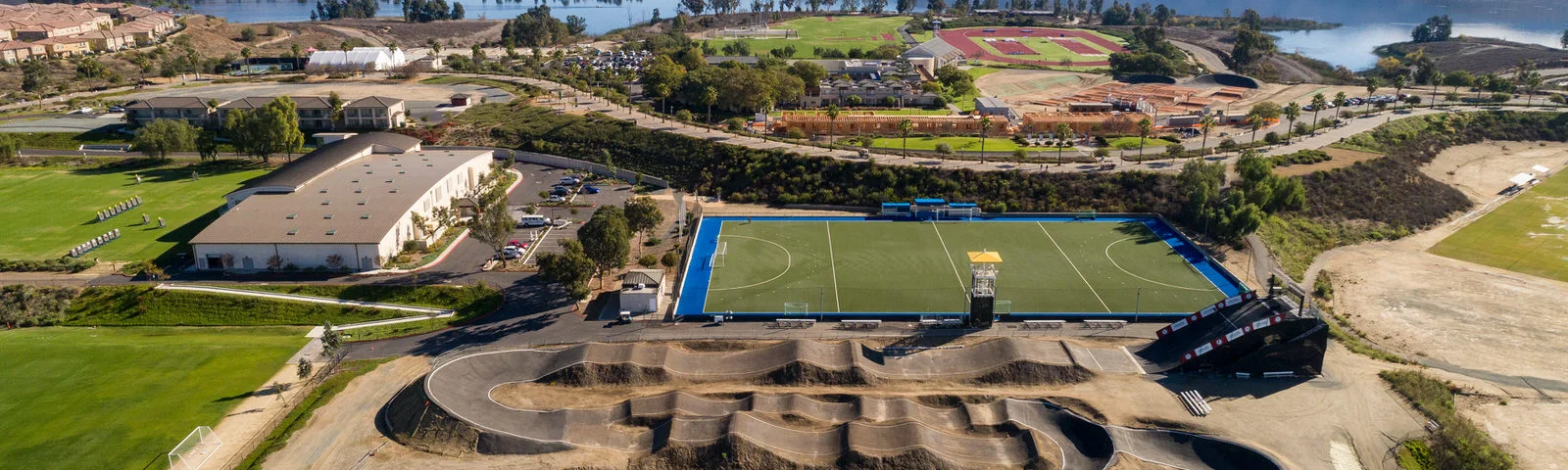
- World-class facilities
- Full-time coaching staffs
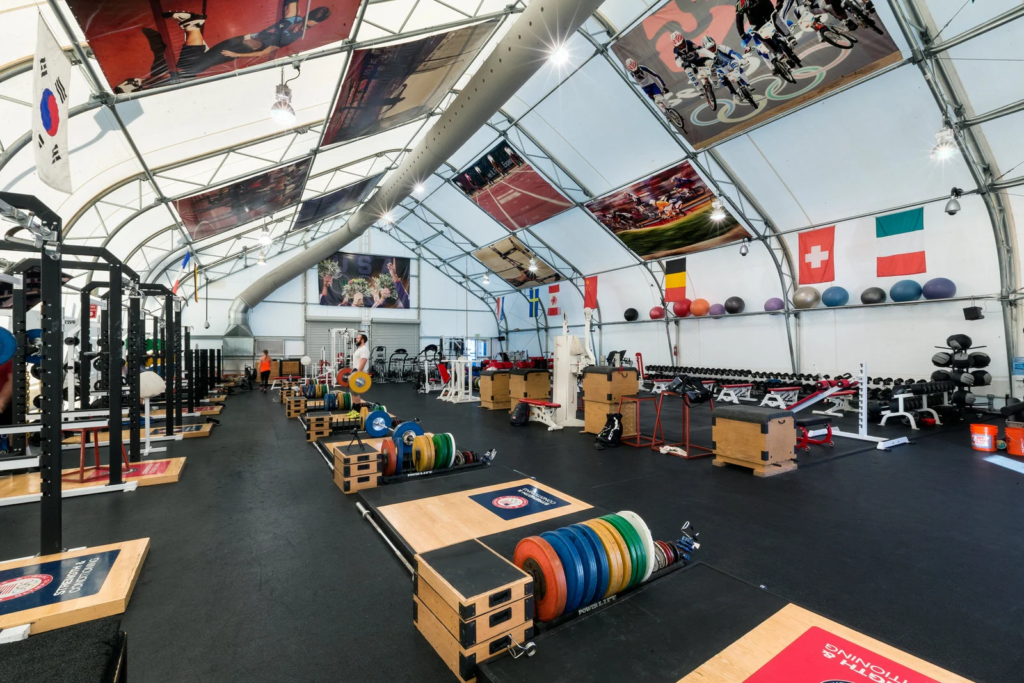
- Strength, nutrition, and recovery support
- National media exposure
All while competing against peers who are also elite.
In most countries, education and elite performance exist in separate lanes. In the U.S., they are fused—creating an efficient, high-pressure training environment that filters talent ruthlessly.
Competition Is the Real Engine Behind U.S. Training Success
In many countries, training systems emphasize uniformity, fairness, and cooperation. The U.S. takes a different approach.
American systems reward competition at every level:
- Schools compete for prestige
- Colleges compete for recruits
- Coaches compete for contracts
- Training programs compete for results
If a method doesn’t work, it is quickly abandoned. If it works, it spreads fast.
This creates a natural survival-of-the-fittest environment where only effective systems survive.
The Power of Private Investment and Sponsorship
Another reason other countries struggle to keep up is money—but not government money.
Elite American training is heavily supported by:
- Corporate sponsorships
- Media rights deals
- Alumni donations
- Private performance startups
This allows U.S. athletes access to tools that many national programs simply cannot afford, including:
- Advanced recovery technology
- Biomechanics analysis
- Sleep and fatigue optimization
- Mental performance coaching
Because this funding is private, innovation moves fast—without waiting for bureaucratic approval.
Why U.S. Sports Science Evolves Faster
American training systems operate with lower regulatory friction compared to many government-run programs.
New methods can be tested, refined, or discarded quickly. Private labs partner directly with teams. Data analytics is integrated early. Wearable technology adoption happens faster.
Real-Life Example
Sleep tracking, heart-rate variability monitoring, and personalized recovery protocols were common in U.S. programs years before becoming standard internationally—creating cumulative performance gains over time.
Cultural Conditioning: The Advantage Nobody Likes to Talk About
Beyond infrastructure and money lies culture.
From a young age, Americans are taught to:
- Compete publicly
- Accept blunt feedback
- Separate failure from identity
- Treat setbacks as learning data
In training environments, this means:
- Performance metrics are transparent
- Benchings are public
- Results matter more than seniority
In many cultures, such pressure would be considered unhealthy. In the U.S., it is normalized—and often celebrated.
Cross-Domain Training: Sports, Military, and Business
Another hidden advantage is knowledge transfer across sectors.
Training methods developed for:
- Military stress resilience
- Corporate leadership performance
- Professional sports conditioning
…often overlap and cross-pollinate.
Visualization techniques, stress inoculation, fatigue management, and decision-making under pressure are refined in one domain and applied to others. Many countries silo these systems. The U.S. does not.
Geography and Scale: An Overlooked Advantage
The U.S. benefits from:
- Multiple climate zones
- Year-round training environments
- Domestic competition equal to international standards
Elite athletes can face world-class opponents without leaving the country. This reduces cost while maintaining constant exposure to high-level competition.
Scale matters—and America has it.
What Other Countries Try to Copy—and Why It Fails
Many nations attempt to replicate:
- U.S. academies
- College-style leagues
- Data-driven coaching
But they often miss the foundation: open competition for funding, talent, and recognition.
Without market pressure, systems become rigid. Without private capital, innovation slows. Without cultural tolerance for failure, experimentation dies.
Key Takeaways (Quick Scan)
- The U.S. training advantage is decentralized and competitive
- Private investment accelerates innovation
- Early exposure to pressure builds resilience
- Cultural acceptance of failure fuels progress
- Scale makes success self-reinforcing
Frequently Asked Questions
1. Why can’t other countries copy U.S. training systems?
Ans. Because U.S. training relies on private funding, decentralized competition, and cultural norms that cannot be quickly legislated or replicated.
2. Does the U.S. government control elite training?
Ans. No. Most elite training occurs outside direct government control through schools, colleges, private academies, and independent organizations.
3. Is the college system really that important?
Ans. Yes. Colleges function as high-pressure development hubs combining elite competition, education, and media exposure.
4. Do American athletes train longer hours?
Ans. Not necessarily. They train more efficiently using better data, recovery methods, and competitive simulation.
5. How big a role does money play?
Ans. A massive one. Private funding enables faster adoption of advanced training and recovery techniques.
6. Can smaller countries still compete?
Ans. Yes, but usually in niche sports or through highly centralized excellence programs rather than broad dominance.
7. Is this advantage limited to sports?
Ans. No. Similar training structures exist in military, corporate leadership, and creative industries.
8. Does early competition harm young athletes?
Ans. It can, but it also builds psychological resilience when managed correctly.
9. Are U.S. training methods ethical?
Ans. Most are legal and regulated, though more aggressive than international norms.
10. Will the gap ever close?
Ans. Only if countries embrace decentralization, private investment, and competitive pressure—often difficult political choices.
Final Thoughts
America’s training dominance is not a secret formula or a single institution. It is a living, competitive ecosystem built on pressure, capital, culture, and constant reinvention.
And ecosystems—unlike rulebooks—cannot be copied overnight.