
 By Brandon Lewis
USA Basketball’s recent dominance isn’t being driven by superstar scoring or highlight plays. Instead, the real advantage comes from an unexpected shift toward role clarity, defensive commitment, chemistry, and international-style discipline. By prioritizing fit over fame and cohesion over ego, Team USA has quietly rebuilt its edge—and is now overwhelming opponents in ways that feel both familiar and new.
Introduction: A Dominance That Feels Different This Time
For years, the conversation surrounding USA Basketball was filled with doubt. Analysts questioned roster balance. Fans worried about chemistry. International opponents no longer seemed intimidated.
Then, almost suddenly, Team USA flipped the script.
Recent international performances haven’t just resulted in wins—they’ve produced control. Games that once felt tense now feel methodical. Opponents struggle to find rhythm. Leads grow instead of shrink.
What’s surprising is not that the United States is winning again—but why.
The unexpected reason behind USA Basketball’s current dominance has very little to do with raw talent. Instead, it reflects a deeper transformation in mindset, preparation, and team construction that many fans initially overlooked.
Why USA Basketball’s Success Right Now Feels So Different
Historically, Team USA overwhelmed opponents with athleticism alone. Today’s version overwhelms them with structure.
In past tournaments, including the FIBA Basketball World Cup, Team USA often looked explosive but vulnerable—capable of scoring runs, yet prone to defensive lapses and rebounding issues.
Now, the opposite is true.
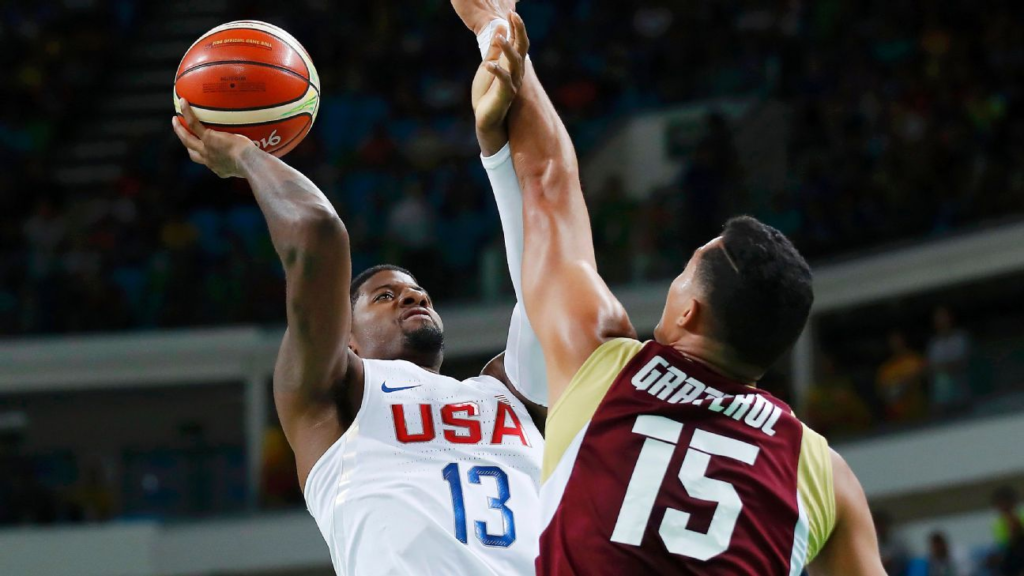
Games are dictated on Team USA’s terms. Defensive pressure suffocates opponents. Ball movement creates high-quality shots. Bench units extend leads rather than protect them.
This isn’t accidental. It’s the result of a fundamental shift in philosophy.
The Old Myth: Talent Alone Guarantees Victory
For decades, the assumption was simple: assemble the best individual players in the world and international dominance would follow.
That assumption no longer holds.
Global basketball has evolved. International teams now:
- Run NBA-style offenses
- Space the floor efficiently
- Defend with discipline and continuity
- Exploit mismatches with precision
Team USA learned—sometimes painfully—that talent without cohesion is beatable.
Instead of doubling down on star power, USA Basketball made an unexpected adjustment.
The Real Difference: Role Acceptance Over Star Power
The most important change driving USA Basketball’s dominance is role clarity.
Players are no longer asked to replicate their NBA usage. They’re asked to do very specific things—exceptionally well.
This approach has unlocked efficiency across the roster.
Real-life example:
In recent dominant performances, multiple players scored in double figures while no one monopolized the offense. Touches were balanced. Defensive energy stayed high. There was no visible drop-off when starters rested.
That’s the power of role acceptance.
Why Defense Has Become Team USA’s Silent Weapon
Offense grabs attention. Defense wins international games.
Team USA’s renewed commitment to defense has quietly separated it from the field.
This version of the team emphasizes:
- Aggressive on-ball pressure
- Rapid defensive rotations
- Physical rebounding
- Communication on every possession
International teams thrive on rhythm. Team USA now disrupts that rhythm from the opening tip.
Opponents don’t just miss shots—they struggle to initiate offense at all.
How Chemistry Is Outperforming Pure Talent
One of the biggest lessons from recent struggles was simple: chemistry matters.
International teams often play together for years. Team USA historically relied on short preparation windows. That gap used to show.
Now, chemistry is treated as a competitive advantage.
Behind-the-Scenes Changes That Matter
- Longer training camps
- Defined roles before competition begins
- Fewer late roster changes
- Emphasis on trust and communication
The result is visible on the floor: seamless switches, confident decision-making, and collective accountability.
Coaching Adaptability Is Finally Paying Off
Roster changes alone don’t explain the surge. Coaching philosophy plays a major role.
Under leaders like Steve Kerr, Team USA has evolved tactically. Instead of forcing NBA-style isolation offense, the system adapts to international realities.
That means:
- Attacking zone defenses with movement
- Prioritizing spacing without sacrificing defense
- Adjusting lineups based on matchup rather than reputation
This flexibility has allowed Team USA to solve problems in-game—something it previously struggled to do.
Why International Opponents Look Overmatched Again
It’s not that international basketball has regressed. In fact, it’s stronger than ever.
The difference is that Team USA has removed many of the weaknesses opponents once exploited.
International teams now face:
- Constant defensive pressure
- Limited second-chance opportunities
- Few isolation mismatches
- No obvious weak lineup combinations
Every unit that steps on the floor maintains intensity.
That consistency is exhausting for opponents.
Learning From the Past: Why This Blueprint Works
USA Basketball didn’t stumble into this success. It learned from failure.
After earlier disappointments, leadership recognized that:
- Talent must be organized
- Chemistry can’t be rushed
- Defense travels internationally
- Ego management is critical
Those lessons shaped the current identity.
Players who thrive in this system understand that winning gold isn’t about individual numbers—it’s about collective execution.
The Historical Parallel Fans Are Noticing
Fans often compare today’s approach to earlier successful eras.
Players like Carmelo Anthony thrived internationally because they embraced defined roles rather than demanding star treatment.
Today’s roster reflects that same mentality across positions.
Everyone buys in—or they don’t play.
What the Numbers Quietly Confirm
Beyond the eye test, the data supports the narrative.
Recent international trends show:
- Higher assist percentages than previous cycles
- Improved defensive rebounding efficiency
- Fewer turnovers against zone defenses
- Larger average scoring margins
These metrics point to control—not chaos.
Why This Version of Team USA Feels Sustainable
The most encouraging aspect of this dominance is that it doesn’t rely on peak performances from one or two players.
Instead, it’s built on:
- Depth
- Balance
- System consistency
That makes it repeatable.
Even when shots aren’t falling, the defense holds. Even when lineups change, the identity remains.
What This Means for Future Tournaments
If this approach continues, Team USA’s advantage may grow rather than shrink.
International teams prepare extensively to exploit weaknesses. Right now, Team USA offers very few.
The emphasis on:
- Role clarity
- Chemistry
- Defensive commitment
creates a margin that talent alone never could.
Practical Takeaways: Why This Formula Wins
Key Reasons USA Basketball Is Crushing the Competition
- Clear roles instead of superstar freedom
- Defense as the foundation
- Ball movement over isolation
- Continuity across tournaments
- Coaching adaptability
This isn’t flashy dominance—it’s controlled dominance.
Why Fans Are Responding So Positively
Fans aren’t just celebrating wins. They’re celebrating identity.
This version of Team USA:
- Plays unselfishly
- Defends relentlessly
- Adjusts intelligently
- Wins convincingly
It feels familiar—in the best way.
Final Verdict: The Unexpected Truth Behind Team USA’s Surge
USA Basketball isn’t dominating because it found better players.
It’s dominating because it became a better team.
By embracing roles, chemistry, defense, and international reality, Team USA has rediscovered an edge that once seemed lost.
And this time, that edge looks sustainable.
Frequently Asked Questions (Trending Searches)
1. Why is USA Basketball dominating right now?
Ans. The team has shifted its focus to role clarity, defense, and chemistry rather than relying solely on star power.
2. Is Team USA more talented than before?
Ans. The talent level is similar, but the balance and structure are significantly improved.
3. What is the biggest change from previous teams?
Ans. Clear role acceptance and stronger defensive commitment.
4. How important is defense to Team USA’s success?
Ans. Defense is central—it disrupts opponents and creates control.
5. Has coaching philosophy changed?
Ans. Yes. The system is more adaptable to international rules and play styles.
6. Why do international teams struggle against Team USA now?
Ans. Fewer exploitable weaknesses and greater consistency across all lineups.
7. Does chemistry really matter in international basketball?
Ans. Absolutely. Continuity and trust are major advantages.
8. Will this dominance continue into the Olympics?
Ans. If the current approach remains, Team USA will enter as a clear favorite.
9. Did past failures influence this success?
Ans. Yes. Previous struggles directly shaped the current blueprint.
10. What is the single biggest reason for Team USA’s dominance?
Ans. Role acceptance—players fully committing to the system over individual statistics.