
 By Andrew Sullivan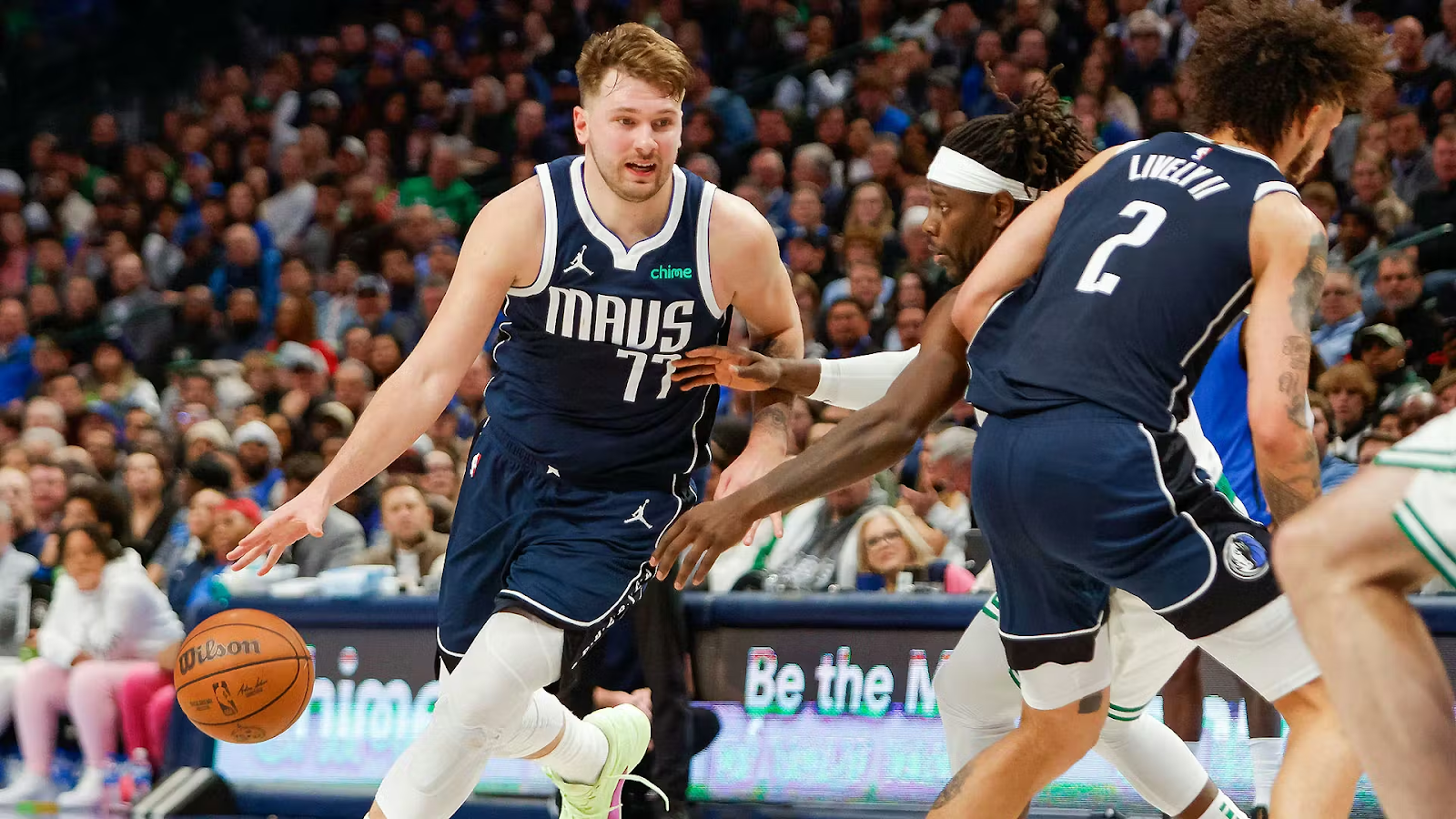
AAU basketball dominates American youth development, producing elite scorers and future NBA stars faster than ever. Yet critics argue it weakens fundamentals, team play, and long-term player health. At the same time, NBA teams are quietly adopting European basketball principles centered on ball movement, spacing, and decision-making. This article explores why these two systems collide—and how their tension is reshaping basketball’s future.
Introduction: Two Systems, One Sport, Moving in Opposite Directions
American basketball is overflowing with talent.
Never before have so many young players been able to shoot from deep, handle the ball confidently, and score in isolation at such a young age. Much of that talent flows through Amateur Athletic Union basketball, better known simply as AAU.
AAU has become the most powerful force in youth basketball. College scholarships, NBA draft stock, and endorsement opportunities are now closely tied to performance on AAU circuits.
Yet something fascinating is happening at the highest level of the sport.
While AAU continues to shape American players into explosive individual scorers, NBA teams are quietly studying—and copying—European basketball systems that emphasize patience, ball movement, and collective intelligence.
This is not a coincidence.
It is a correction.
How AAU Basketball Became America’s Superstar Factory
AAU basketball didn’t take over overnight. It filled a need.
College coaches needed efficient scouting. Shoe companies wanted early access to talent. Families wanted opportunity and exposure. AAU provided all of it in one place.
Over time, AAU replaced high school basketball as the primary evaluation platform for elite prospects.
Why AAU Produces Stars So Effectively
AAU basketball accelerates individual development in ways few systems can.
Players benefit from:
- Facing elite competition at young ages
- Playing under constant pressure
- Learning to perform in front of scouts and media
- Freedom to explore offensive creativity
Modern NBA stars such as Kevin Durant, LeBron James, and Jayson Tatum all emerged from AAU ecosystems that encouraged confidence, shot creation, and scoring aggression.
AAU excels at producing:
- Shot creators
- Isolation scorers
- Fearless competitors
- Players comfortable with big moments
In today’s NBA, those traits matter more than ever.
The Hidden Cost of AAU Dominance
The same system that produces superstars also creates deep structural problems.
Fundamentals Often Become Secondary
AAU teams typically:
- Play far more games than they practice
- Change lineups frequently
- Prioritize tournaments over teaching
As a result, many players arrive at college or the NBA lacking:
- Defensive awareness
- Off-ball movement habits
- Team spacing instincts
- Situational decision-making
Scoring travels easily.
Basketball intelligence must be developed deliberately.
Exposure Over Execution
In AAU culture, visibility often outweighs winning.
Players are rewarded for:
- High scoring totals
- Flashy highlights
- Dominating the ball
Team basketball takes a back seat. Passing, screening, and defensive discipline rarely attract attention from evaluators at crowded tournaments.
This creates habits that clash with professional systems, where:
- Ball movement creates advantages
- Decision speed matters
- Five players must function as one
NBA coaches spend years undoing instincts formed during youth basketball.
Overuse Injuries and Burnout
AAU basketball is rarely seasonal.
Many players compete:
- Year-round
- Across multiple leagues
- With minimal rest
Medical research consistently shows that early specialization and excessive competition increase the risk of overuse injuries, mental fatigue, and shortened careers.
The physical toll of constant exposure is real—and growing.
Meanwhile in Europe: A Completely Different Basketball Philosophy
While American basketball leaned heavily into exposure and individualism, European development systems evolved differently.
European basketball emphasizes:
- Team structure
- Fundamentals
- Decision-making
- Long-term development
Players train more than they play. Minutes are earned through execution, not reputation.
This is why European players often arrive in the NBA:
- More polished
- More adaptable
- More comfortable without the ball
The contrast between the two systems is striking—and increasingly influential.
Why NBA Teams Are Quietly Copying Europe’s Basketball Style
NBA front offices rarely announce philosophical shifts publicly. But on the court, the evidence is everywhere.
Ball Movement Over Ball Dominance
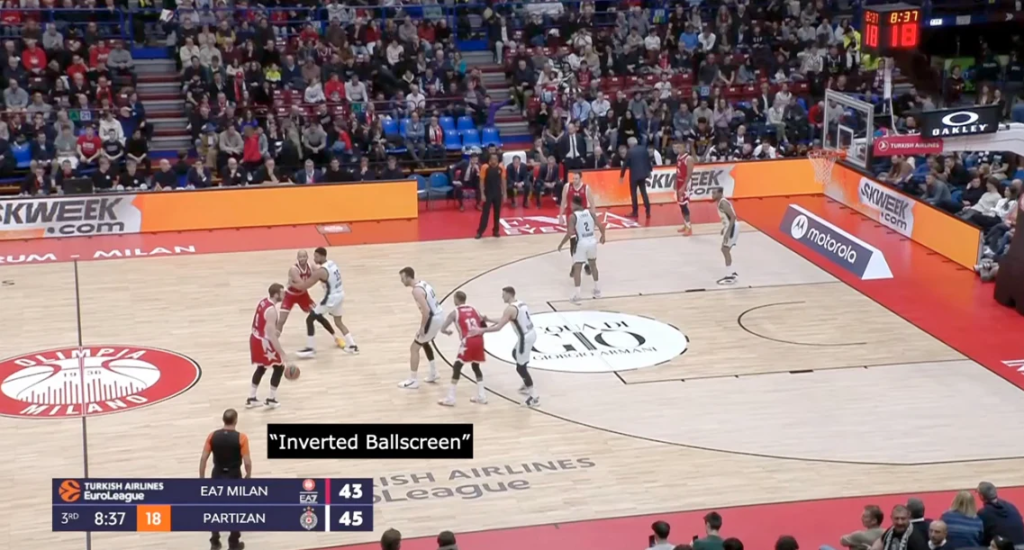
European offenses prioritize:
- Passing over dribbling
- Movement over isolation
- Collective advantage creation
NBA teams now run more:
- Motion actions
- Read-and-react sets
- Multi-option possessions
This shift directly counters isolation habits ingrained by AAU backgrounds.
Spacing as a Concept, Not Just a Shot
European spacing is not just about three-point shooting.
It focuses on:
- Occupying defenders
- Timing cuts precisely
- Manipulating help defense
NBA teams increasingly teach spacing as a decision-making tool, not a stationary alignment.
Development Over Immediate Results
European clubs invest years into player growth.
NBA teams, especially those developing young cores, are now doing the same—prioritizing:
- Basketball IQ
- Versatility
- Two-way impact
This mirrors European academy models far more than AAU tournament culture.
Real NBA Proof: European Influence Is Everywhere
The success of European-trained stars accelerated the shift.
Players like Nikola Jokic and Luka Doncic dominate not through speed or flash, but through:
- Vision
- Patience
- Precision
- Passing under pressure
They punish isolation defenses with intelligence rather than athleticism.
NBA teams are now building systems to replicate these advantages across entire rosters.
The Irony: NBA Teams Fixing What Youth Basketball Breaks
Here’s the uncomfortable truth:
AAU basketball creates incredible individual talent—but often weakens team habits.
European basketball builds team habits—but sometimes lacks American-style confidence and aggression.
The NBA blends both.
It encourages:
- AAU-level confidence
- European-level discipline
- Freedom within structure
This hybrid approach defines modern championship basketball.
What This Means for Young Players and Parents
For families navigating youth basketball, the takeaway is balance.
AAU exposure can be valuable—but it should never replace:
- Skill fundamentals
- Team concepts
- Rest and recovery
The most successful players combine:
- American creativity
- European discipline
- Basketball intelligence
Key Takeaways (Quick Scan)
- AAU creates elite individual talent quickly
- Fundamentals often lag behind exposure
- European basketball emphasizes IQ and structure
- NBA teams blend both systems to win
- Balance is the future of player development
Frequently Asked Questions (Trending US Searches)
1. What is AAU basketball?
Ans. AAU basketball is a club-based youth system focused on national tournaments, exposure, and elite competition outside of school basketball.
2. Does AAU basketball help players reach the NBA?
Ans. Yes. Most modern NBA players participated in AAU because it offers unmatched exposure and high-level competition.
3. Why do coaches criticize AAU basketball?
Ans. Coaches argue AAU prioritizes individual scoring and highlights over fundamentals, defense, and team play.
4. Why are NBA teams copying European basketball?
Ans. European systems emphasize ball movement, spacing, and decision-making—skills that translate better to playoff success.
5. Is European basketball better than American basketball?
Ans. It’s different, not better. European basketball prioritizes structure; American basketball prioritizes individual skill.
6. Are AAU players less fundamentally sound?
Ans. Some are. Limited practice time and exposure-driven incentives can weaken fundamentals if not balanced properly.
7. Do European players develop more slowly?
Ans. Often yes, but they tend to arrive more polished and adaptable at the professional level.
8. Can AAU basketball be improved?
Ans. Yes—by limiting games, increasing practice standards, and rewarding team success alongside exposure.
9. What should parents look for in youth basketball programs?
Ans. Coaching quality, fundamentals, rest, and development balance—not just tournament schedules.
10. Is this shift changing the future of basketball?
Ans. Absolutely. The future belongs to players who combine skill, intelligence, and team awareness.
Final Verdict: Basketball Is Quietly Correcting Itself
AAU basketball didn’t ruin the game—but it tilted it too far toward exposure and individualism.
European basketball didn’t replace American style—but it filled the gaps AAU left behind.
Now, the NBA exists at the intersection of both worlds, blending confidence with structure, freedom with discipline.
The best players—and the best teams—will come from balance.