Social media has reshaped modern basketball more than any rule change in recent history. Platforms like Instagram, TikTok, and YouTube now influence how players train, shoot, defend, and even define success. From highlight-driven shot selection to viral drills and digital recruiting, social media has transformed basketball culture, player development, and coaching strategy—bringing both powerful opportunities and serious challenges to the game.
Introduction: Basketball Changed Because the Feed Changed
Basketball didn’t evolve overnight because of a new rule or a revolutionary offense. It evolved because what players watch every day changed.
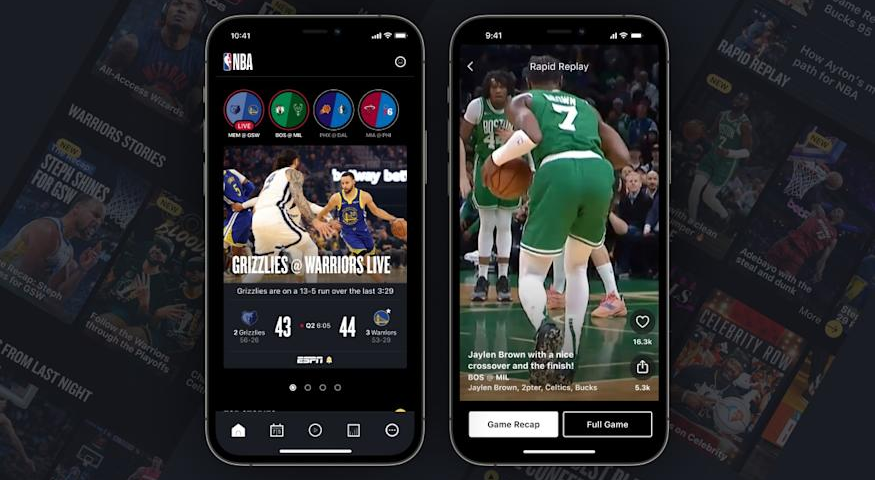
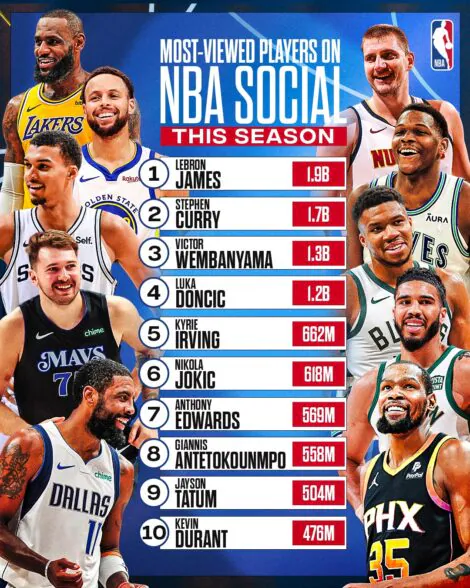
A generation ago, basketball learning happened in gyms, film rooms, and playgrounds. Today, it happens on phones. Young players now consume more basketball content through social media than through live games. Instagram highlights, TikTok drills, YouTube breakdowns, and viral mixtapes have become the most influential teachers in the sport.
This shift has altered how basketball is played at every level—youth, high school, college, and professional. The impact goes far beyond style. It affects decision-making, training habits, confidence, creativity, and even how success is measured.
Understanding this transformation is no longer optional. It’s essential for anyone who plays, coaches, or follows the game.
How Social Media Became Basketball’s New Classroom
The explosion of short-form video changed learning speed forever. Players no longer need access to elite coaches or expensive camps to see advanced skills. They can watch them instantly, repeatedly, and for free.
Studies and youth sports surveys consistently show:
- A majority of teenage basketball players learn new moves from social platforms
- Basketball ranks among the most-watched sports categories on TikTok and Instagram
- Players often try new skills the same day they see them online
This constant exposure has compressed the learning curve. Players attempt advanced techniques earlier than ever before. While this accelerates creativity, it can also bypass fundamentals.
Social media didn’t just democratize basketball knowledge—it accelerated it beyond traditional coaching timelines.
Why Shot Selection Has Changed So Dramatically
One of the clearest effects of social media is how players choose their shots.
Social platforms reward:
- Deep three-pointers
- Step-back jumpers
- Logo-range shots
- Difficult, contested makes
These plays generate engagement. As a result, players subconsciously prioritize practicing what they see celebrated online.
In real-life games, especially at the youth and high school level, coaches now see:
- More early-clock pull-up threes
- Fewer paint touches
- Less patience in offensive execution
The problem isn’t shooting confidence—it’s context. Social media rarely shows misses, defensive pressure, or the possession that led to the shot.
Coaches are now tasked with re-teaching shot value, not just shot form.
Highlight Basketball vs. Winning Basketball
Social media has amplified a long-standing tension in basketball: style versus substance.
Online content often emphasizes:
- One-on-one scoring
- Isolation dominance
- Flashy dribble packages
But winning basketball still relies on:
- Spacing
- Ball movement
- Defensive discipline
- Decision-making
Players raised on highlight culture sometimes struggle when asked to play within a system. Not because they lack skill—but because they were rewarded visually for individual success, not team efficiency.
Modern coaches now spend as much time teaching when not to do something as how to do it.
How Social Media Has Changed Basketball Training
Training culture has transformed dramatically.
In the past, workouts were private and process-focused. Today, they are often:
- Filmed
- Edited
- Posted
Many trainers now build reputations through content. Players expect visible progress, not just improvement.
This has led to:
- More creative drills
- Increased emphasis on guard skills
- Greater confidence in ball-handling
However, it has also created a market for drills that look impressive but lack game transfer. Coaches now differentiate between camera drills and competition drills.
The TikTok Effect on Skill Development
Short-form platforms favor speed, novelty, and visual complexity.
As a result, players often focus on:
- Multi-move dribble combinations
- Unrealistic finishes
- Moves performed without defenders
These skills can build coordination and confidence, but they often fail under real defensive pressure.
Still, social media has expanded creativity, especially among guards, and given players permission to experiment. The challenge is balance.
How Basketball IQ Is Being Shaped Online
Not all social media influence is negative.
Long-form breakdowns and analysis videos have helped many players and fans understand:
- Defensive rotations
- Offensive spacing
- Game reads and counters
Some players today develop basketball IQ earlier because they consume strategy content daily.
The key difference lies in content quality. Learning from experienced coaches and analysts builds understanding. Learning only from highlights builds habits.
Recruiting and Exposure in the Social Media Era
Social media has reshaped basketball recruiting.
Players from smaller schools or overlooked regions can now:
- Share highlights directly
- Build personal brands
- Gain early exposure
College coaches increasingly use social platforms as a discovery tool, especially during early evaluation stages.
However, highlights still don’t show:
- Defensive effort
- Consistency
- Coachability
Social media opens doors, but performance keeps them open.
How Coaches Are Adapting to the Social Media Generation
Coaches know they are competing with players’ feeds.
To adapt, many now:
- Use video breakdowns during practice
- Reference viral clips as teaching tools
- Encourage intentional content consumption
Some programs even guide players toward educational basketball content instead of random highlights.
Modern coaching requires media literacy, not just tactical knowledge.
The Psychological Pressure of Online Visibility
Social media adds a new layer of evaluation.
Players now feel judged by:
- Followers
- Views
- Engagement
This can boost motivation but also create anxiety, especially for young athletes. Some players equate online attention with self-worth, which can damage confidence when engagement drops.
Coaches and parents increasingly emphasize separating online validation from real improvement.
Is Social Media Helping or Hurting Basketball?
The truth is complex.
Benefits include:
- Increased access to knowledge
- Greater creativity and confidence
- Expanded exposure opportunities
Challenges include:
- Poor shot selection
- Unrealistic expectations
- Style over efficiency
Social media itself is neutral. How it’s used determines its impact.
What Players, Parents, and Coaches Should Do
Social media isn’t going away. Fighting it rarely works.
Instead, experts recommend:
- Teaching players how to filter content
- Explaining game-context differences
- Reinforcing fundamentals alongside creativity
When guided correctly, social media becomes a powerful learning tool instead of a distraction.
The Future of Basketball in a Social Media World
Looking ahead, basketball will continue evolving alongside digital platforms.
Expect:
- More player-led education
- Better analytics-based content
- Increased emphasis on efficiency to counter highlight culture
Basketball isn’t losing its identity. It’s adapting to a new environment.
Key Takeaways
- Social media influences how basketball is played and learned
- Highlights shape shot selection and style
- Coaches must now teach decision-making more intentionally
- The right content improves basketball IQ
- Balance is the key to long-term success
Frequently Asked Questions (FAQ)
1. How has social media changed the way basketball is played?
Ans. Social media has influenced shot selection, training habits, player creativity, and how athletes learn and evaluate the game.
2. Is social media making basketball worse?
Ans. Not inherently. It increases creativity and access to knowledge but can hurt efficiency without proper guidance.
3. Why do players take more deep three-pointers now?
Ans. Because social media rewards long-range shots with visibility, likes, and shares.
4. Do coaches watch players’ social media highlights?
Ans. Yes, especially during early evaluation, but live performance still matters most.
5. Are TikTok basketball drills effective?
Ans. Some are helpful, but many lack real-game application. Context and coaching matter.
6. How should young players use social media?
Ans. As a learning and motivation tool—not as a measure of self-worth or skill level.
7. Has social media improved basketball IQ?
Ans. Yes, when players consume high-quality breakdown and analysis content.
8. Why do coaches dislike highlight-style basketball?
Ans. Because it often prioritizes individual style over team efficiency and decision-making.
9. Can social media help underrated players get recruited?
Ans. Absolutely. It has created new exposure opportunities for overlooked athletes.
10. Will social media continue to change basketball?
Ans. Yes. Its influence will grow as platforms and content formats evolve.