
 By Hannah Wright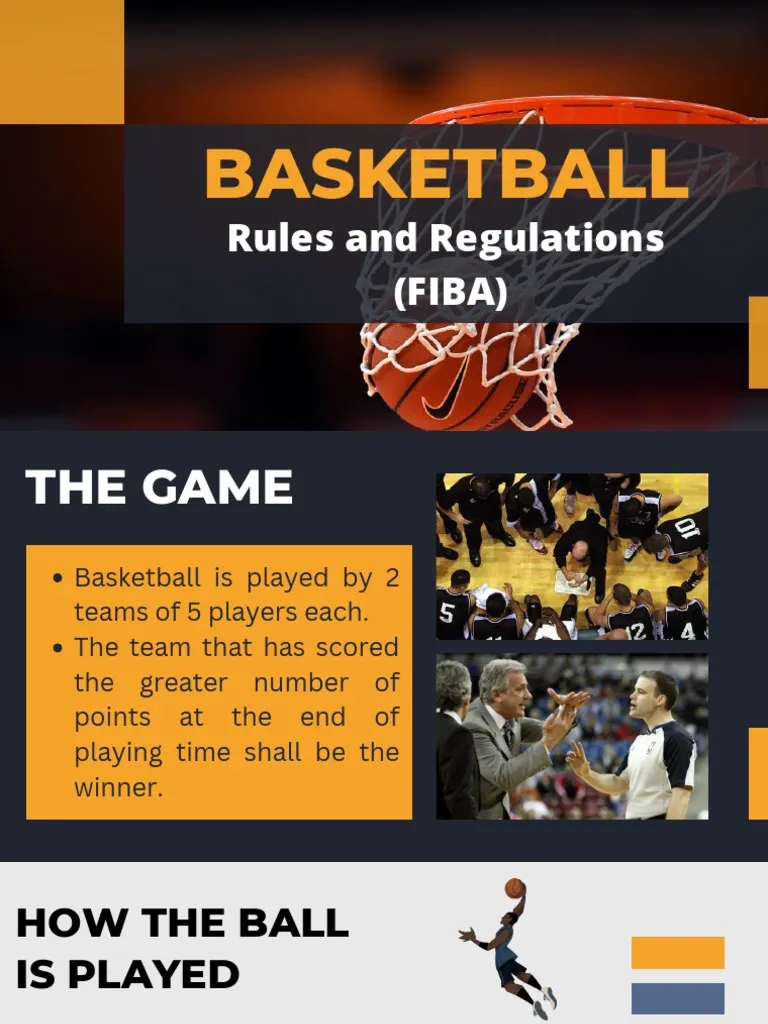
FIBA’s recent rule changes are reshaping international basketball and exposing weaknesses in Team USA’s NBA-centric approach. While the updates promote fairness, flow, and global competitiveness, they also neutralize traditional American advantages. This deep analysis explains what changed, why it matters, and whether these rules are ultimately helping or hurting the United States on the world stage.
Introduction: Why FIBA Rule Changes Are Suddenly a Big Deal in America
For years, international basketball followed a predictable narrative. Team USA showed up with superior talent, relied on athleticism and star power, and usually walked away with gold. Rule differences between the NBA and FIBA existed, but they were rarely decisive.
That reality has changed.
In recent international tournaments, Team USA has looked vulnerable—sometimes outmatched—not because of talent gaps, but because of how the game is being played. Close losses, physical battles, and tactical defeats have sparked intense debate among fans, analysts, and former players.
At the center of the controversy are FIBA’s evolving rules.
Are these changes making the global game better?
Are they exposing flaws in American basketball development?
Or are they quietly stacking the deck against Team USA?
To answer those questions honestly, we need to go beyond headlines and examine how FIBA’s rule philosophy intersects with America’s basketball identity.
What Exactly Changed Under FIBA Rules?
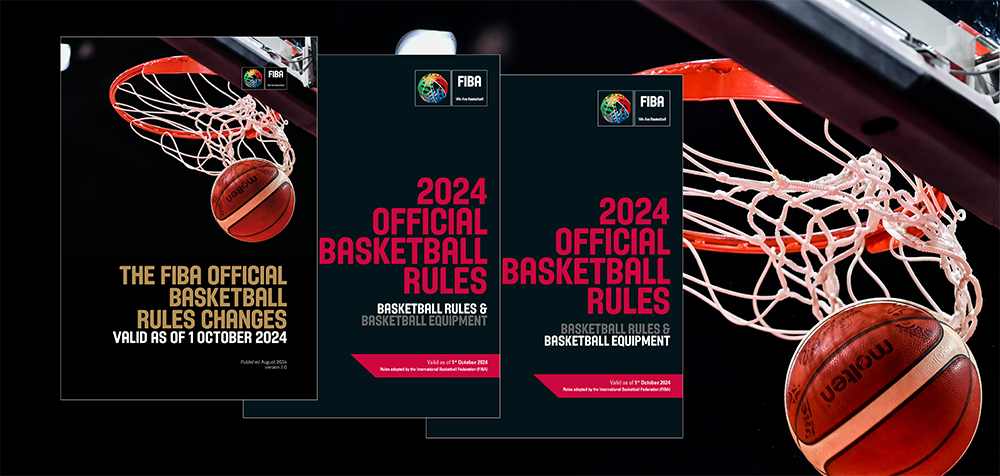
The FIBA Basketball World Cup has long operated under a different rulebook than the NBA, but recent emphasis changes have made those differences more impactful than ever.
While no single rule overhaul occurred, FIBA has increasingly focused on:
- Allowing more physical defense
- Reducing stoppages and foul-baiting
- Enforcing stricter footwork and traveling standards
- Encouraging continuous, team-oriented play
Individually, these may seem minor. Collectively, they reshape how basketball is played—and who thrives.
Why FIBA Felt the Need to Adjust the Rules
To understand whether these changes are “good” or “bad” for Team USA, it’s important to understand why FIBA made them.
FIBA’s goals were not to weaken any single country. Instead, the organization aimed to:
- Increase competitive balance between nations
- Prevent talent-heavy teams from dominating through isolation
- Make games more engaging globally
- Promote skill, structure, and teamwork
For decades, many international federations argued that NBA-style rules favored athletic mismatches and star whistles. FIBA responded by doubling down on its identity: physical, fast, and fundamentally sound basketball.
Ironically, those principles now challenge the very country that helped popularize the sport worldwide.
The Physicality Gap: Where Team USA Feels It Most
One of the most noticeable differences for American fans is how physical FIBA games are.
In international play:
- Contact on drives is often ignored
- Post defense is more aggressive
- Offensive players rarely get “star calls”
This is a shock to many NBA players, especially scorers who rely on free throws to maintain efficiency.
Real-Life Impact
An NBA player who averages double-digit free throws per game may struggle to reach the line at all in FIBA competition. As a result:
- Scoring efficiency drops
- Frustration builds
- Offensive rhythm disappears
International teams, raised under these rules, see this as normal. Team USA often sees it as unfair—at least initially.
Goaltending Rules That Quietly Neutralize Athleticism
Another overlooked but critical difference lies in goaltending.
Under FIBA rules:
- Once the ball touches the rim, it is live
- Players can knock the ball away mid-bounce
- There is no imaginary cylinder like in the NBA
This rule directly affects one of Team USA’s biggest advantages: vertical athleticism.
In the NBA, elite athletes dominate with tip-ins, lobs, and second-chance points. In FIBA play, defenders can legally erase many of those opportunities.
The result?
American teams lose easy points they’re accustomed to getting.
Shorter Games, Smaller Margin for Error
FIBA games last 40 minutes, not 48.
That eight-minute difference changes strategy dramatically.
Shorter games mean:
- Fewer possessions
- Less time to recover from slow starts
- Greater impact from single scoring runs
Historically, Team USA relied on depth and pace to overwhelm opponents late. In FIBA games, there often isn’t enough time for that talent advantage to fully materialize.
A bad quarter can decide everything.
Traveling and Footwork: NBA Habits Under Scrutiny
Another area where FIBA rules expose NBA tendencies is footwork.
FIBA enforces:
- Stricter traveling calls
- Tighter gather-step interpretations
- Less tolerance for rhythm dribbles
Moves that are legal—or ignored—in the NBA are often whistled internationally. This affects:
- Isolation scorers
- Step-back shooters
- Players who rely on hesitation moves
International players learn these restrictions from a young age. Many American stars encounter them only during major tournaments, when adjustments are hardest to make.
Are These Rule Changes Actually Good for Basketball?
From a global perspective, the answer is largely yes.
FIBA’s rules:
- Reduce talent gaps
- Reward preparation and discipline
- Encourage ball movement and teamwork
- Create unpredictable outcomes
These qualities have helped drive rising global interest and viewership. Fans enjoy seeing systems compete with stars—and sometimes win.
For the sport itself, that’s healthy.
For Team USA, it’s challenging.
Does This Mean FIBA Rules Are “Anti-USA”?
This is where emotion often overrides logic.
FIBA did not change its rules to target the United States. Instead, it designed a system that:
- Levels the playing field
- Reduces reliance on individual dominance
- Rewards cohesion and fundamentals
The issue isn’t that the rules are anti-USA.
It’s that the USA adapted slower than others.
That’s a preparation problem, not a rule problem.
Where Team USA Still Has a Clear Advantage
Despite recent struggles, Team USA remains uniquely powerful.
Even under FIBA rules, the USA benefits from:
- Unmatched depth
- Defensive versatility
- Shot creation under pressure
- High-level athletic conditioning
The difference between winning and losing often comes down to roster construction and preparation, not ability.
When Team USA prioritizes players with:
- International experience
- Physical toughness
- Playmaking skills
The results improve dramatically.
Real-Life Lesson: Experience Beats Reputation
Recent tournaments have revealed a clear trend.
Teams with:
- Long-term chemistry
- Defined roles
- Familiarity with FIBA rules
Often outperform more talented but newly assembled American squads.
Talent still matters—but experience matters more than it used to.
What Team USA Must Do to Adapt
To consistently dominate under modern FIBA rules, Team USA needs to:
- Select players who embrace physical play
- Reduce reliance on isolation scoring
- Commit to longer preparation windows
- Value international experience in roster decisions
Other countries have already adjusted. The USA must do the same.
Key Takeaways (Quick Scan)
- FIBA rules emphasize physicality and flow
- NBA habits don’t always translate internationally
- Shorter games magnify mistakes
- Goaltending rules reduce athletic advantages
- Team USA still has elite talent
- Adaptation—not ability—is the deciding factor
Frequently Asked Questions (FAQs)
1. What are the biggest FIBA rule changes affecting Team USA?
Ans. Increased physicality, different goaltending rules, shorter game length, and stricter traveling enforcement have the biggest impact.
2. Are FIBA rules harder than NBA rules?
Ans. Not harder—just different. They prioritize flow, toughness, and team basketball over individual freedom.
3. Do FIBA rules favor international teams?
Ans. They favor teams accustomed to them, which currently includes most non-U.S. national teams.
4. Why does Team USA struggle with physical play in FIBA?
Ans. NBA officiating protects offensive players more, making the FIBA style an adjustment.
5. Is the shorter game length bad for Team USA?
Ans. It reduces margin for error and makes slow starts more costly.
6. Are FIBA rules responsible for Team USA losses?
Ans. Partially—but preparation, chemistry, and roster construction are equally important.
7. Will FIBA change these rules again?
Ans. Minor tweaks may occur, but the core philosophy is likely to remain.
8. Do NBA players dislike FIBA rules?
Ans. Some struggle initially, but many adapt and succeed with experience.
9. Can Team USA dominate again under these rules?
Ans. Yes—if it prioritizes adaptation over reputation.
10. Are FIBA rule changes good for basketball overall?
Ans. Most experts agree they improve competitiveness and global engagement.
Final Verdict: Good or Bad for USA?
FIBA’s new rule environment isn’t inherently bad for Team USA—but it punishes complacency.
The era of winning purely on talent is over. Success now requires preparation, chemistry, and respect for the international game.
If Team USA adapts, it can still lead the world.
If it doesn’t, the gap will continue to close.