
 By Andrew Sullivan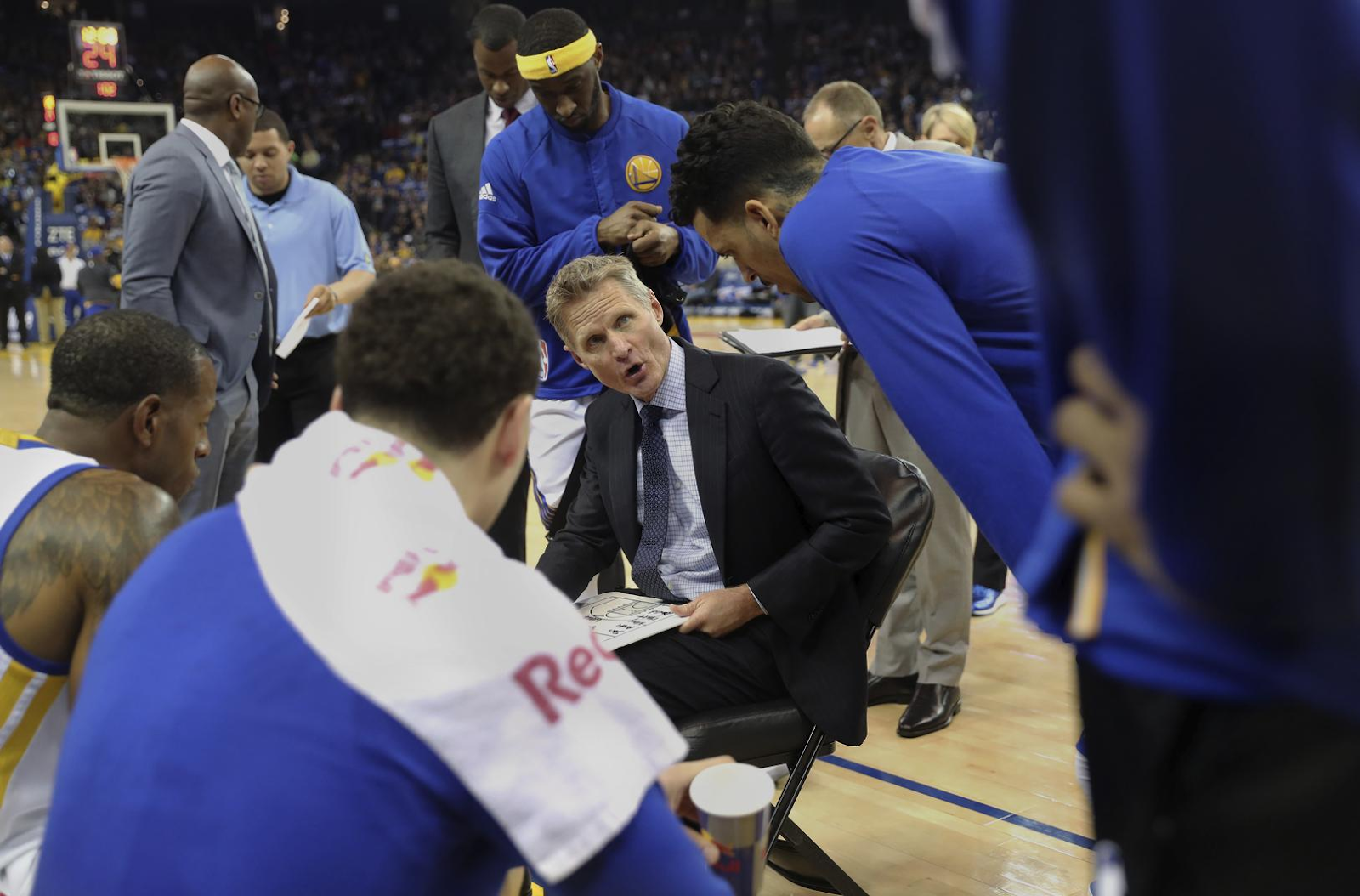
Olympic basketball is often presented as a pure test of global talent, but the reality is far more complex. Behind the medals lie funding gaps, rule advantages, talent migration, political pressure, and unequal development systems. This long-form analysis uncovers seven uncomfortable truths about Olympic basketball, supported by real examples and data, explaining why true global parity remains more myth than reality.
Introduction: The Illusion of Equality in Olympic Basketball
Every four years, Olympic basketball captivates millions of fans across the United States and around the world. The idea is simple and powerful: the best players from each country come together to decide which nation truly rules the sport. Flags wave, anthems play, and national pride reaches its peak.
But behind this inspiring spectacle is a far less romantic reality.
Olympic basketball is not an even playing field. Some countries benefit from massive financial backing, elite development pipelines, and decades of institutional stability. Others struggle with underfunded federations, political interference, and limited access to top-level competition. While the gap has narrowed over time, structural inequalities still heavily influence outcomes.
In this article, we break down seven brutal facts about Olympic basketball that many countries—and even fans—prefer not to discuss openly. These insights are essential for anyone who wants to truly understand how international basketball works beyond the highlight reels.
Brutal Fact #1: Olympic Basketball Is Quietly Dominated by American Development Systems
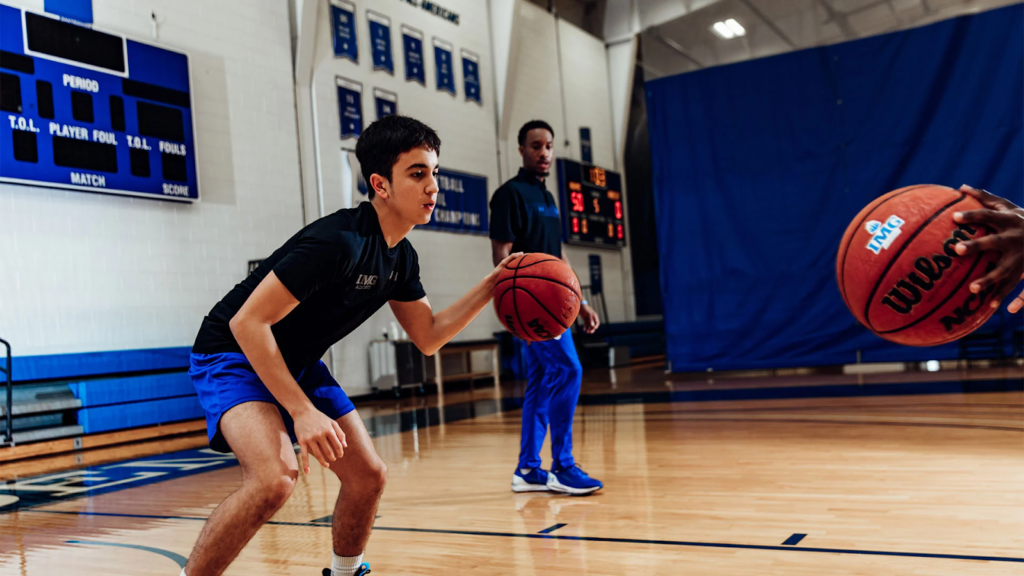
Olympic basketball appears international on the surface, but a closer look reveals a striking pattern: many of the world’s best non-American players are developed in the United States.
Across Europe, Africa, and Asia, elite prospects increasingly leave their home countries as teenagers to pursue opportunities in:
- U.S. prep schools
- The NCAA college basketball system
- NBA-affiliated development leagues
While these players proudly represent their home nations, their basketball identities are shaped by American coaching philosophies, facilities, and competition structures.
This dynamic creates a paradox. Countries invest in grassroots programs only to see their most talented players finish their development elsewhere. Domestic leagues weaken, and national teams become dependent on athletes shaped by foreign systems.
The uncomfortable truth is that Olympic basketball often becomes a competition between American-trained players wearing different jerseys, rather than a pure showcase of national development.
Brutal Fact #2: International Rules Subtly Favor Certain Countries
Olympic basketball is governed by FIBA, not the NBA. While fans are often told these rules “balance” the game, they actually reward teams that grow up playing under them.
Key rule differences include:
- A shorter three-point line
- No defensive three-second violation
- More physical on-ball defense
- Legal touching of the ball on the rim after it hits
Countries like Spain, Serbia, and France design their youth systems around these rules from an early age. Meanwhile, American players must quickly adjust after long NBA seasons played under very different standards.
This doesn’t mean the rules are unfair—but they reward familiarity over adaptability, which matters enormously in short tournaments like the Olympics.
Brutal Fact #3: The Financial Gap Between National Programs Is Enormous
Not all Olympic teams arrive with the same level of preparation, and money plays a huge role in that difference.
Programs like USA Basketball benefit from:
- NBA partnerships
- Advanced analytics departments
- Year-round training camps
- Access to elite medical and recovery staff
In contrast, many national federations operate on tight budgets, relying on government funding or limited sponsorships. Some struggle to afford insurance coverage for NBA players, while others can’t host extended training camps.
According to international basketball development reports, a majority of federations lack the resources to maintain consistent elite preparation cycles. This financial imbalance widens the gap long before the opening tip-off.
Brutal Fact #4: NBA Participation Is Uneven and Politically Complicated
Fans often assume every country sends its absolute best players to the Olympics. In reality, NBA participation varies dramatically.
Reasons include:
- Conflicts between NBA teams and national federations
- Injury risks after long professional seasons
- Insurance and contract disputes
- Political pressure from domestic leagues or governments
Some federations aggressively push players to compete regardless of health concerns, while others lack the leverage to secure releases from NBA franchises.
As a result, Olympic basketball often reflects who is available, not necessarily who is best.
Brutal Fact #5: Coaching Continuity Beats Star Power More Often Than Fans Realize
In Olympic basketball, chemistry and continuity often matter more than individual stardom.
Several successful international programs rely on:
- Long-tenured head coaches
- Stable offensive and defensive systems
- Core groups of players who compete together for years
These teams may lack headline-grabbing superstars but excel in execution and trust. Meanwhile, star-heavy rosters assembled weeks before the Olympics often struggle with cohesion.
History shows that some of the most shocking Olympic upsets occurred not because underdogs had superior talent—but because they were better prepared as a unit.
Brutal Fact #6: Officiating Consistency Remains a Major Challenge
Olympic basketball referees come from all over the world, bringing different training backgrounds and interpretations of physical play.
Common issues raised by players and coaches include:
- Inconsistent foul thresholds
- Varying interpretations of contact
- Unpredictable enforcement from game to game
While there is no credible evidence of systematic bias, the lack of uniformity can significantly influence momentum and strategy in high-stakes games.
Quietly, many teams spend extensive time preparing for officiating tendencies—not just opponents.
Brutal Fact #7: Media Narratives Hide Structural Advantages
Olympic basketball coverage often frames competition as “USA vs the World,” but this oversimplification hides deeper truths.
Media narratives rarely address:
- Resource concentration
- Development pipeline advantages
- Governance and funding disparities
By focusing solely on wins and losses, coverage avoids discussing why certain countries consistently contend for medals while others struggle to break through.
The result is a polished story of global parity that doesn’t fully reflect reality.
Why These Brutal Facts Matter to American Fans
For American audiences, understanding these realities adds important context:
- Olympic gold medals are earned, not guaranteed
- Losses often reflect systemic issues, not effort
- Global competition is improving, but unevenly
Olympic basketball remains one of the most compelling international sports—but appreciating it fully requires looking beyond surface-level narratives.
Final Takeaways: The Real Lessons of Olympic Basketball
Olympic basketball is not just about talent. It is shaped by:
- Development systems
- Financial power
- Coaching stability
- Rule familiarity
- Political and organizational realities
Until these factors are more evenly distributed, true global parity will remain aspirational rather than real.

Frequently Asked Questions (FAQ)
1. Is Olympic basketball harder than the NBA?
Ans. In many ways, yes. Short tournaments, physical play, unfamiliar rules, and inconsistent officiating create unique challenges even for NBA superstars.
2. Why don’t all countries send their best NBA players?
Ans. Injuries, contract restrictions, insurance issues, and conflicts between leagues and federations often prevent full participation.
3. Do FIBA rules limit American dominance?
Ans. Not intentionally. However, teams raised under FIBA rules naturally benefit from greater familiarity and system continuity.
4. How big is the funding gap between national programs?
Ans. Massive. Elite programs have NBA-level resources, while many federations operate under severe financial constraints.
5. Why do underdog teams sometimes beat favorites?
Ans. Coaching continuity, chemistry, and discipline often outperform raw talent in short competitions like the Olympics.
6. Are Olympic referees biased?
Ans. There is no proven systemic bias, but inconsistent interpretations of contact remain a common concern.
7. Has international basketball really caught up to the USA?
Ans. The gap has narrowed, but structural advantages still favor a small group of well-resourced programs.
8. Why is Olympic basketball more physical than the NBA?
Ans. FIBA rules allow more contact and emphasize team defense over spacing and isolation.
9. Does Olympic basketball still matter to players?
Ans. Absolutely. For many athletes, winning an Olympic medal carries more national significance than professional titles.
10. Will Olympic basketball ever reach true parity?
Ans. Only if development resources, governance transparency, and player access become more evenly distributed worldwide.