
 By Brandon Lewis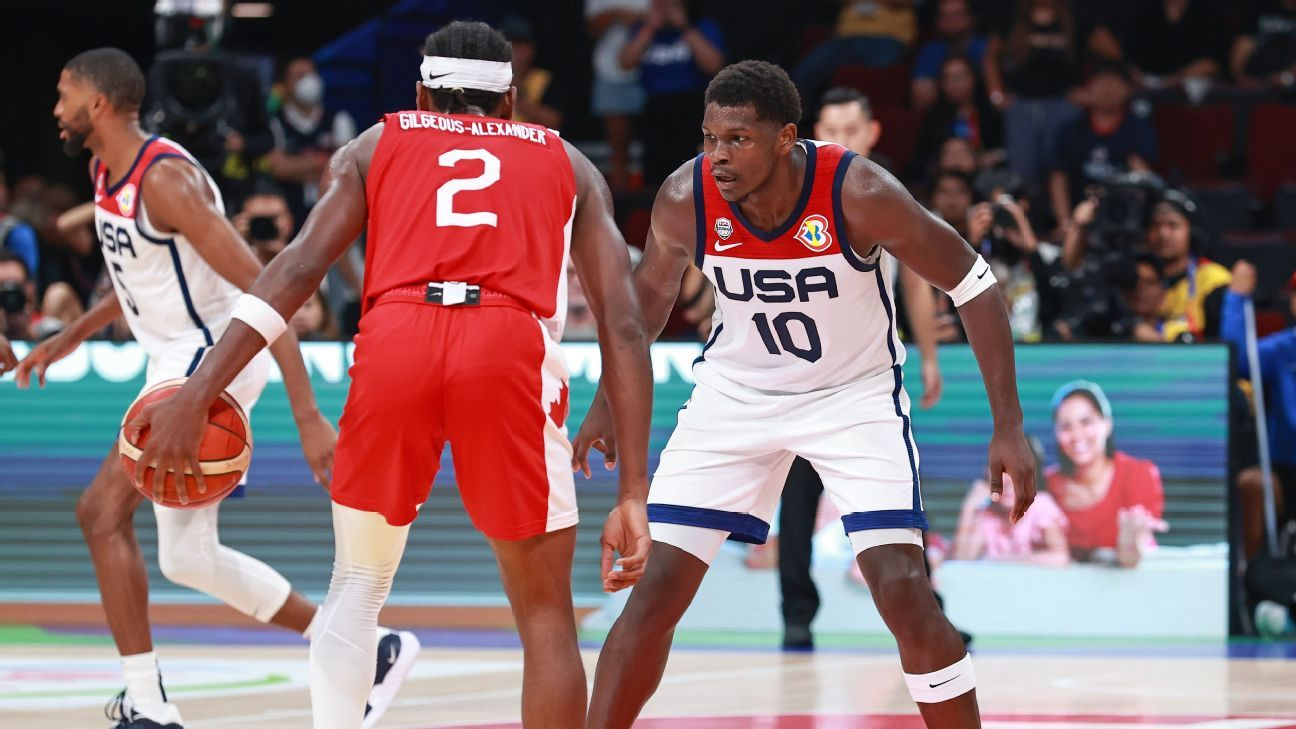
This Olympic basketball tournament is shaping up to be the most punishing in modern history. With unprecedented global talent depth, physically demanding FIBA rules, compressed schedules, and relentless pressure on favorites like Team USA, there is no margin for error. Every game feels like a knockout, and survival—not dominance—may define success.
Why American Fans Are Suddenly Calling This Olympics “Brutal”
For decades, Olympic basketball felt predictable for American audiences. The question wasn’t who would win gold—it was by how much. That mindset has changed dramatically.
Search trends in the U.S. now show fans asking:
- Why do Olympic basketball games feel so intense?
- Why does Team USA look exhausted?
- Is this the toughest Olympic field ever?
These questions aren’t rooted in panic. They’re rooted in what fans are watching unfold on the court.
Games are tighter. Physicality is higher. Even elite teams are pushed to the edge. This Olympics doesn’t resemble a showcase—it resembles a grind.
The Death of “Easy Wins” in Olympic Basketball
One of the clearest reasons this tournament feels brutal is the disappearance of easy matchups.
Global basketball development has exploded. Countries that once relied on a single NBA player now field entire rotations of professionals who:
- Play in top European leagues
- Compete together year-round
- Understand international systems deeply
This means no opponent arrives intimidated. Every team believes it can win, and many are right.
In previous Olympics, favorites could survive slow starts. In this one, slow starts end medal hopes.
Why Global Parity Has Reached a Breaking Point
Basketball is no longer an American export—it’s a global craft.
The rise of international stars has created a domino effect:
- Youth development programs improved worldwide
- Coaching philosophies modernized
- Tactical discipline increased
As a result, Olympic basketball has become a battlefield of equals rather than a hierarchy of giants and underdogs.
The brutality isn’t accidental—it’s structural.
The Physical Toll: Why Bodies Break Down Faster Than Ever
Olympic basketball has always been physical, but this tournament amplifies the punishment.
Several factors converge:
- Players arrive after long professional seasons
- Recovery time between games is limited
- FIBA rules allow more contact
- Athleticism is elite across all rosters
The cumulative effect is exhaustion.
Even the best-conditioned athletes struggle as the tournament progresses. Legs get heavy. Shots fall short. Defensive rotations slow by half-seconds that decide games.
This Olympics doesn’t test skill—it tests endurance.
FIBA Rules: The Hidden Reason This Tournament Hurts More
Many American fans underestimate the impact of FIBA rules on game difficulty.
Key differences include:
- Physical on-ball defense
- No defensive three-second violations
- Fewer whistles
- Tighter spacing
These rules reward discipline and punish improvisation.
NBA stars accustomed to freedom of movement suddenly find driving lanes clogged and contact ignored by officials. Adjusting mentally and physically in a short window is brutally difficult.
The Psychological Weight of Being the Favorite
For teams like Team USA, brutality isn’t just physical—it’s mental.
Every game carries:
- National scrutiny
- Media pressure
- Fan expectation
Close wins feel like failures. Losses feel catastrophic.
Meanwhile, opponents play loose, aggressive, and fearless. That psychological imbalance creates pressure situations that feel more like Game 7s than group-stage matchups.
Mental fatigue compounds physical fatigue—and neither shows up on a stat sheet.
Short Tournament, Zero Forgiveness
Unlike professional leagues, Olympic basketball offers no safety net.
There is:
- No seven-game series
- No long adjustment period
- No room for experimentation
One bad night can end everything.
This format magnifies randomness, rewards preparation, and punishes mistakes instantly. Teams must peak immediately or risk elimination.
That urgency makes every possession feel heavy—and exhausting.
Why Depth Is the Ultimate Weapon in This Olympics
In a brutal tournament, depth becomes more valuable than star power.
As fatigue sets in:
- Bench minutes increase
- Defensive specialists matter
- Versatility becomes critical
Teams without reliable depth struggle to maintain intensity across multiple games.
This is why even stacked rosters feel vulnerable. One injury or foul-trouble stretch can swing an entire tournament.
Depth isn’t a luxury—it’s survival equipment.
Real-World Patterns Fans Are Already Noticing
Recent international competitions offer warning signs.
Elite teams have:
- Dropped exhibition games
- Struggled early in group play
- Needed late-game heroics to survive
These aren’t anomalies. They’re previews.
Olympic basketball magnifies pressure and exposes weaknesses faster than any other stage.
Why International Teams Thrive in Brutal Conditions
Many international teams are built for this environment.
They:
- Play together consistently
- Emphasize systems over stars
- Are comfortable grinding out low-scoring wins
Their players don’t need to adjust to FIBA rules—they live in them.
As the tournament wears on, that familiarity becomes a decisive advantage.
The Invisible Grind Fans Rarely See
Beyond the games, the Olympic experience itself is draining.
Players endure:
- Long travel days
- Media obligations
- Security restrictions
- Limited personal downtime
These factors accumulate quietly.
By the later rounds, mental clarity becomes as important as physical ability.
This hidden grind is part of what makes this Olympics uniquely punishing.
Why Brutality Is Often Misread as Decline
Some fans interpret close games as evidence of decline.
In reality, they reflect resistance.
The world has caught up strategically. The competition is deeper. The margin is thinner.
Brutality doesn’t signal weakness—it signals growth.
The Core Reasons This Olympics Is the Most Brutal (Quick Scan)
- Unprecedented global parity
- Physical FIBA rule enforcement
- Compressed, unforgiving schedule
- Extreme psychological pressure
- Zero margin for error
- Depth and chemistry over reputation
What This Means for Gold Medal Expectations
Gold medals in this Olympics won’t be handed out.
They will be earned through:
- Physical resilience
- Tactical discipline
- Mental toughness
Every team that reaches the podium will have survived a war of attrition.
How Elite Teams Are Preparing for This Reality
Preparation has evolved.
Top programs now emphasize:
- Early roster commitment
- Defined roles
- Defensive versatility
- Managing fatigue before arrival
The focus is no longer dominance—it’s durability.
Why This Brutality Is Good for the Sport
While uncomfortable, this level of difficulty elevates Olympic basketball.
Fans get:
- Higher intensity
- Genuine stakes
- Meaningful victories
The Olympics feel less like exhibitions and more like championships.
That authenticity is good for the global game.
Frequently Asked Questions
1. Why is this Olympic basketball tournament considered more brutal than past ones?
Ans. Because global talent depth, physical FIBA rules, compressed schedules, and extreme pressure have combined to shrink the margin for error.
2. Is Olympic basketball more physical than the NBA?
Ans. Yes. FIBA rules allow more contact and fewer whistles, especially on the perimeter.
3. Why do NBA stars struggle more in the Olympics?
Ans. Due to role changes, physical defense, limited spacing, and minimal adjustment time.
4. Does the short tournament format make things harder?
Ans. Absolutely. One poor performance can eliminate even the best teams.
5. Are international teams better prepared for this environment?
Ans. Often yes, because they play together longer and are fully accustomed to FIBA rules.
6. Why does Team USA face more pressure than others?
Ans. Expectations of gold create intense psychological pressure and constant scrutiny.
7. How important is roster depth in Olympic basketball?
Ans. Critical. Fatigue and foul trouble make reliable bench production essential.
8. Is this the toughest Olympic basketball field ever?
Ans. Many analysts believe so due to unprecedented parity and depth.
9. Does fatigue affect late-round games significantly?
Ans. Yes. Fatigue impacts shooting, defense, and decision-making under pressure.
10. Is brutal competition good or bad for Olympic basketball?
Ans. Good. It makes victories meaningful and elevates the sport globally.
Final Thought
This Olympics won’t be remembered for blowouts or style points.
It will be remembered for survival.
Every win will hurt. Every medal will cost something. And every champion will have earned it the hard way.
That isn’t a flaw of Olympic basketball—it’s its highest standard.