
 By Jonathan Reed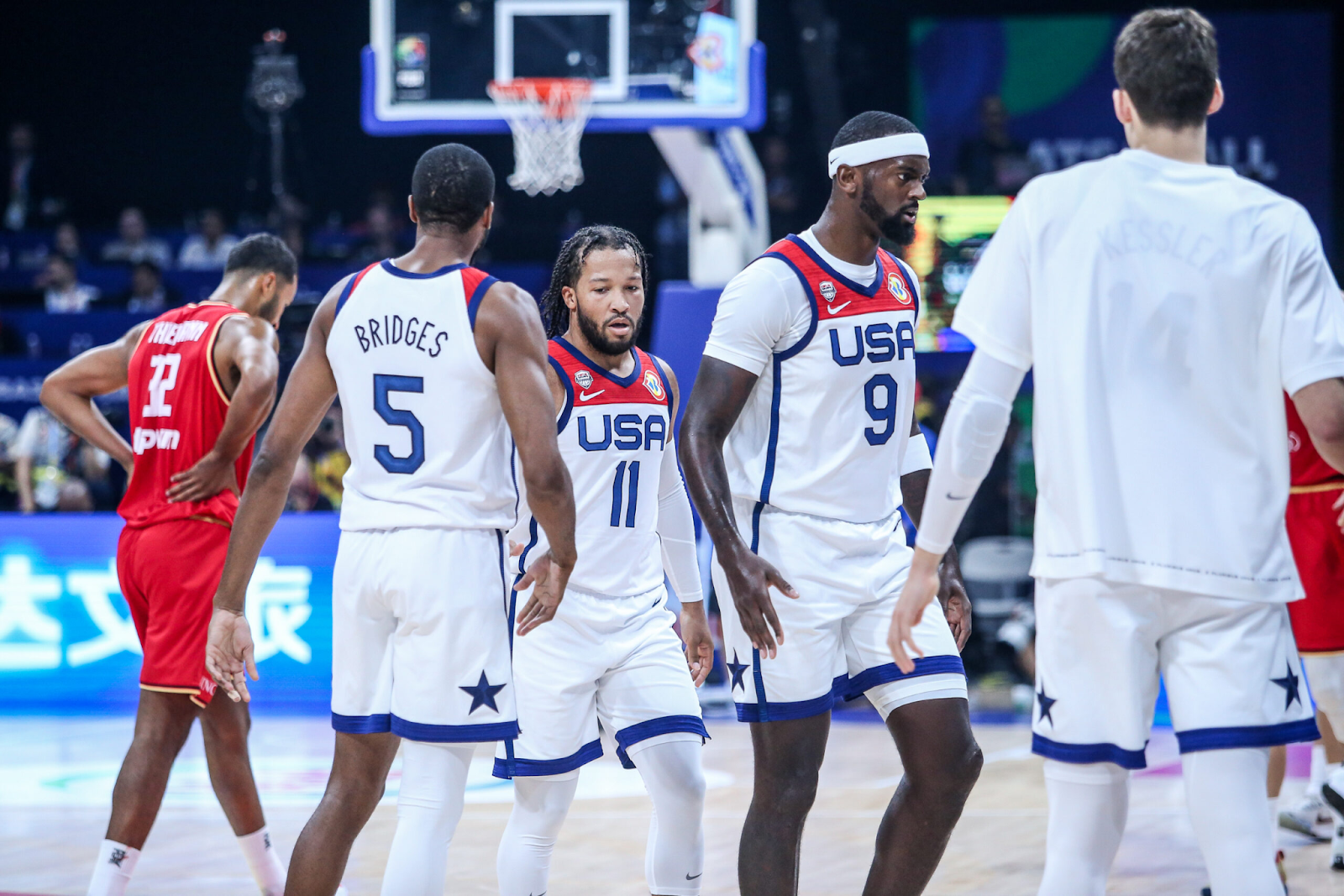
Olympic basketball is often portrayed as a guaranteed triumph for American stars, but the reality is far more demanding. Behind the gold-medal expectations lie physical exhaustion, rule adjustments, chemistry challenges, and rising global competition. This deep dive explores the hidden truths of Olympic basketball—revealing why the gap between dream and reality continues to surprise fans, players, and analysts alike.
Why Olympic Basketball Feels Different to American Fans Today
For decades, Olympic basketball represented the ultimate confirmation of American dominance. Fans expected blowouts, highlight reels, and podium finishes that felt inevitable rather than earned.
But recently, something has shifted.
American audiences are increasingly asking why Olympic basketball feels harder, tighter, and more stressful than it used to. Close games now feel uncomfortable instead of routine. Even victories spark debate rather than celebration.
This isn’t nostalgia talking—it’s reality catching up to perception.
Olympic basketball has evolved, and the dream many fans grew up with no longer matches what actually happens on the court.
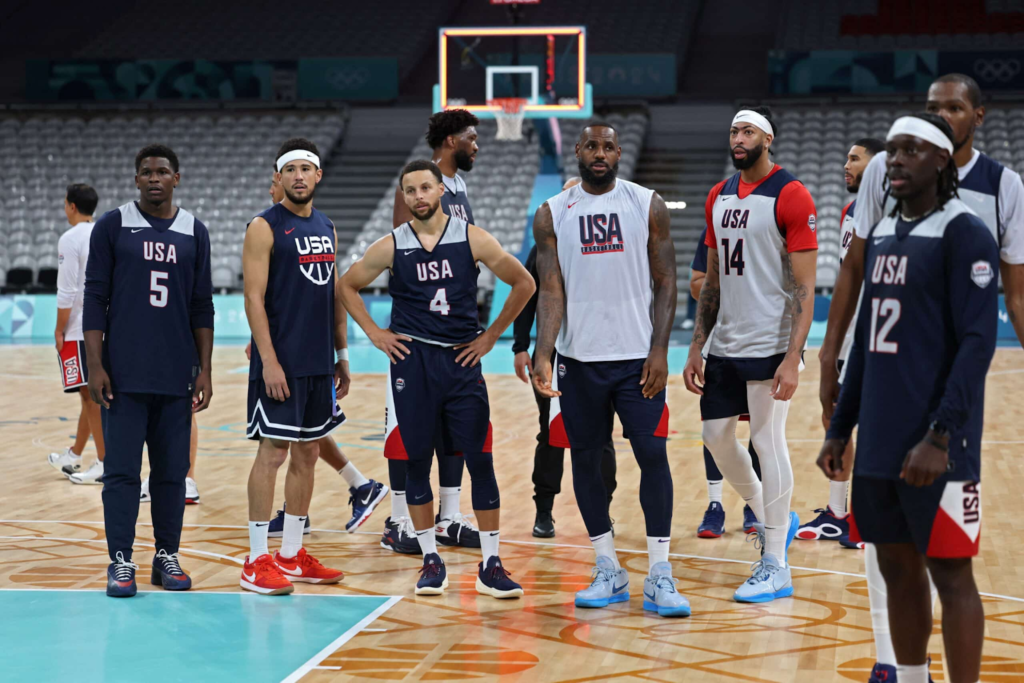
The Olympic Hoop Dream Americans Grew Up Believing
The dream was simple and powerful.
NBA superstars would:
- Show up in peak form
- Overwhelm international opponents
- Win gold without much resistance
This belief was reinforced by iconic moments from earlier Olympic eras, where dominance felt effortless and unquestioned.
For American fans, Olympic basketball wasn’t just competition—it was validation.
That expectation became ingrained in how fans consumed the sport.
The Reality Nobody Likes to Acknowledge
The modern Olympic basketball experience is nothing like that dream.
In reality, Olympic basketball is:
- Short and unforgiving
- Physically demanding
- Mentally draining
- Strategically complex
Players don’t have months to adjust. They have days. Every mistake is magnified, every possession matters, and every opponent is capable of capitalizing on errors.
For many NBA players, the Olympics are not easier than league play—they are more intense in different ways.
Why NBA Greatness Doesn’t Automatically Carry Over
One of the biggest shocks for fans is seeing elite NBA players struggle to impose their will internationally.
This happens because Olympic basketball demands:
- Faster reads
- Comfort without constant ball control
- Defensive discipline over individual scoring
NBA offenses are built around stars. Olympic systems are built around balance.
When players accustomed to being focal points are suddenly asked to blend in, the adjustment can be jarring.
That transition rarely looks smooth—and it rarely gets talked about publicly.
Chemistry: The Silent Gap Between Dream and Reality
Chemistry is one of the most underestimated factors in Olympic basketball.
NBA teams spend entire seasons building trust. Olympic teams are assembled in weeks.
That lack of familiarity leads to:
- Missed rotations
- Hesitation on switches
- Unclear leadership
Meanwhile, many international teams have players who’ve competed together since youth tournaments.
Talent may still favor the U.S., but chemistry often favors the opposition.
This imbalance explains many of the “surprising” Olympic results fans struggle to understand.
The Rules That Quietly Change Everything
Another harsh reality: Olympic basketball is governed by FIBA rules, not NBA rules.
These differences matter.
FIBA basketball allows:
- More physical defense
- Tighter spacing in the paint
- Fewer whistles
- Faster flow
What looks like aggression in the NBA might be considered normal defense internationally.
For American players, adjusting to this physicality takes time—time they don’t have.
Fans often misinterpret this as poor performance, when it’s really an adaptation challenge.
The Pressure of Playing for Team USA
Few athletes face the pressure that comes with wearing a USA jersey.
For these players:
- Winning is expected
- Losing is magnified
- Close games feel like failures
Every possession is scrutinized. Every miss becomes a talking point.
That pressure isn’t theoretical—it affects decision-making, confidence, and rhythm.
Playing freely under that weight is harder than fans realize.
Why International Teams Play With More Urgency
For many international players, Olympic basketball is a career-defining moment.
It represents:
- National pride
- Global recognition
- A chance to prove legitimacy
For American players, it can feel like an obligation wedged between NBA seasons.
That difference in emotional stakes often shows up in effort, toughness, and focus—especially late in games.
Hunger is a competitive advantage, and international teams often bring it in abundance.
The Physical Grind Hidden From View
Olympic schedules are brutal.
Games come rapidly. Travel is exhausting. Recovery windows are minimal.
Players deal with:
- Lingering NBA injuries
- Jet lag
- Heavy minutes with limited rest
The idea that Olympic basketball is a “vacation” could not be more inaccurate.
It is a condensed test of endurance, both physical and mental.
The Hardest Adjustment: Letting Go of Ego
Perhaps the most difficult reality for stars is role acceptance.
Olympic success requires:
- Fewer shots
- Less ball dominance
- More defense
- More sacrifice
Not every superstar adapts easily.
This internal struggle rarely makes headlines—but it often determines outcomes.
The dream celebrates stardom. The reality demands humility.
Why Even Wins Can Feel Unsatisfying
A strange phenomenon has emerged among USA fans: disappointment even in victory.
Why does this happen?
Because expectations are shaped by memories of dominance, not modern parity.
When wins feel earned instead of inevitable, fans misinterpret competitiveness as decline.
In truth, competition is a sign of growth—globally.
Dream vs Reality: The Real Differences (Quick Scan)
- Dream: effortless dominance → Reality: constant adjustment
- Dream: star-driven wins → Reality: system-driven success
- Dream: fear from opponents → Reality: confidence from challengers
- Dream: guaranteed gold → Reality: earned outcomes
What Nobody Is Saying Out Loud
Olympic basketball no longer exists to showcase superiority.
It exists to test it.
And tests are uncomfortable by nature.
How USA Basketball Has Quietly Adapted
The good news is that lessons were learned.
USA Basketball has responded by:
- Emphasizing early commitment
- Prioritizing system fit
- Preparing specifically for FIBA rules
- Valuing defense and versatility
The dream didn’t disappear—it matured.
How Fans Can Reframe Olympic Expectations
To truly enjoy modern Olympic basketball, American fans must shift perspective.
Instead of expecting inevitability, expect:
- Competition
- Strategy
- Emotional stakes
- Earned success
When gold isn’t guaranteed, it becomes meaningful again.
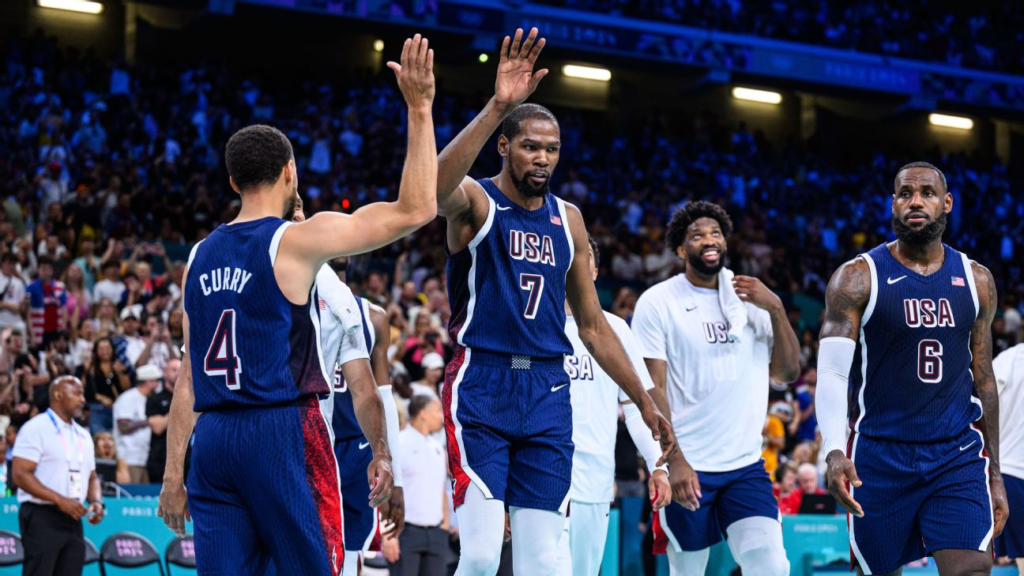
Frequently Asked Questions
1. Why does Olympic basketball feel harder for Team USA now?
Ans. Because international teams have improved, FIBA rules differ from the NBA, and short tournaments amplify chemistry issues.
2. Do NBA superstars struggle more in Olympic basketball?
Ans. Often yes, due to reduced roles, physical defense, and unfamiliar systems.
3. Are Olympic basketball rules very different from NBA rules?
Ans. Yes. FIBA rules allow more contact, faster play, and tighter spacing.
4. Why do international teams look more cohesive?
Ans. Many play together for years, while Team USA rosters are assembled quickly.
5. Is Olympic basketball more physical than the NBA?
Ans. In many ways, yes—especially defensively.
6. Why is the pressure on Team USA so intense?
Ans. Because expectations of dominance create zero margin for error.
7. Do players enjoy the Olympic experience as much as fans think?
Ans. Many do, but it is far more demanding and stressful than it appears.
8. Why do close wins feel disappointing to fans?
Ans. Because expectations are shaped by past dominance rather than current global parity.
9. Has USA Basketball adjusted to modern Olympic realities?
Ans. Yes, through better preparation, clearer roles, and system-focused play.
10. Is the Olympic basketball dream still alive?
Ans. Absolutely—but it now requires adaptation, sacrifice, and respect for global competition.
Final Thought
Olympic hoop dreams were never a lie.
They were just incomplete.
The reality—harder, tighter, more competitive—is what gives modern Olympic basketball its meaning.
And once fans accept that, the game becomes more compelling than ever.