
 By Andrew Sullivan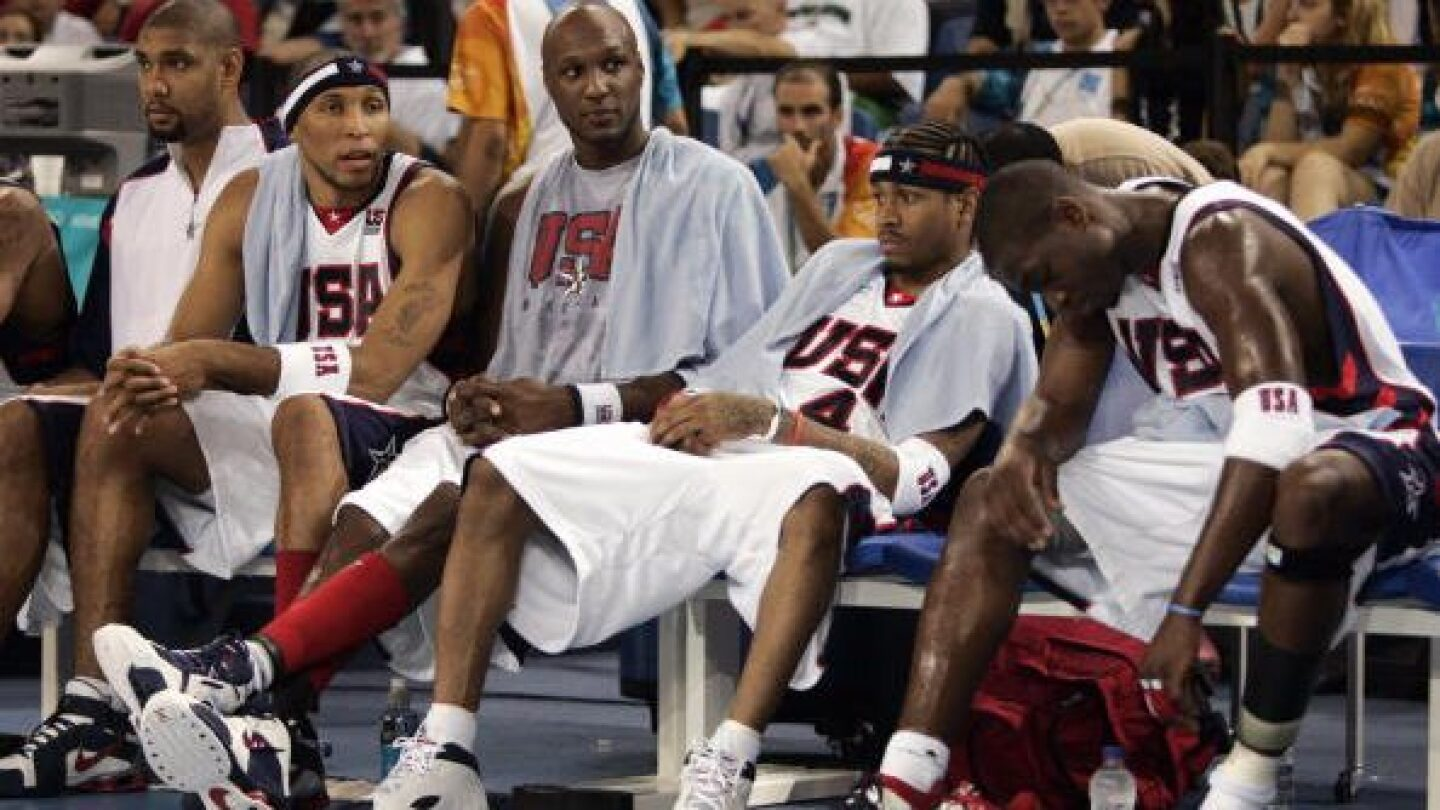
Olympic basketball has never been as predictable as many American fans believe. While the United States remains a powerhouse, history is filled with moments that challenged assumptions about dominance, talent, and inevitability. From unexpected losses to rule changes and rising international confidence, these seven Olympic basketball shockers reveal why Team USA’s journey is far more complex—and compelling—than a guaranteed gold medal.
Why Olympic Basketball Continues to Surprise American Fans
For generations, Olympic basketball has been viewed through a uniquely American lens. The logic seemed unbreakable: if the NBA houses the world’s best players, then a roster built from that league should dominate any international competition.
Yet Olympic basketball has repeatedly disrupted that belief.
American fans often approach the Olympics expecting excellence to be automatic. When it isn’t, confusion quickly turns into frustration. But those moments of discomfort reveal something important—Olympic basketball is not the NBA on a global stage. It is a fundamentally different competition, with different rules, rhythms, and demands.
Understanding that difference is the key to understanding the shockers USA fans never saw coming.
Shocker #1: When Pure Talent Wasn’t Enough
Perhaps the most jarring shock for USA fans came the first time an overwhelmingly talented American roster struggled—or outright lost—on the Olympic stage.
For years, Team USA relied on individual brilliance to overwhelm opponents. But Olympic basketball exposed the limits of that approach. International teams didn’t try to outmatch American athleticism. Instead, they focused on:
- Ball movement
- Defensive rotations
- Collective decision-making
American stars accustomed to NBA spacing and officiating suddenly found themselves forced into tougher shots and tighter windows. The shock wasn’t just losing a game—it was realizing that raw talent alone could be neutralized.
This moment fundamentally changed how USA Basketball approached preparation.
Shocker #2: International Teams Stopped Being Intimidated
One of the quietest yet most profound changes in Olympic basketball has been psychological.
There was a time when facing Team USA felt like a foregone conclusion for opponents. That era ended without a ceremony.
As more international players entered the NBA and succeeded, the mystique faded. Confidence replaced fear. International teams no longer approached games hoping to “keep it respectable.” They came to win.
This shift showed up in:
- Late-game shot selection
- Defensive pressure against superstars
- Calm execution under pressure
For USA fans, the shock was subtle but powerful. Opponents weren’t surviving—they were competing.
Shocker #3: Olympic Rules Exposed American Habits
Another major shock came from something many fans overlooked: Olympic basketball doesn’t follow NBA rules.
FIBA regulations allow:
- More physical perimeter defense
- Tighter spacing in the paint
- Fewer stoppages
These differences reward discipline and teamwork. American players raised on NBA spacing sometimes struggled to adapt quickly.
USA fans watching from home often asked, “Why doesn’t this look easy?”
The answer was uncomfortable: Olympic basketball punishes bad habits and rewards fundamentals.
Shocker #4: Unknown Names Delivering Crushing Blows
Olympic basketball history is filled with moments where players unfamiliar to American audiences delivered devastating performances.
These weren’t NBA superstars. They were role players, specialists, and veterans of international systems who:
- Knew their roles perfectly
- Trusted their teammates
- Executed under pressure
For USA fans accustomed to marquee matchups, watching lesser-known players hit clutch shots felt shocking.
But for international teams, it was business as usual.
Shocker #5: Chemistry Beat Star Power
Few realizations were more painful for USA fans than watching less-talented teams outplay more talented American rosters.
Olympic tournaments are short. Chemistry takes time—and time is scarce.
Teams that:
- Trained together for years
- Understood each other instinctively
- Trusted defined roles
Often outperformed rosters assembled weeks before competition.
The shock wasn’t just losing. It was realizing why the loss happened.
Shocker #6: International Defense Was Relentless
American fans often underestimate international defense because it looks different from the NBA.
Olympic defense emphasizes:
- Team rotations
- Physical positioning
- Disrupting rhythm rather than chasing highlights
USA players accustomed to freedom of movement found themselves crowded, bumped, and forced into rushed decisions.
For fans, it was shocking to see elite scorers struggle—not because they lacked skill, but because every action was contested.
Shocker #7: Gold Medals Were No Longer Guaranteed
The final and most enduring shock is psychological: gold is no longer automatic.
Every Olympic cycle now carries genuine uncertainty.
This doesn’t mean Team USA is weak. It means the margin for error has shrunk.
For American fans raised on dominance, this shift has been difficult—but it has also made Olympic basketball far more meaningful.
Why These Shockers Keep Repeating
These moments are not isolated incidents. They are the result of structural realities:
- Short tournaments magnify mistakes
- Limited preparation exposes chemistry gaps
- International continuity creates cohesion
- Rule differences reward discipline
Olympic basketball doesn’t reward reputation. It rewards execution.
That truth continues to surprise fans who expect NBA logic to apply globally.
Key Lessons USA Fans Have Learned (Quick Scan)
- Olympic basketball is not the NBA
- Chemistry often outweighs star power
- International teams believe they can win
- Defensive discipline is a global strength
- Preparation matters more than perception
How These Shockers Reshaped USA Basketball
The good news is that USA Basketball learned.
In response to past shockers, the program began emphasizing:
- Earlier player commitment
- Clearer role definition
- Defensive accountability
- System-based offense
The shockers didn’t weaken Team USA. They refined it.
What the Future Holds for Olympic Basketball
Olympic basketball will continue to surprise—not because the United States is declining, but because the world is improving.
For USA fans, the challenge is learning to appreciate uncertainty rather than fear it.
Because when gold is earned instead of assumed, it means more.
Frequently Asked Questions
1. Why does Team USA struggle more in Olympic basketball than in the NBA?
Ans. Olympic basketball uses FIBA rules, emphasizes physical play, and rewards teamwork over individual scoring.
2. Has Team USA ever failed to win gold in Olympic basketball?
Ans. Yes. There have been Olympic tournaments where Team USA did not secure the gold medal, shocking fans.
3. Why are international teams more competitive now?
Ans. Increased NBA exposure, long-term chemistry, and improved development systems have narrowed the gap.
4. Do Olympic rules disadvantage American players?
Ans. They don’t disadvantage them, but they reward different skills that require adjustment.
5. Why does chemistry matter so much in the Olympics?
Ans. Short tournaments leave little time to build cohesion, favoring teams with long-standing familiarity.
6. Are international defenses tougher than NBA defenses?
Ans. They are more physical and team-oriented, often disrupting isolation-heavy offenses.
7. Why do lesser-known players shine against Team USA?
Ans. International systems emphasize execution and empower role players to contribute confidently.
8. Is Team USA still the favorite in Olympic basketball?
Ans. Often yes—but the margin is much smaller than in the past.
9. What lessons has USA Basketball learned from past shockers?
Ans. Preparation, role clarity, and defensive commitment are now prioritized over pure star power.
10. Will Olympic basketball continue to surprise USA fans?
Ans. Yes. As global basketball continues to evolve, surprises are now part of the sport’s identity.
Final Thought
Olympic basketball shockers don’t diminish Team USA’s legacy—they deepen it.
They remind fans that greatness isn’t guaranteed, dominance isn’t permanent, and success must be earned every four years.
And that truth, more than any gold medal, is what makes Olympic basketball unforgettable.