
 By Brandon Lewis
USA Basketball no longer wins international games on talent alone. Across Olympic and FIBA tournaments, one overlooked metric—assist-to-turnover ratio—has emerged as the most reliable predictor of victory. This deep-dive explains why that stat matters more than points, how global rivals exploit it, and what history reveals about the true formula for winning modern international basketball.
Introduction: When Star Power Stopped Being Enough
For decades, international basketball felt predictable. When the United States arrived at the Olympics or a World Cup, the question wasn’t if Team USA would win—it was by how much. NBA superstars, athletic superiority, and highlight-reel dominance made American victories feel inevitable.
But that certainty is gone.
Today, USA Basketball still boasts the deepest talent pool in the sport, yet losses and close calls have become more frequent. The reason isn’t declining talent. It’s that the global game has evolved—and one specific statistic now determines whether the U.S. dominates or struggles.
That stat is assist-to-turnover ratio.
It quietly reveals decision-making, chemistry, and adaptability—traits that matter more internationally than raw scoring ability.
Why Are Fans Asking: “What Actually Predicts Wins for Team USA?”
Search trends around Olympic basketball and FIBA tournaments show a shift in how fans analyze games. Instead of asking which stars made the roster, people now ask:
- Why does Team USA struggle against certain countries?
- Why do underdogs keep games close?
- Why do NBA players look uncomfortable under FIBA rules?
The answer lies in possession control.
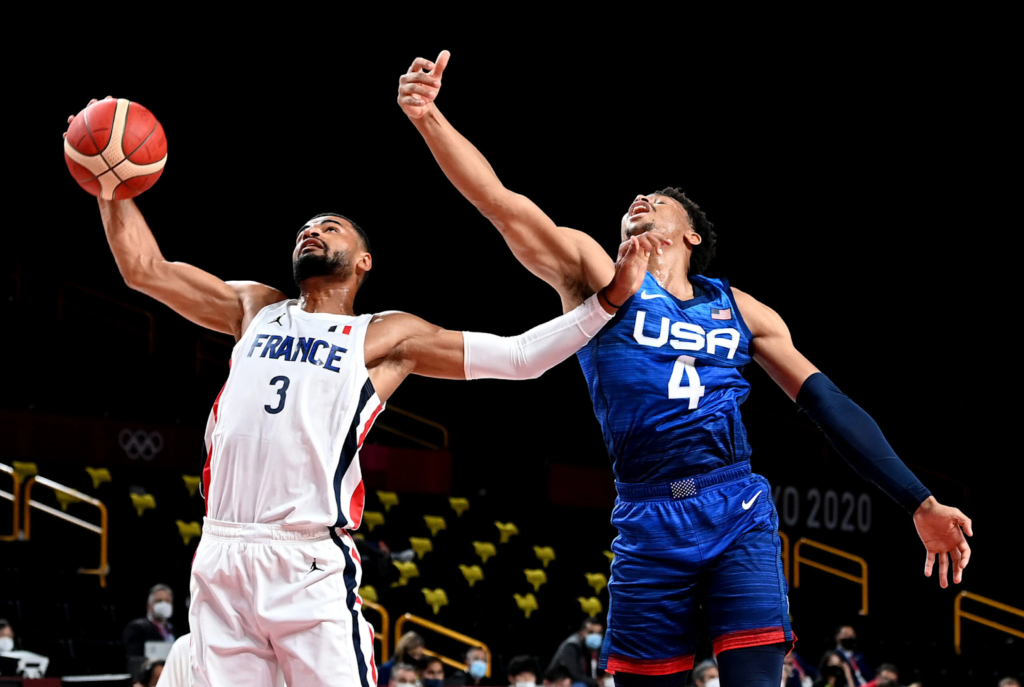
International basketball is less forgiving. Games are shorter. Defenses are more physical. Zone schemes are common. One careless turnover can erase multiple scoring runs.
This is why assist-to-turnover ratio has become the clearest predictor of success.
Understanding the Stat That Changes Everything
Assist-to-turnover ratio measures how efficiently a team creates offense without giving the ball away. It reflects:
- Ball movement
- Offensive discipline
- Decision-making under pressure
- Ability to read defenses
Unlike points or shooting percentage, this stat doesn’t fluctuate wildly due to hot or cold streaks. It exposes how well a team is playing, not just scoring.
In international play, where possessions are limited, efficiency becomes destiny.
Historical Proof: When the Stat Predicts Collapse
The clearest example remains the 2004 Athens Olympics.
That U.S. roster featured elite NBA talent, but the assist-to-turnover numbers told a grim story:
- Excessive isolation play
- Struggles against zone defenses
- Turnovers at critical moments
Argentina, meanwhile, protected the ball, moved it relentlessly, and punished mistakes. The bronze medal finish shocked fans—but the stat predicted it.
This wasn’t an anomaly. It was a warning.
Redemption Through Discipline: The 2008 Blueprint
Four years later, the U.S. returned to dominance at the 2008 Beijing Olympics.
What changed wasn’t just personnel—it was philosophy.
The team:
- Prioritized passing over isolation
- Accepted defined roles
- Protected the ball at all costs
The assist-to-turnover ratio improved dramatically, and gold followed. The lesson was clear: discipline restores dominance.
Why Global Rivals Excel Where the U.S. Struggles
International programs develop players differently.
From youth levels onward, global systems emphasize:
- Passing angles
- Off-ball movement
- Reading defenses
- Limiting risk
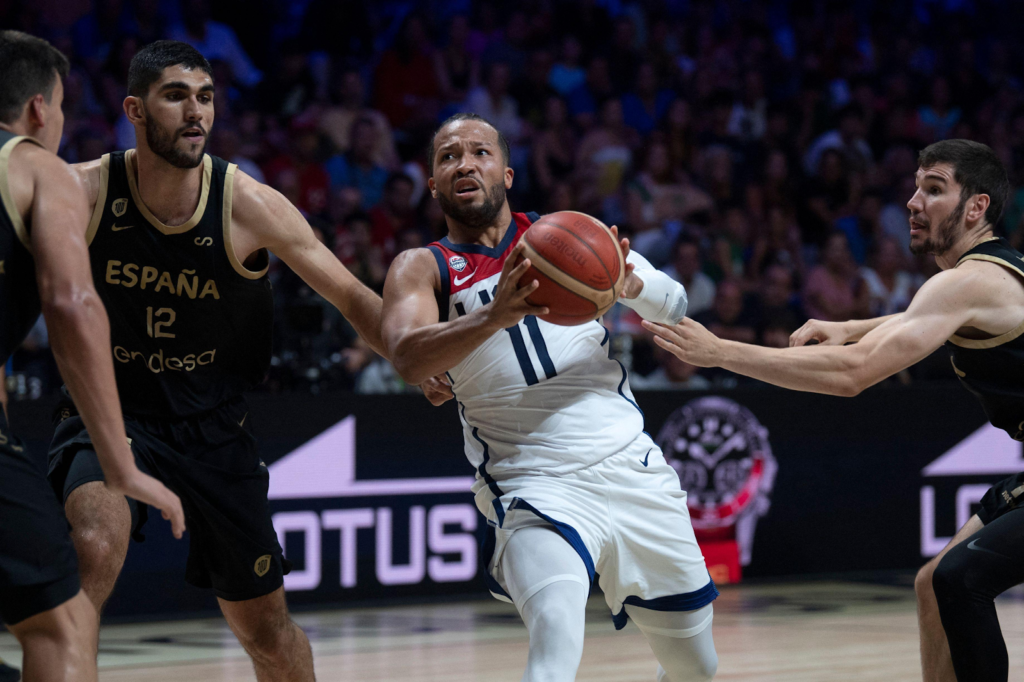
Players from Spain, Serbia, France, and Lithuania grow up in environments where a bad pass matters as much as a missed shot. By the time they face Team USA, protecting possessions is instinctive.
This cultural difference shows up every time the assist-to-turnover numbers tilt away from the U.S.
The Hero Ball Problem in International Play
One of USA Basketball’s recurring mistakes has been trusting isolation-heavy offense in moments of pressure.
In the NBA:
- Games are longer
- Spacing is wider
- Defensive rules favor scorers
In FIBA play:
- Zone defenses crowd the lane
- Physical contact is tolerated
- Possessions are precious
When Team USA falls into hero ball, turnovers rise and ball movement stalls. The assist-to-turnover ratio drops—and losses follow.
2019 FIBA World Cup: A Modern Warning
The 2019 FIBA World Cup offered a modern reminder that the stat still matters.
Despite solid individual talent, Team USA struggled with:
- Ball pressure
- Late-game decision-making
- Creating assisted baskets
France and Serbia executed cleaner offense, committed fewer turnovers, and controlled tempo. The U.S. finished seventh—its worst result ever in a major international tournament.
The numbers told the story long before the final standings did.
Why Points and Shooting Percentages Mislead Fans
Scoring totals often distract from deeper issues.
A team can:
- Shoot well early and collapse late
- Hit tough shots while playing inefficient basketball
Assist-to-turnover ratio, however, reveals sustainability. When it drops, collapse usually follows—regardless of shooting success.
This is why analysts increasingly track it to predict outcomes before the scoreboard reflects trouble.
How USA Basketball Wins When It Gets This Right
When Team USA dominates globally, familiar patterns appear.
Winning Habits That Boost the Key Stat
- Ball movement before shot creation
- Willingness to swing the ball against zones
- Guards prioritizing playmaking
- Bigs facilitating from the high post
- Patience over pace
These habits increase assists, reduce turnovers, and suffocate opponents who rely on mistakes to stay competitive.
The Global Evolution That Forced This Shift
The world didn’t catch up by accident.
International programs studied:
- NBA isolation tendencies
- Turnover-prone guards
- Overreliance on athleticism
They built defensive systems specifically to exploit careless ball-handling. The assist-to-turnover ratio became the battlefield—and global rivals mastered it first.
USA Basketball has since adapted, but the margin for error is gone forever.
Practical Takeaways for Fans, Coaches, and Analysts
- Watch ball movement, not just highlights
- Turnovers predict trouble before the score does
- Chemistry matters more than star rankings
- Discipline beats raw talent internationally
If you want to predict the outcome early, check the assist-to-turnover numbers by halftime.
Frequently Asked Questions (Trending Search Queries)
1. What stat best predicts USA Basketball wins?
Ans. Assist-to-turnover ratio is the most consistent predictor of success in international play.
2. Why does Team USA struggle against global teams?
Ans. International defenses punish turnovers and isolation-heavy offense.
3. Do international teams pass more than Team USA?
Ans. Yes. Most emphasize ball movement and possession security from youth levels.
4. Why doesn’t NBA dominance translate automatically?
Ans. FIBA rules, physical defense, and shorter games magnify mistakes.
5. Did turnovers cost the U.S. the 2004 Olympics?
Ans. Yes. Poor assist-to-turnover efficiency played a major role.
6. What changed in 2008 for USA Basketball?
Ans. Better discipline, clearer roles, and improved ball movement.
7. Are points per game overrated in FIBA tournaments?
Ans. Often yes. Efficiency and possession control matter more.
8. How do global rivals exploit Team USA weaknesses?
Ans. Through zone defenses, ball pressure, and forcing rushed decisions.
9. Can Team USA still dominate internationally?
Ans. Yes, but only when decision-making and ball security are prioritized.
10. What should fans watch to predict outcomes early?
Ans. Turnovers, assisted baskets, and pace control—not highlight plays.
Final Verdict: The Stat That Separates Gold From Disappointment
USA Basketball doesn’t lose because it lacks talent.
It loses when it loses discipline.
The assist-to-turnover ratio exposes everything—chemistry, patience, adaptability, and respect for the global game. When it’s strong, gold usually follows. When it isn’t, even the most stacked roster can fall.
In modern international basketball, how you play matters more than who you are.