
 By Rachel Evans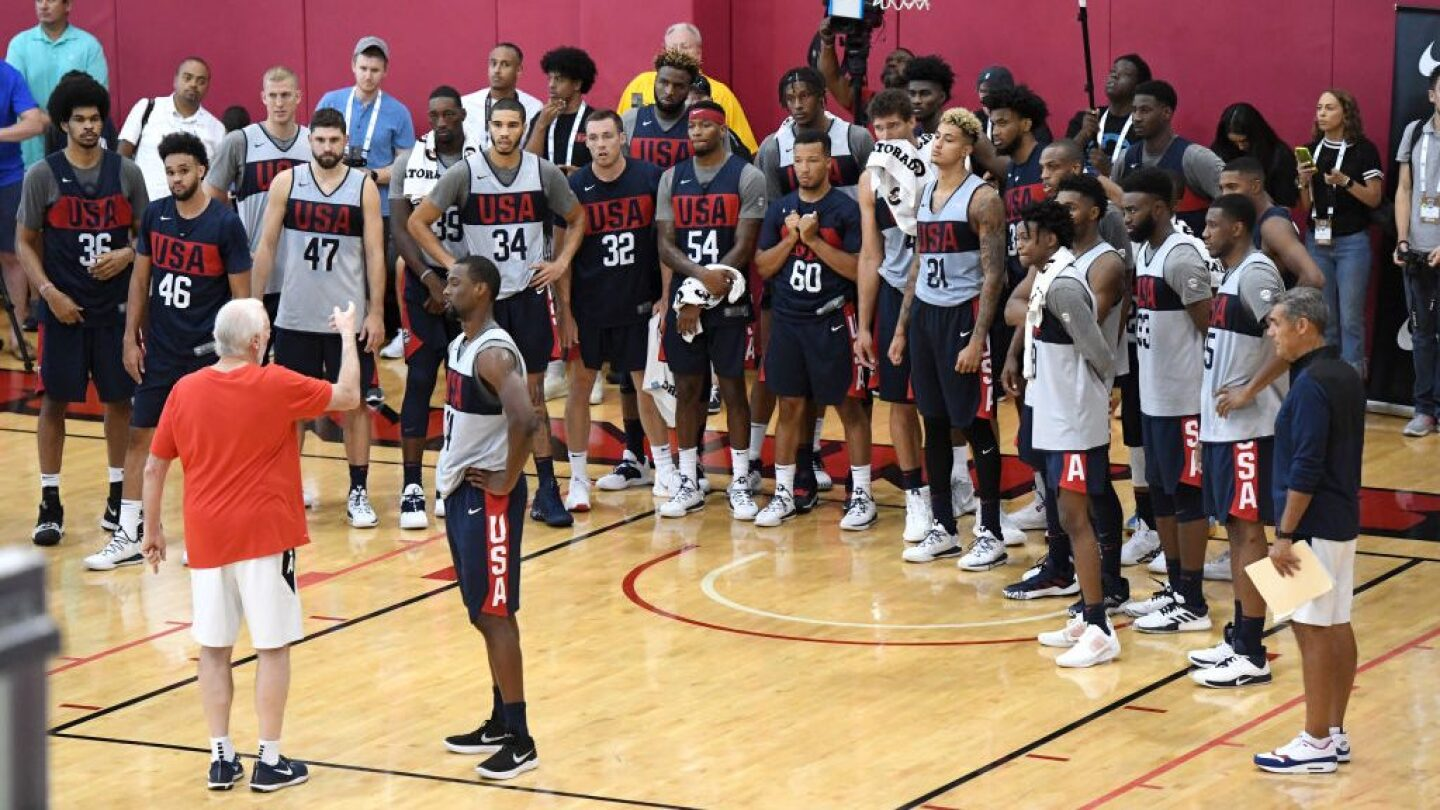
USA Basketball’s modern international success increasingly relies not on superstar talent alone but on defensive versatility, role clarity, roster continuity, and positionless basketball. By emphasizing adaptability, chemistry, and tactical discipline, Team USA neutralizes elite opponents and maximizes its athletic advantage. This system-driven approach—not just individual brilliance—has become the hidden blueprint sustaining American dominance in global competition.
For decades, Team USA dominated international basketball through sheer talent. The formula seemed simple: assemble the NBA’s brightest stars, send them to global tournaments, and victories followed.
But basketball evolved.
International programs improved. Players worldwide trained in advanced systems emphasizing teamwork and discipline. Opponents learned how to slow down isolation-heavy offenses and exploit defensive mismatches.
And suddenly, talent alone wasn’t enough.
In response, USA Basketball developed a strategic approach that quietly transformed how the national team operates. Behind highlight dunks and superstar rosters lies a carefully designed blueprint built around adaptability, chemistry, and defensive intelligence.
This article explores the strategy shaping modern Team USA success, reveals how it developed, and answers the questions American fans are asking about why international competition has grown tougher—and how the U.S. continues to stay ahead.
The truth? Winning internationally today demands more than star power.
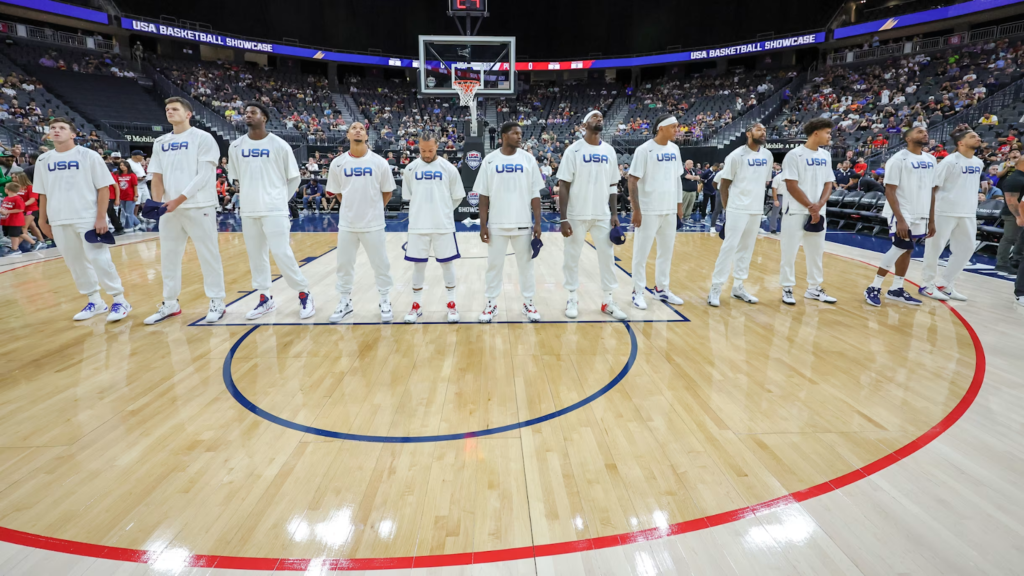
Why Team USA Needed a Strategic Shift
In the 1990s, Team USA could overwhelm opponents through superior athleticism and scoring talent. The global game, however, did not stand still.
Basketball academies expanded across Europe, Asia, and Australia. National teams developed long-term programs emphasizing ball movement, defensive cohesion, and player development.
Today, international rosters include NBA All-Stars and MVP-level players.
Recent trends show:
- International players now represent over a quarter of NBA rosters.
- NBA MVP awards have increasingly gone to international stars.
- National teams play together for years, developing chemistry.
Meanwhile, Team USA historically assembled squads weeks before tournaments.
The gap between raw talent and cohesive team basketball began narrowing.
Margins of victory shrank. Upsets became possible.
USA Basketball needed evolution, not complacency.
What Is the Secret Strategy Behind Team USA Today?
Contrary to popular belief, there is no single hidden play or secret trick. Instead, the advantage lies in a combination of principles carefully designed to maximize talent in international competition.
The modern approach revolves around four pillars:
- Defensive versatility
- Positionless basketball
- Chemistry development
- Role-based team construction
Together, these principles form a system that is extremely difficult to counter.
Defensive Versatility: Team USA’s True Advantage
Fans often focus on scoring. Coaches focus on stopping opponents.
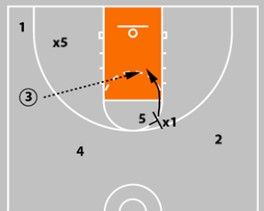
Modern Team USA lineups prioritize players capable of defending multiple positions. This allows coaches to switch defensive assignments seamlessly without creating mismatches.
Benefits include:
- Guards defending forwards without losing structure
- Big men stepping out to contain perimeter threats
- Elimination of easy pick-and-roll mismatches
- Constant pressure on ball handlers
- Fewer defensive breakdowns
When every player can switch, opponents struggle to create favorable matchups.
Defense quietly wins championships.
Positionless Basketball: A Modern Weapon
Traditional basketball divided roles strictly:
- Point guard handled the ball
- Centers stayed near the basket
- Forwards filled fixed roles
Modern Team USA rosters reject those limitations.
Players are chosen for flexibility:
- Big players handle the ball
- Guards rebound effectively
- Wings initiate offense
- Multiple players create scoring opportunities
This flexibility creates unpredictable offenses and seamless defensive rotations.
Opponents struggle to anticipate assignments.
Chemistry Matters More Than Ever
International tournaments are short and intense. Teams often play every few days.
Chemistry becomes critical.
International opponents benefit from players who compete together for years, sometimes decades.
Team USA historically assembled talent quickly, limiting cohesion.
New strategies emphasize:
- Returning players across tournaments
- Building familiarity with coaching systems
- Creating trust among teammates
- Clarifying player roles
Chemistry reduces mistakes during high-pressure moments.
Role Acceptance: A Hidden Competitive Edge
NBA stars often dominate offensive systems. International success demands sacrifice.
Modern Team USA players accept roles beyond scoring:
- Defensive specialists
- Facilitators
- Rebounders
- Transition defenders
When superstars buy into roles, teams become unpredictable and harder to stop.
Balanced teams outperform star-heavy lineups lacking cohesion.
Real-Life Lesson: The 2004 Olympic Wake-Up Call
The 2004 Athens Olympics remain a pivotal moment.
Despite immense talent, Team USA earned only bronze.
Opponents exploited weaknesses:
- Defensive confusion
- Lack of preparation
- Isolation-heavy offense
- Role uncertainty
That tournament forced USA Basketball to rethink its approach.
Subsequent teams emphasized structure and preparation, restoring dominance.
The modern strategy builds upon those lessons.
How Global Basketball Development Changed Competition
Basketball’s globalization accelerated dramatically.
International players now headline NBA franchises.
European development systems emphasize:
- Passing
- Team defense
- Tactical execution
- Off-ball movement
International teams exploit individual weaknesses and rely on teamwork.
Team USA adapted by building smarter rosters.
Key Components of Team USA’s Winning Blueprint
The modern approach integrates multiple advantages:
- Switchable defensive schemes
- Multiple ball handlers
- Pace control
- Efficient shot selection
- Role clarity
- Transition scoring
- Perimeter containment
- Team rebounding
- Superior conditioning
- Tactical flexibility
Opponents struggle to attack teams without obvious weaknesses.
Why Opponents Still Struggle Against Team USA
Opposing teams rely heavily on system execution.
Team USA counters with:
- Athletic speed
- Roster depth
- Defensive switching
- Individual brilliance within structure
- Explosive scoring runs
Opponents cannot easily exploit predictable patterns.
Flexibility becomes Team USA’s ultimate weapon.
Practical Lessons for Fans, Coaches, and Players
Team USA’s evolution offers lessons applicable across basketball levels:
- Talent thrives within structure.
- Defense wins championships.
- Role acceptance strengthens teams.
- Adaptability creates competitive advantages.
- Chemistry develops through commitment.
Youth programs increasingly mirror these principles.
Common Fan Questions About Team USA’s Approach
Fans frequently ask:
- Why doesn’t Team USA dominate games like before?
- Why are international teams so competitive now?
- Why don’t superstars simply take over?
The answer is simple: modern basketball rewards teamwork and preparation.
Could This Strategy Ever Fail?
Potential challenges include:
- Limited preparation time
- Injuries disrupting continuity
- Player scheduling conflicts
- Superstar availability
- Chemistry breakdowns
Execution remains critical.
What Future Team USA Rosters Might Look Like
Expect future teams to emphasize:
- Multi-position defenders
- Playmaking versatility
- Early integration of young players
- Multi-tournament commitments
- System-friendly personalities
Roster construction increasingly resembles modern NBA champions.
Final Takeaway: The Real Secret Strategy
The true strategy isn’t hidden plays.
It’s understanding modern basketball realities:
Defense, chemistry, and versatility now beat isolation scoring.
Team USA’s continued success depends on preparation, adaptability, and teamwork—not just superstar talent.
And that’s exactly what opponents hope they never fully figure out.
Key Strategy Points at a Glance
- Switching defense neutralizes mismatches
- Positionless basketball creates unpredictability
- Chemistry wins short tournaments
- Role acceptance strengthens cohesion
- Versatility beats specialization
- Preparation outweighs raw talent
- Depth sustains performance
- Balanced scoring reduces predictability
- Conditioning creates late-game advantages
- Tactical flexibility counters opponents
Frequently Asked Questions (FAQ)
1. What is USA Basketball’s secret strategy?
Ans. Emphasizing defensive versatility, chemistry, and positional flexibility rather than relying only on superstar scoring.
2. Why doesn’t Team USA dominate every tournament now?
Ans. Global basketball talent improved significantly, making international competition tougher.
3. Why is defense so important internationally?
Ans. International play rewards disciplined team defense due to tighter spacing and physical rules.
4. Do NBA stars struggle internationally?
Ans. Sometimes, because international basketball emphasizes teamwork over isolation scoring.
5. Why does chemistry matter so much?
Ans. Short tournaments require immediate cohesion between teammates.
6. What lesson did USA learn from past losses?
Ans. Talent alone cannot beat disciplined, cohesive opponents.
7. How does defensive switching help Team USA?
Ans. It prevents opponents from exploiting mismatches.
8. Will Team USA continue using this strategy?
Ans. Likely, as it aligns with modern winning models.
9. Could opponents copy this strategy?
Ans. Many try, but few match Team USA’s depth and athleticism.
10. Is Team USA still tournament favorite?
Ans. Often yes, but wins now require stronger execution.