
 By Brandon Lewis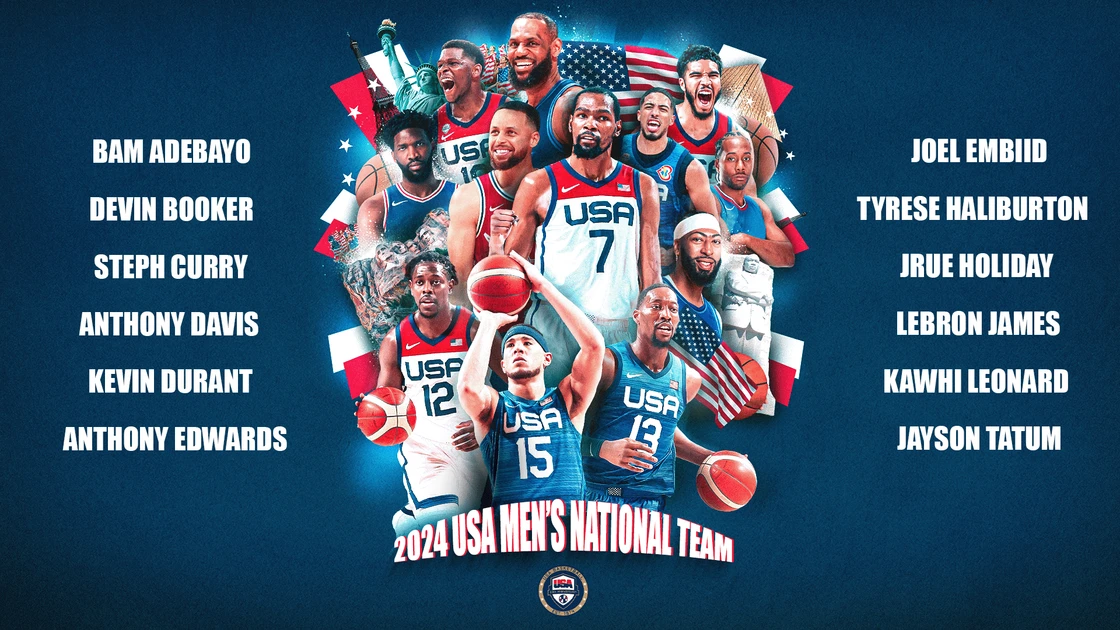
USA Basketball has made a pivotal strategic decision that signals a new era for Team USA: prioritizing long-term roster continuity, chemistry, and system-based team construction over assembling superstar-heavy lineups at the last minute. Experts believe this change could reshape international basketball competition and influence how teams worldwide build winning programs for years to come.
For decades, USA Basketball operated with a simple formula: gather the NBA’s biggest stars, put them on the court together, and expect victory.
And for long stretches, that worked.
But basketball has changed. International competition improved. Global talent pipelines expanded. Opponents stopped fearing Team USA and began preparing to beat them.
Now, USA Basketball appears to have embraced a major strategic shift—one that insiders believe could permanently change how international basketball teams are built.
This move goes beyond roster selection. It represents a philosophical evolution in how America approaches the global game.
And depending on how successful this strategy becomes, its ripple effects could influence basketball at every level worldwide.
What Decision Did USA Basketball Actually Make?
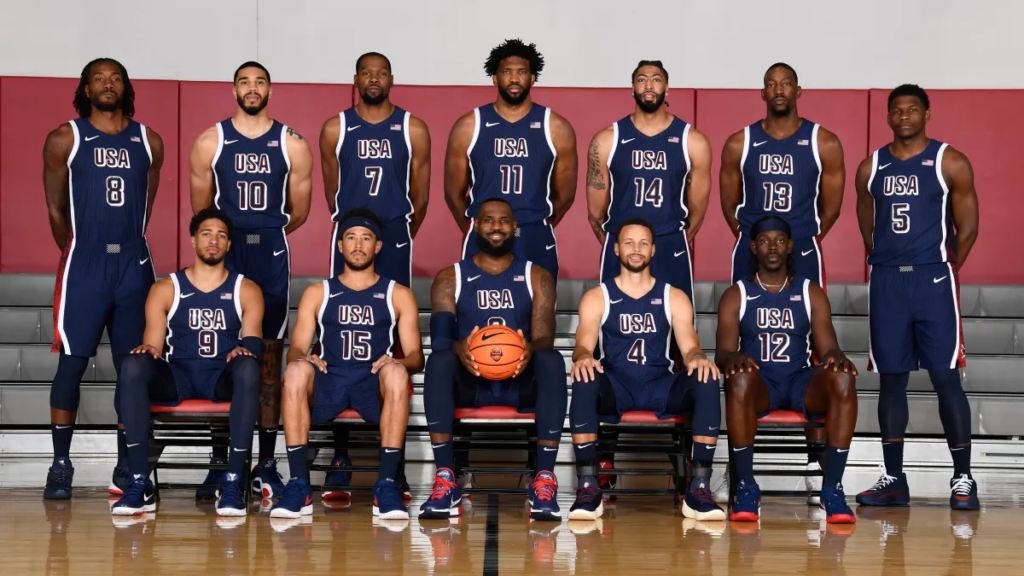
At its core, USA Basketball is moving away from assembling teams shortly before tournaments and toward building long-term national team continuity.
Instead of simply recruiting the biggest NBA names each cycle, the organization now aims to develop sustained player groups capable of competing together across multiple international events.
Key elements of this shift include:
- Identifying players years before major competitions
- Encouraging multi-year commitments to national team programs
- Building chemistry long before Olympic tournaments begin
- Focusing on defensive versatility and adaptability
- Selecting players willing to accept defined roles
- Training players for international rule differences
- Prioritizing system fit over celebrity appeal
In short, Team USA wants to operate more like successful international programs—and less like an All-Star exhibition team.
Why Did USA Basketball Feel Change Was Necessary?
The reason is simple: the rest of the world caught up.
Basketball has become truly global. International development programs now produce elite players regularly, and many grow up learning team-based systems from a young age.
Recent global trends illustrate this shift:
- Over a quarter of NBA players now come from outside the United States.
- Multiple recent NBA MVP winners were born and trained internationally.
- European and international clubs emphasize teamwork and fundamentals.
- National teams often play together for years.
This cohesion gives international squads an advantage in short tournaments where chemistry matters as much as talent.
In contrast, Team USA often assembled players weeks before competition.
That gap started showing.
The Historical Wake-Up Call That Still Matters
Many experts trace USA Basketball’s philosophical shift back to the 2004 Olympic Games in Athens.
Despite sending NBA talent, Team USA finished with a bronze medal—an outcome considered disastrous by American standards.
Opponents played smarter, tougher basketball built on years of teamwork.
That tournament forced USA Basketball leadership to rebuild around structure and discipline.
The result? Renewed Olympic success in subsequent years.
However, as international competition improved again, Team USA faced tighter games and tougher competition. The current strategic change reflects another evolution.
How This Decision Changes Team USA’s Approach
The shift transforms how teams are constructed and prepared.
Continuity Over Celebrity
Players may remain part of Team USA programs across multiple tournaments, developing familiarity with teammates and coaching systems.
System Preparation
Players train specifically for international competition, adjusting to FIBA rules, officiating styles, and spacing differences.
Role Acceptance
Roster decisions now emphasize players willing to play defined roles rather than expecting every player to dominate offensively.
Long-Term Development
USA Basketball invests in relationships with younger players, integrating them into national team culture early.
Chemistry as a Competitive Edge
Teams built over time tend to communicate better, defend cohesively, and execute under pressure.
Why Experts Believe This Could Change Basketball Forever
Basketball strategies spread quickly.
If Team USA succeeds with this approach, it could influence:
- NBA roster construction strategies
- Youth basketball development programs
- Coaching philosophies worldwide
- Player training priorities
- International competition structures
The sport could move further toward system-driven basketball rather than star-driven dominance.
Why Some Fans Are Skeptical
Not everyone supports the shift.
Fans often worry about:
- Losing superstar appeal
- Reduced offensive firepower
- Lack of recognizable star players
- Potential chemistry failures
- Another disappointing tournament outcome
For many supporters, Team USA represents dominance and spectacle. Strategic experimentation feels risky.
Fans accustomed to overwhelming victories struggle to accept that the global game now demands adaptation.
Real-Life Example: Chemistry Beating Talent
International teams such as Spain and France frequently field players who have competed together for years.
Benefits include:
- Better defensive coordination
- Faster in-game communication
- Trust during pressure moments
- Clear understanding of roles
In contrast, Team USA sometimes relied on last-minute roster assembly.
Continuity often wins when talent levels are comparable.
How Global Basketball Development Changed Everything
International basketball’s rise is impossible to ignore.
Players such as Nikola Jokić, Giannis Antetokounmpo, Luka Dončić, and others illustrate the global growth of elite talent.
International players bring diverse basketball philosophies into the NBA, blending styles and raising overall competition levels.
American teams now face opponents equally talented and often better prepared tactically.
Winning now requires preparation, not just talent.
Core Elements of USA Basketball’s New Blueprint
The evolving program emphasizes:
- Defensive switchability
- Positionless basketball versatility
- High basketball IQ
- Team chemistry
- Transition efficiency
- Ball movement
- Role clarity
- Familiarity with international officiating
- Physical conditioning
- Tactical adaptability
These traits mirror successful modern championship teams.
What This Means for Future Olympic Rosters
Future Team USA squads may show:
- Fewer last-minute roster changes
- Greater youth integration
- Multi-year player commitments
- Balanced scoring responsibilities
- Increased defensive identity
Players could become long-term national team contributors rather than one-time participants.
Practical Lessons for Players and Coaches
This evolution offers lessons at every level:
- Success requires role acceptance.
- Chemistry takes time to build.
- Versatility beats specialization.
- Defense remains foundational.
- Systems matter more than highlights.
Youth development increasingly mirrors these principles.
Could This Strategy Actually Make Team USA Better?
Many analysts believe so.
Balanced teams typically:
- Perform consistently across tournaments
- Handle pressure situations better
- Adapt to different opponents
- Maintain energy through long schedules
- Avoid dependence on single players
Modern basketball rewards depth and cohesion.
Potential Risks of the New Approach
Challenges remain:
- Superstar participation varies
- Injuries disrupt continuity
- Scheduling conflicts affect commitments
- Chemistry requires patience
- Media pressure grows quickly after losses
Execution and long-term commitment determine success.
What Fans Are Really Worried About
Behind debates lie emotional concerns:
- Losing international dominance
- Lack of late-game leadership
- Younger players struggling under pressure
- Chemistry failing in critical moments
- National pride being challenged
These fears reflect how deeply fans care about Team USA success.
Final Takeaway: Why This Decision Matters
USA Basketball’s strategic shift acknowledges modern realities.
Basketball is no longer an American monopoly.
Winning now requires preparation, chemistry, and adaptability—not just superstar talent.
If successful, this approach could influence:
- NBA team-building philosophies
- Youth development programs
- Coaching methods worldwide
- International tournament preparation
Basketball’s future may increasingly reward teams, not individuals.
And that’s why experts believe this decision could change the game forever.
Frequently Asked Questions (FAQ)
1. What decision did USA Basketball make?
Ans. USA Basketball shifted toward long-term roster continuity and system-based team construction rather than relying solely on assembling superstar rosters.
2. Why is Team USA changing strategy now?
Ans. Global basketball competition has improved, forcing Team USA to adapt in order to maintain international dominance.
3. Will Team USA lose star power with this approach?
Ans. Not necessarily, but team balance and role acceptance may take priority over celebrity appeal.
4. Why is chemistry so important internationally?
Ans. Short tournaments reward teams with familiarity and cohesion rather than squads built quickly around individual stars.
5. Did past Olympic disappointments influence this decision?
Ans. Yes, previous tournament struggles highlighted the need for strategic structural changes.
6. Will players commit long term to Team USA?
Ans. Commitment depends on scheduling, player health, and professional obligations, but USA Basketball hopes to build stronger continuity.
7. Could this approach influence youth basketball development?
Ans. Yes, system-based play and versatility are increasingly emphasized in youth coaching.
8. Does this strategy affect NBA scouting and roster construction?
Ans. Potentially, as adaptability and role acceptance gain importance in team-building philosophies.
9. Could Team USA struggle during this transition?
Ans. Possibly, as chemistry and systems take time to develop effectively.
10. Will this new strategy remain permanent?
Ans. Success in upcoming tournaments will likely determine whether the approach becomes long-term policy.
Key Takeaways at a Glance
- Team USA now prioritizes chemistry and system fit.
- International basketball competition is stronger than ever.
- Versatility and defense guide roster construction.
- Continuity replaces short-term roster assembly.
- Global basketball strategies may follow similar models.