
 By Brandon Lewis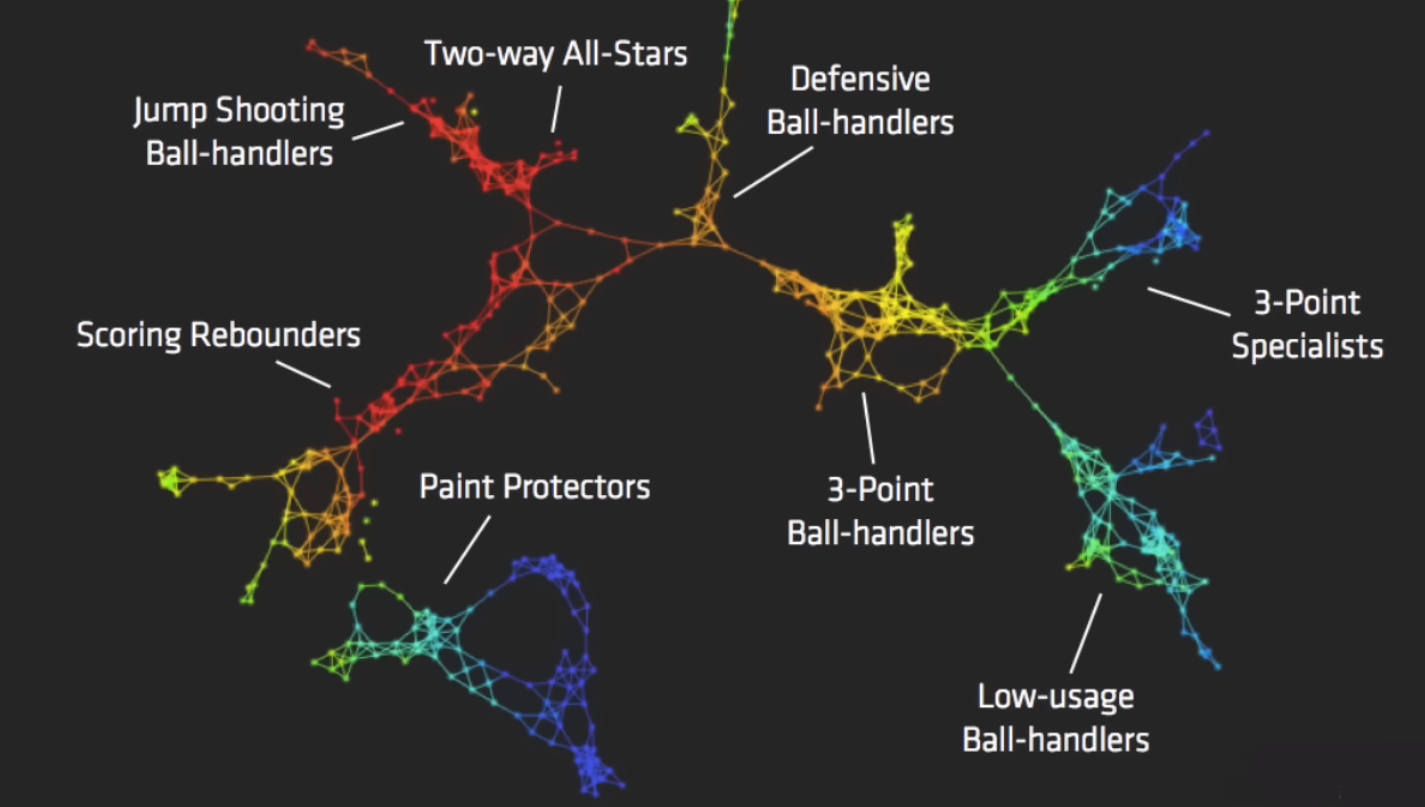
Positionless basketball is fundamentally reshaping the sport by eliminating rigid player roles and prioritizing versatility, skill, and adaptability. Traditional positions like point guard and center are fading as modern players are expected to dribble, pass, shoot, and defend across multiple areas. This evolution is transforming coaching strategies, player development, and the future identity of basketball itself.
Introduction: The End of Basketball as We Once Knew It
For most of basketball’s history, the game followed a simple and structured formula. Every player had a clearly defined role. Point guards ran the offense, shooting guards scored, small forwards did a bit of everything, power forwards battled inside, and centers protected the rim. These roles were treated as rules, not suggestions.
Today, those rules no longer apply.
Modern basketball has entered an era where positions are blurred, responsibilities overlap, and versatility has become the most valuable skill on the court. This shift—commonly referred to as positionless basketball—is not a temporary trend. It is actively dismantling traditional roles and redefining how the game is played, coached, and understood.
What was once considered unconventional is now the gold standard at every competitive level of the sport.
What Is Positionless Basketball?
Positionless basketball is a style of play where athletes are not restricted to traditional positions. Instead, players contribute based on their skills, decision-making, and adaptability, regardless of size or height.
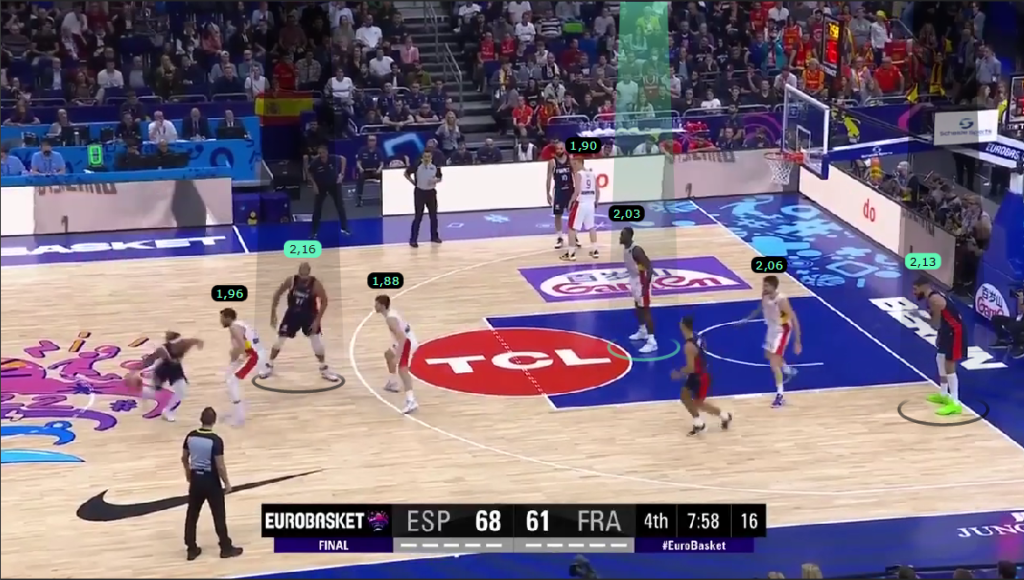
In this system, a tall player may bring the ball up the floor, a guard may defend the post, and every player on the court is expected to make reads, space the floor, and defend multiple matchups. The focus shifts from who you are to what you can do.
This philosophy rewards:
- Versatility over specialization
- Basketball IQ over rigid roles
- Skill development over positional labels
Why Traditional Basketball Roles Are Breaking Down
Traditional positions are disappearing because they can no longer keep up with how the modern game is played.
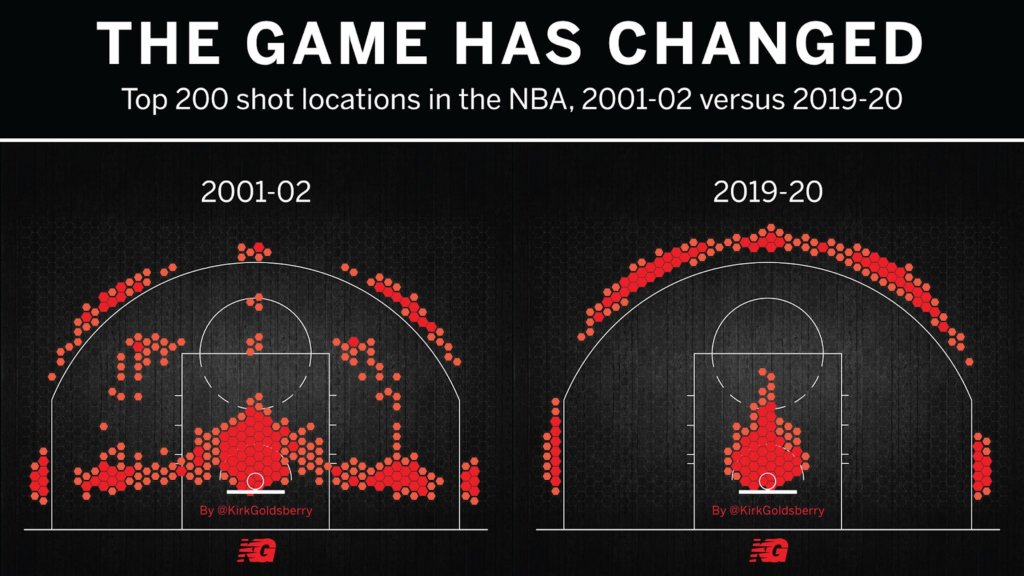
The Three-Point and Spacing Revolution
The explosion of three-point shooting has stretched defenses to their limits. Teams that space the floor with shooters at every position create driving lanes and force defenses into impossible decisions. Players who cannot shoot or move well enough to maintain spacing often become liabilities.
Defensive Switching Changed Everything
Modern defenses rely heavily on switching screens. This demands players who can guard multiple positions. If a player can only defend one type of opponent, teams will exploit that weakness relentlessly.
Skill Development Has Leveled the Game
Young players now grow up learning ball-handling, shooting, and passing regardless of height. Big players are trained like guards, and guards are taught post skills and rebounding techniques. As a result, traditional positional boundaries have collapsed.
Real-Life Examples That Prove Positionless Basketball Works
The best way to understand this evolution is through what happens on the court.
Many modern teams rely on tall players who serve as offensive hubs, directing traffic and creating opportunities for teammates. These players challenge the old belief that only guards should handle the ball.
Smaller lineups featuring quick, skilled players at every spot often outperform larger, traditional lineups. Speed, spacing, and decision-making overwhelm size when executed correctly.
In late-game situations, coaches frequently deploy five players who can all dribble, shoot, pass, and defend. This removes defensive weak points and maximizes offensive unpredictability.
How Positionless Basketball Is Redefining Every Position
The Point Guard Role Has Expanded
The point guard is no longer the only playmaker. Offensive creation is now shared across the lineup. While leadership and decision-making still matter, ball-handling duties are distributed among multiple players.
Shooting Guards Must Be Complete Players
Scoring alone is no longer enough. Modern shooting guards are expected to defend multiple positions, move without the ball, and make smart passing decisions.
Small Forwards Are the Blueprint
The modern wing player represents the ideal positionless athlete. These players score at all levels, defend various matchups, rebound, and initiate offense. Their versatility makes them invaluable.
Power Forwards Must Stretch the Floor
Traditional post-heavy power forwards are fading. Today’s power forwards are often shooters who create space and switch defensively.
Centers Must Be Mobile and Skilled
Centers still protect the rim, but they are also expected to move their feet, pass effectively, and sometimes shoot from the perimeter. Those who cannot adapt often struggle to stay on the court.
How Coaching Philosophy Has Changed
Positionless basketball has transformed coaching from rigid play-calling to principle-based systems.
Rather than assigning fixed roles, coaches now emphasize:
- Spacing concepts
- Reading defenses
- Ball movement
- Player decision-making
Practices focus more on understanding the game than memorizing plays. This allows players to react naturally to changing situations.
Player Development in the Positionless Era
Skills Come Before Positions
Modern development programs teach all players fundamental skills early. Ball-handling, passing, and shooting are emphasized regardless of size or role.
Specialization Is Delayed
Instead of labeling young athletes too early, coaches allow players to explore different responsibilities. This approach produces more confident, adaptable athletes and reduces burnout.
The Analytics That Support Positionless Basketball
Data strongly favors versatility.
- Lineups with multiple shooters score more efficiently
- Switch-heavy defenses reduce open shots
- Versatile players log more minutes in high-pressure games
Analytics departments now prioritize flexibility and matchup advantages over traditional positional balance.
Who Struggles Most in the Positionless Era?
While many players benefit from this evolution, some struggle to adapt.
- One-dimensional scorers are easier to neutralize
- Slow defenders are targeted in pick-and-roll situations
- Players resistant to change often see reduced roles
The modern game rewards adaptability and punishes stagnation.
Is Positionless Basketball Making the Game Better?
Opinions vary.
Supporters believe the game is faster, smarter, and more entertaining. They appreciate the creativity and freedom players now enjoy.
Critics argue that traditional post play and clear roles are disappearing, making the game harder for casual fans to follow.
Despite the debate, the direction of the sport is clear—and irreversible.
What This Means for Fans and the Future
Understanding basketball now requires more than watching who scores. Fans must pay attention to spacing, off-ball movement, and defensive switches.
As the game continues to evolve, future generations will likely view rigid positions as outdated concepts from another era.
Key Takeaways
- Positionless basketball prioritizes skills over titles
- Traditional roles are being replaced by versatility
- Coaching now focuses on principles, not positions
- Analytics strongly support flexible lineups
- Adaptability is the key to long-term success
Frequently Asked Questions (FAQs)
1. What does positionless basketball mean?
Ans. Positionless basketball means players are not confined to traditional roles and instead contribute based on skills, versatility, and decision-making.
2. Why are traditional basketball positions disappearing?
Ans. Faster pace, three-point shooting, defensive switching, and analytics have made rigid positions less effective.
3. Is positionless basketball bad for centers?
Ans. Not necessarily. Centers who develop mobility, passing, and shooting skills can thrive in the modern game.
4. Does positionless basketball reduce team structure?
Ans. No. It replaces rigid structure with flexible systems based on spacing and reads.
5. Is this trend limited to professional basketball?
Ans. No. Positionless concepts are now used in college, high school, and youth basketball.
6. How does positionless basketball affect player development?
Ans. It encourages broader skill development and higher basketball IQ from a young age.
7. Are point guards becoming less important?
Ans. They remain important, but playmaking responsibilities are now shared.
8. Does positionless basketball hurt defense?
Ans. In many cases, it improves defense by emphasizing switching and versatility.
9. Will traditional positions disappear completely?
Ans. Labels may remain, but responsibilities will continue to overlap.
10. Is positionless basketball the future of the sport?
Ans. Yes. All strategic and developmental trends point toward a fully positionless future.
Final Thoughts
Positionless basketball is not destroying the game—it is transforming it. Traditional roles served basketball well for decades, but modern athletes, analytics, and strategies demand something more dynamic.
Players who adapt will flourish. Teams that embrace versatility will dominate. And fans who understand the evolution will enjoy the game on a deeper level.
Basketball has always evolved. This is simply its next chapter.