
 By Andrew Sullivan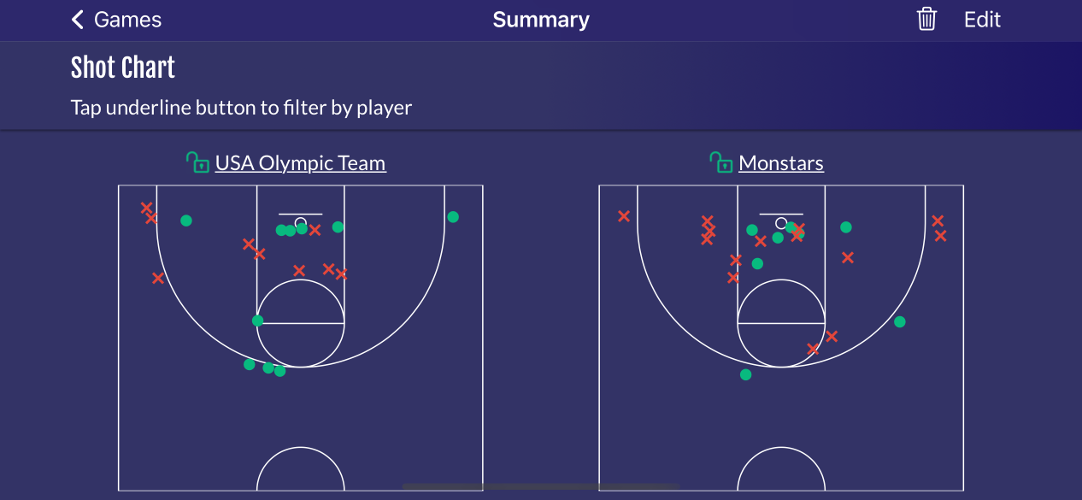
Basketball analytics is often blamed for ruining the game, killing creativity, and replacing instincts with spreadsheets. In reality, analytics enhances decision-making, uncovers hidden value, and supports smarter coaching without removing emotion or skill. This deep-dive debunks the biggest myths about basketball analytics using real-world examples to show how data and basketball intelligence truly coexist.
Introduction: Why Basketball Analytics Is Still So Misunderstood
Few topics divide basketball fans as sharply as analytics. Mention advanced stats during a heated debate and someone will inevitably say, “Basketball isn’t played on a spreadsheet.” The frustration is understandable. Basketball is emotional, physical, and unpredictable. It thrives on feel, rhythm, and confidence—qualities that don’t seem quantifiable.
Yet behind the scenes, basketball analytics has become deeply embedded in how the modern game operates, especially in the NBA. Every franchise employs analysts. Coaching staffs review lineup data. Players study efficiency maps. Front offices rely on predictive models when making million-dollar decisions.
The disconnect comes from misunderstanding what analytics actually is.
Analytics is not about replacing basketball knowledge. It’s about supporting it with evidence. The biggest myths surrounding analytics persist because fans often see only the outcomes—more three-point shots, fewer post-ups—without understanding the reasoning behind them.
This article dismantles the most common misconceptions and explains what basketball analytics really does, how it’s used, and why it’s not the enemy of the game.
Myth #1: Basketball Analytics Is Just About Advanced Stats
One of the most damaging myths is that analytics equals complicated statistics no one understands.
In reality, analytics is not about numbers—it’s about questions.
Questions like:
- Which lineups consistently win their minutes?
- Where does a player shoot most efficiently?
- What defensive schemes limit high-value shots?
- How does fatigue impact performance late in games?
Stats are merely tools used to answer those questions. Analytics blends data, video, and context. A possession isn’t judged only by whether the shot goes in, but by how that shot was created and how often it succeeds over time.
Analytics is a decision-making framework, not a math competition.
Myth #2: Analytics Killed the Mid-Range Shot
This myth refuses to die.
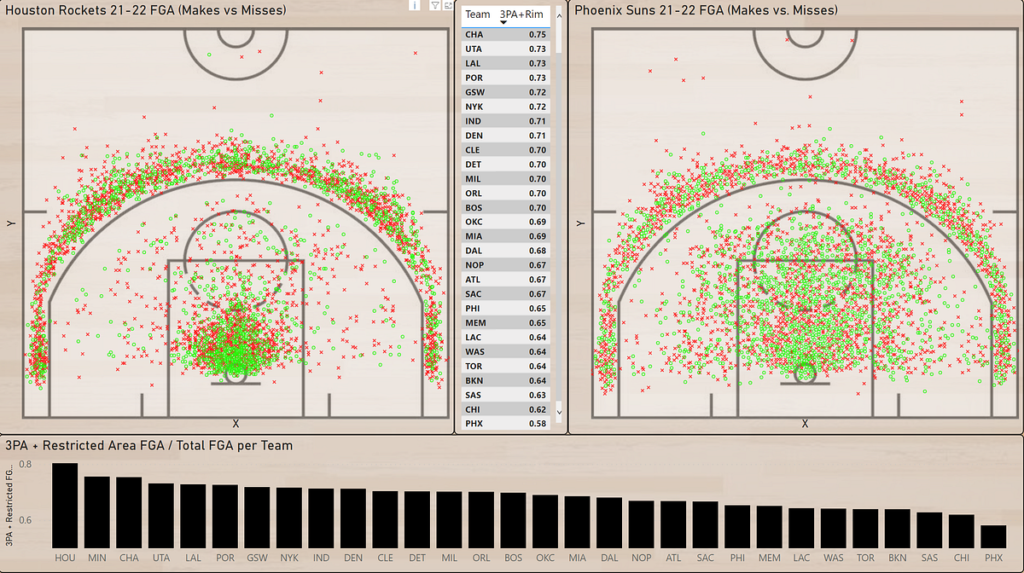
Analytics did not declare the mid-range shot illegal. It identified that most players, on average, score less efficiently from that area compared to shots at the rim or beyond the three-point line.
The key word is most.
Elite shot-makers still thrive in the mid-range. Analytics simply helps teams distinguish between:
- A bad mid-range shot
- A good mid-range shot taken by the right player
The result isn’t robotic offense—it’s smarter shot distribution. Players aren’t discouraged from creativity; they’re encouraged to maximize their strengths.
Myth #3: Analytics Ignores Defense Because Defense Is Hard to Measure
Defense is more complex than offense, but analytics has evolved far beyond steals and blocks.
Modern defensive analysis considers:
- Shot quality allowed
- Opponent efficiency
- On/off defensive impact
- Matchup data
- Rotation effectiveness
Player-tracking technology allows teams to evaluate how often a defender forces a pass, closes out effectively, or disrupts spacing—actions that never appear in box scores.
Defense isn’t ignored. It’s measured differently.
Myth #4: Analytics Replaces Coaching Instincts
Great coaches have always relied on instincts. Analytics doesn’t replace that—it refines it.
Think of analytics as a second set of eyes. A coach might sense that a lineup works well together. Analytics tests that belief across hundreds of possessions, accounting for opponent quality and game context.
When instincts and data align, confidence grows. When they conflict, it sparks investigation rather than blind acceptance.
Analytics doesn’t call plays. Coaches do.
Myth #5: Analytics Is Only for Front Offices, Not Players
This myth is outdated.
Players today use analytics regularly, even if they don’t always label it that way. Shot charts help players refine their offensive spots. Efficiency data influences role adjustments. Load monitoring helps extend careers.
Many players now understand:
- Where they’re most effective
- Which shots hurt efficiency
- How defensive attention impacts teammates
Analytics has become a personal development tool, not just a front-office weapon.
Myth #6: Analytics Makes Basketball Boring to Watch
Analytics didn’t remove excitement—it exposed inefficiencies.
The game still features:
- Isolation scoring
- Creative passing
- Clutch moments
- Defensive chess matches
What changed is how often teams settle for low-value possessions. Analytics encourages offenses to attack advantages rather than waste them.
More efficiency doesn’t mean less drama. In many cases, it creates higher-stakes possessions, where every decision matters.
Myth #7: Analytics Only Works Over Large Sample Sizes
While analytics benefits from large samples, it still informs small moments.
Late-game decisions—fouling strategies, shot selection, timeout usage—are informed by historical trends across thousands of similar scenarios.
Analytics doesn’t predict the future. It estimates probability. Coaches still choose which risks to take.
Even in small moments, probability beats guessing.
Myth #8: Analytics Disrespects Intangibles Like Leadership and Effort
Analytics doesn’t deny intangibles—it looks for their impact.
Leadership, communication, and effort show up in lineup success, defensive cohesion, and consistency. When teams perform better with certain players on the floor across different roles and lineups, analytics captures that influence.
Intangibles don’t disappear under analysis.
They leave patterns.
Myth #9: Plus/Minus Tells You Everything You Need to Know
Raw plus/minus is useful—but incomplete.
Analytics accounts for context:
- Who shared the floor
- Who they played against
- Game situations
- Matchup difficulty
That’s why adjusted metrics exist. Analytics constantly warns against over-reliance on single numbers. Interpretation matters as much as data.
Analytics values context above conclusions.
Myth #10: Basketball Analytics Is a Temporary Trend
Analytics isn’t a trend—it’s infrastructure.
What started with box scores has expanded into:
- Real-time tracking
- Injury prevention modeling
- Fatigue analysis
- AI-assisted scouting
In the future, analytics will feel invisible—embedded in good decision-making rather than debated as a concept.
Why Analytics and Basketball IQ Work Best Together
The best basketball minds already think analytically.
When a player recognizes a defender’s tendency, that’s pattern recognition. When a coach adjusts rotations based on matchups, that’s situational analysis. Data simply scales those instincts across time and competition.
Analytics doesn’t replace feel.
It sharpens it.
Practical Takeaways for Fans, Coaches, and Players
- Analytics is about decisions, not numbers
- Context matters more than any single stat
- Efficiency doesn’t eliminate creativity
- Defense is measured beyond box scores
- The best teams blend data with instinct

Frequently Asked Questions (Trending Search Queries)
1. What is the biggest myth about basketball analytics?
Ans. The belief that analytics replaces instincts, when it actually supports smarter decision-making.
2. Did analytics ruin the mid-range shot?
Ans. No. Analytics discouraged inefficient shots, not skilled mid-range scorers.
3. Can analytics accurately measure defense?
Ans. Yes, using tracking data, shot quality metrics, and lineup impact analysis.
4. Do NBA players actually use analytics?
Ans. Yes. Many players study shot charts, efficiency data, and tendencies regularly.
5. Is analytics the reason for so many three-point shots?
Ans. Analytics revealed their value; teams chose to prioritize them.
6. Does analytics ignore leadership and chemistry?
Ans. No. It captures their impact through consistent performance patterns.
7. Is plus/minus a reliable stat?
Ans. Only with context. Raw plus/minus alone can be misleading.
8. Can analytics help with late-game decisions?
Ans. Yes, by modeling probabilities based on similar historical scenarios.
9. Is basketball becoming too data-driven?
Ans. It’s becoming more informed, not less creative.
10. Will basketball analytics continue evolving?
Ans. Absolutely. Technology and data integration are accelerating rapidly.