
 By Jonathan Reed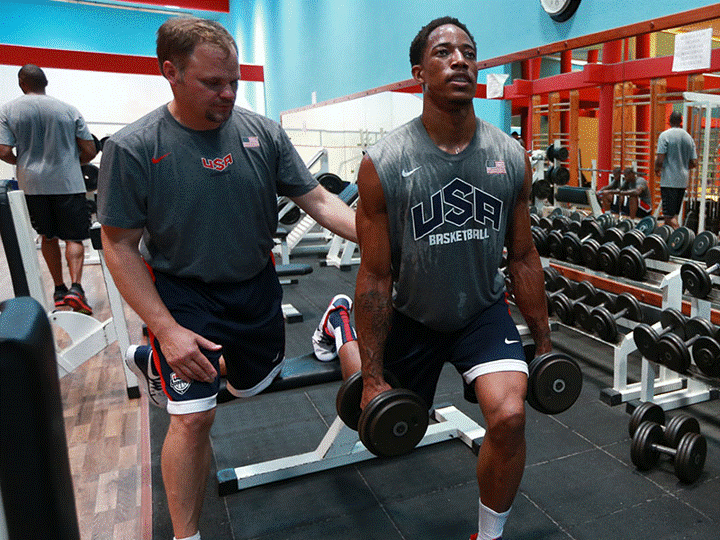
Behind every NBA superstar is a highly specialized training system the public rarely sees. From brain-based reaction drills and biomechanics-driven shooting routines to advanced recovery science and load management, modern NBA players train smarter—not harder. These methods, rooted in data and performance science, are redefining longevity, consistency, and peak performance at the highest level of basketball.
What Fans Think NBA Training Looks Like—and Why It’s Wrong
When most fans imagine NBA training, they picture endless jump shots, heavy squats, and grueling conditioning drills. While those elements still exist, they are no longer the foundation of elite performance.
The reality is far more calculated.
Today’s NBA players follow precision-engineered training systems designed to maximize output while minimizing wear and tear. These methods are not hidden because they are mysterious or forbidden—they’re quiet because they create competitive advantages that teams and players protect.
In the modern NBA, availability and consistency matter just as much as talent. Training has evolved accordingly.
Why Old-School “Harder Is Better” Training Failed
The NBA season is unforgiving:
82 games, constant travel, limited practice time, and nonstop physical stress.
Traditional training models—daily max-effort workouts, high-volume lifting, and constant conditioning—often produced:
- Chronic fatigue
- Soft-tissue injuries
- Declining late-season performance
- Shortened careers
Elite players learned that pushing harder didn’t guarantee better results. It often did the opposite.
The new priority became sustainability.
The Modern NBA Training Philosophy
The core principle guiding today’s elite training systems is simple:
Get better without breaking down.
This philosophy reshaped how players train across the league. Instead of exhausting the body, modern programs focus on:
- Movement efficiency
- Neuromuscular control
- Recovery optimization
- Long-term availability
Training is no longer about suffering—it’s about precision.
Neurocognitive Training: The Hidden Edge
One of the most under-discussed aspects of NBA training is brain training.
Basketball is a reaction sport. Players must process visual information, anticipate movement, and make decisions in fractions of a second. Physical speed matters—but processing speed matters more.
Modern NBA neurocognitive training includes:
- Reaction-light drills to improve response time
- Peripheral vision exercises
- Decision-making under fatigue
- Pattern recognition simulations
These drills sharpen court awareness, reduce hesitation, and improve playmaking under pressure. The best players don’t just move faster—they think faster.
Biomechanics-Driven Shooting Workouts
Shooting development has changed dramatically.
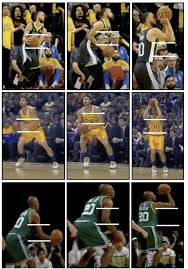
Rather than simply taking thousands of shots, players now break shooting down into measurable components:
- Joint alignment
- Balance and force distribution
- Release timing
- Shot consistency under fatigue
High-speed cameras and motion-tracking systems allow trainers to make microscopic adjustments that reduce stress on joints while increasing accuracy.
This is one reason elite shooters maintain efficiency even late in seasons when fatigue would normally cause mechanics to break down.
Load Management Is Training, Not Rest
Load management is often misunderstood.
It isn’t about skipping games for convenience. It’s about controlling cumulative stress across an entire season.
Teams monitor:
- Minutes played
- Jump counts
- Acceleration and deceleration forces
- Sleep quality
- Travel fatigue
Training loads adjust daily. Some days emphasize strength and intensity. Others prioritize mobility, breathing, and nervous-system recovery.
The goal is not constant peak effort—it’s peak performance when it matters most.
Recovery Is the Real Workout
Here’s a reality most fans don’t realize:
NBA players often spend more time recovering than training.
Recovery is no longer passive. It is structured and intentional.
Common recovery practices include:
- Cold and contrast therapy
- Soft-tissue work and massage
- Mobility-based movement sessions
- Breathwork for nervous-system regulation
Elite players understand that muscles grow, joints heal, and skills consolidate during recovery—not during workouts.
Position-Specific Strength Training
Gone are the days of one-size-fits-all weight programs.
Modern NBA strength training is tailored to position and playing style.
For example:
- Guards prioritize ankle stiffness, hip mobility, and deceleration
- Wings emphasize lateral strength and rotational power
- Bigs focus on joint stability, balance, and controlled force
This approach improves on-court performance while reducing injury risk. Strength is trained for function, not appearance.
Why NBA Players Don’t Lift Heavy All Season
Many fans assume NBA players lift heavy year-round. In reality, heavy lifting is limited to specific phases—primarily the offseason.
During the season, strength work focuses on:
- Maintenance rather than gains
- Speed and power instead of max load
- Stability over size
Heavy lifting during competition phases can reduce explosiveness and increase fatigue. Elite programs understand timing is everything.
Sleep Optimization and Circadian Training
Sleep has become one of the most important performance tools in the NBA.
Teams now track:
- Sleep duration
- Sleep quality
- Travel-related disruptions
- Circadian rhythm shifts
Some players even adjust training times to match game schedules rather than traditional morning workouts. Better sleep leads to faster reactions, improved decision-making, and reduced injury risk.
Skill Development Without Physical Wear
One of the smartest innovations in NBA training is low-impact skill work.
This includes:
- Form shooting without jumping
- Film-based mental reps
- Visualization sessions
- Slow-tempo footwork drills
These methods reinforce technique while protecting joints. Players continue improving even on recovery days.
Mental Training: The Difference Between Stars and Role Players
Mental training is no longer optional.
NBA players work with performance specialists on:
- Stress regulation
- Confidence stability
- Focus under pressure
- Emotional control after mistakes
This mental conditioning explains why some players elevate their game in the playoffs while others struggle. Confidence and composure are trained skills.
What Amateur Players Get Wrong About NBA Training
Many young players try to copy NBA workouts without understanding context.
That often leads to:
- Overtraining
- Burnout
- Preventable injuries
The truth is:
- NBA players earned advanced methods after years of foundational training
- Volume is tightly controlled
- Recovery resources are extensive
Without that infrastructure, copying pro routines blindly can do more harm than good.
What the Future of Basketball Training Looks Like
NBA training continues moving toward:
- Fewer reps, higher quality
- Brain-first performance models
- Longevity-focused programming
- Smarter recovery integration
The next generation of stars will be built through efficiency, not exhaustion.
Practical Lessons Anyone Can Apply
You don’t need NBA resources to benefit from NBA principles.
Key takeaways:
- Train with intent, not ego
- Value recovery as much as effort
- Improve decision-making, not just athleticism
- Consistency beats intensity
The real secret isn’t a drill—it’s the mindset.

Frequently Asked Questions (FAQs)
1. What secret training methods do NBA players use?
Ans. NBA players use neurocognitive drills, biomechanics-based shooting analysis, load management, and recovery-focused training systems.
2. Do NBA players train every day?
Ans. Not always. Training intensity varies daily based on fatigue, game load, and recovery needs.
3. Why is recovery so important in NBA training?
Ans. Recovery improves longevity, reduces injury risk, and helps players maintain performance across long seasons.
4. Do NBA players lift heavy weights?
Ans. Yes, mainly in the offseason. In-season training focuses on maintenance and movement quality.
5. How important is mental training for NBA players?
Ans. Extremely important. Mental resilience affects consistency, confidence, and playoff performance.
6. Can amateur players use NBA training methods?
Ans. Some principles apply, but volume and intensity must be adjusted to avoid injury.
7. Why don’t NBA players just practice shooting more?
Ans. Excessive shooting increases joint stress. Modern training prioritizes efficiency over volume.
8. Is load management just resting games?
Ans. No. It’s a full system controlling total physical stress across games and practices.
9. How does sleep impact NBA performance?
Ans. Sleep directly affects reaction time, decision-making, recovery, and injury prevention.
10. What is the biggest misconception about NBA training?
Ans. That harder training always leads to better results. Smart training produces better careers.