
 By Jonathan Reed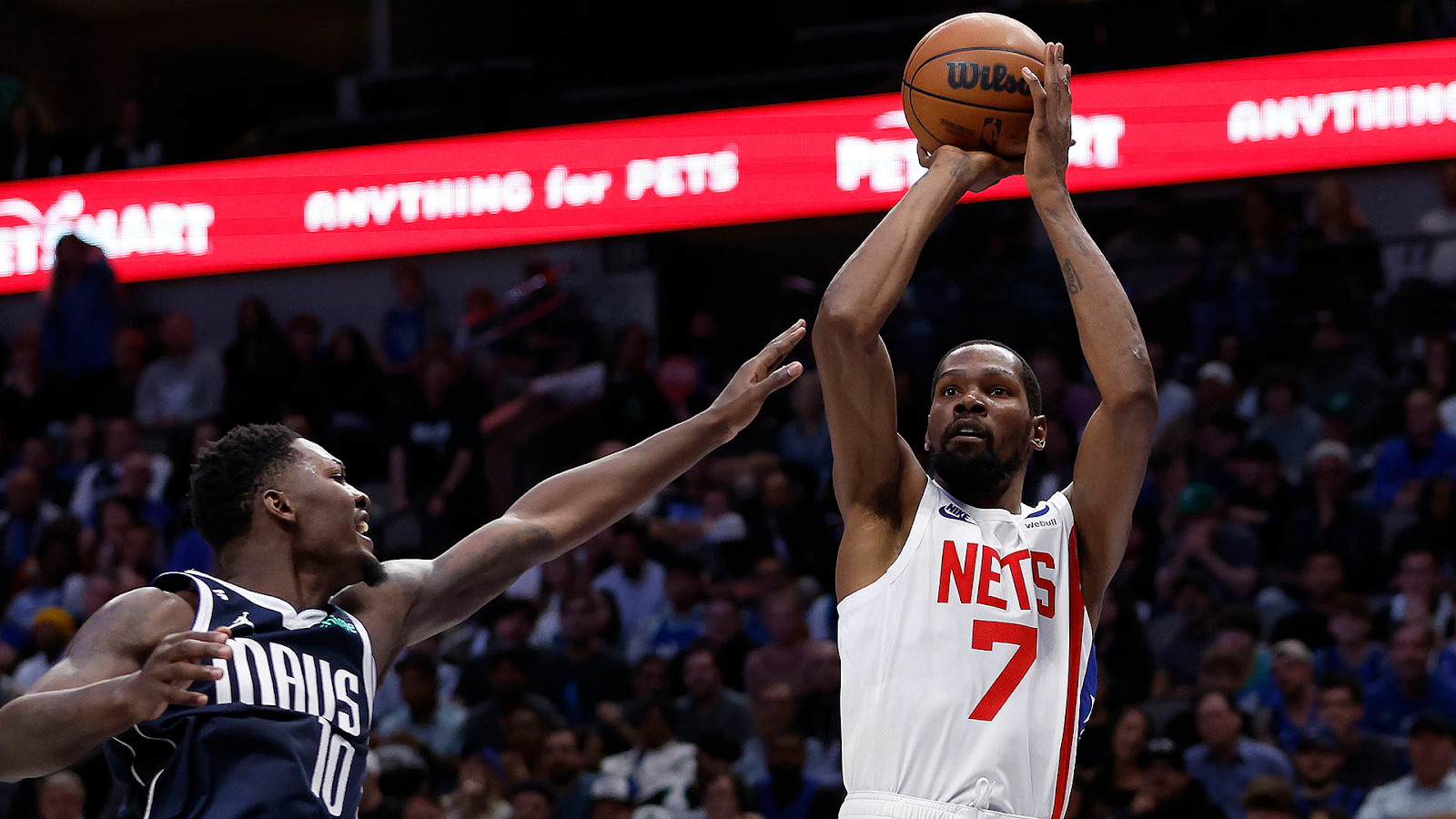
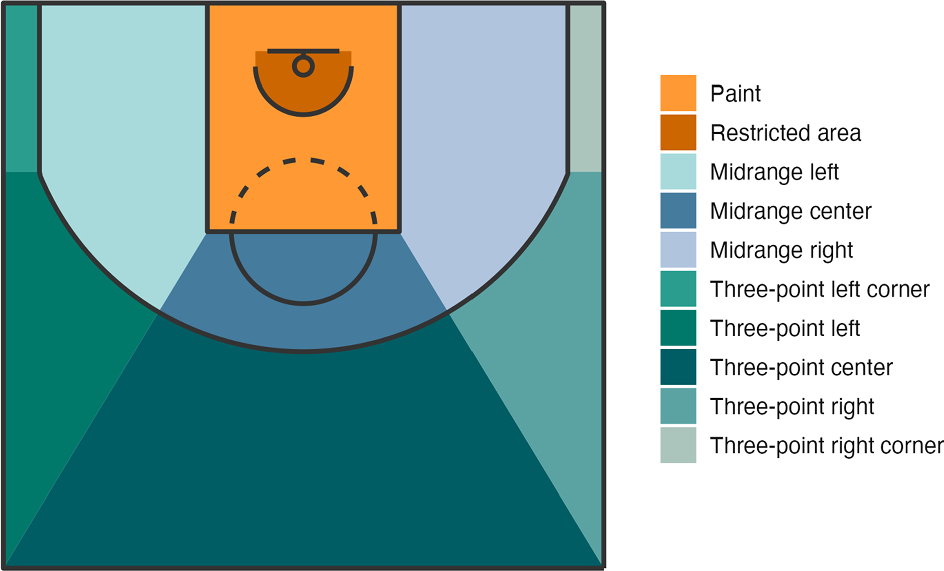
Once dismissed as inefficient, the mid-range shot is quietly reclaiming its importance in the NBA. As defenses aggressively protect the three-point line and the rim, elite scorers are exploiting open space in between. Driven by playoff basketball realities, defensive switching, and superstar shot-making, the mid-range jumper has evolved into a strategic counter that restores balance to modern NBA offenses.
The Shot Analytics Tried to Erase—but Didn’t
For nearly a decade, the NBA followed a clear mathematical doctrine:
threes and shots at the rim only.
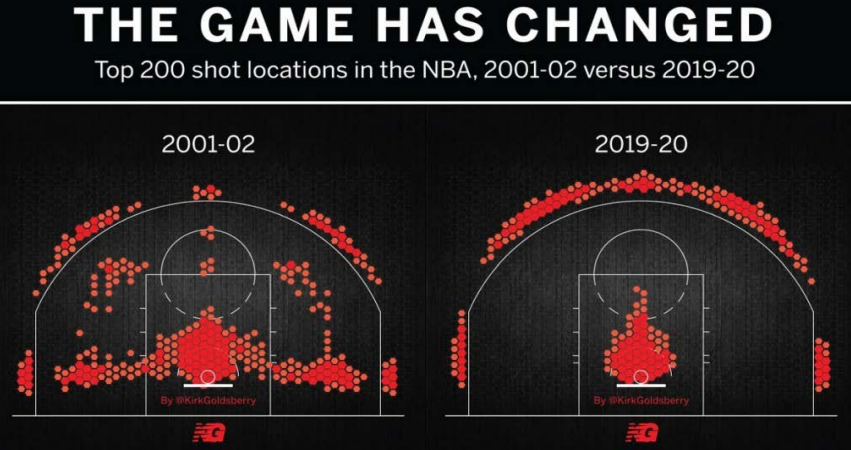
Analytics-driven offenses reshaped basketball strategy, pushing teams to eliminate what was seen as the least efficient shot on the floor—the mid-range jumper. Coaches discouraged it, players trained away from it, and entire offensive systems were designed to avoid it.
Yet despite all that, the mid-range shot never truly disappeared.
Instead, it waited.
Today, the NBA is witnessing a quiet but undeniable shift. The mid-range shot is no longer a relic of the past—it is a calculated response to how modern defenses play.
Why the Mid-Range Shot Was Declared “Inefficient”
The analytical argument against mid-range shots was logical.
A typical mid-range jumper converts at around 40–45%, producing roughly 0.8–0.9 points per shot. Compare that to:
- Three-pointers at 35–38% (≈1.05 points per shot)
- Layups and dunks at 60%+ (≈1.2 points per shot)
On paper, the math was overwhelming.
As a result:
- Coaches reduced mid-range attempts
- Players shifted toward three-point shooting
- Offenses emphasized spacing and rim pressure
The goal wasn’t aesthetics—it was efficiency.
Defensive Evolution Changed the Math
The problem with optimization is that defenses adapt.
Modern NBA defenses are built to:
- Take away corner threes
- Force ball-handlers off the arc
- Pack the paint with help defenders
- Switch aggressively across positions
This leaves one area consistently available: the mid-range.
What was once inefficient became open. And open shots—especially for elite players—are efficient regardless of distance.
The Playoffs Exposed the Flaws in Shot Dogma
The postseason is where basketball truths are tested.
In the playoffs:
- Pace slows dramatically
- Defenses eliminate first and second options
- Scouting becomes hyper-specific
- Transition opportunities vanish
When spacing collapses and plays break down, teams need scorers who can create reliable shots without help.
That is where the mid-range shines.
Elite playoff scorers repeatedly turn to pull-up jumpers, fadeaways, and short floaters because those shots are:
- Harder to scheme against
- Less dependent on spacing
- More reliable under pressure
Superstars Who Never Abandoned the Mid-Range
While role players adjusted their shot diets, the league’s best scorers never fully gave up the mid-range.
Kevin Durant’s high-release jumper remains nearly unblockable. Kawhi Leonard’s mid-post game punishes switches. Devin Booker thrives between the free-throw line and the elbows. Chris Paul built an entire Hall of Fame résumé on his elbow jumper.
These players prove a critical truth:
Efficiency depends on skill, not just shot location.
Why the Mid-Range Shot Is Efficient Again
Modern analytics has evolved beyond simple shot charts.
Efficiency today accounts for:
- Defensive pressure
- Shot quality
- Player comfort zones
- Game context
A lightly contested 17-foot jumper by an elite scorer often produces better outcomes than a heavily contested three.
The mid-range shot has become:
- Selective, not frequent
- Strategic, not forced
- Specialized, not universal
That distinction has changed everything.
Defensive Switching Created a Perfect Use Case
Switch-heavy defenses dominate the NBA.
When defenders switch:
- Guards end up on forwards
- Bigs are isolated against quick scorers
- Help defense hesitates
The mid-range pull-up exploits these moments perfectly.
Players no longer need to beat defenders to the rim. They only need enough space to rise and shoot.
This is why modern stars have leaned back into mid-range mastery—it’s the most efficient response to switching.
Late-Game Basketball Favors the Mid-Range
When games tighten in the final minutes, basketball becomes simpler and harder at the same time.
Defenses:
- Run shooters off the line
- Protect the rim at all costs
- Force isolation plays
In these moments, mid-range shots offer:
- Balance
- Control
- Shot certainty
That’s why clutch scorers almost always rely on mid-range jumpers when everything else is taken away.
Analytics Didn’t Fail—They Evolved
It’s important to be clear:
Analytics never banned the mid-range shot.
Early models focused on average outcomes. Modern models focus on context.
Today’s data-driven teams emphasize:
- Matchup-based shot selection
- Game-state efficiency
- Player-specific strengths
The mid-range shot is no longer inefficient—it’s situationally optimal.
Player Development Has Adjusted Accordingly
NBA development programs have adapted to the league’s new balance.
Instead of discouraging mid-range shots entirely, coaches now teach:
- Footwork into pull-ups
- Reading defensive coverage
- Shot creation off switches
- Controlled pacing
Young players are trained to be versatile rather than one-dimensional.
What This Means for the Future of NBA Offense
The NBA is entering a phase of equilibrium.
Extreme three-point dependency creates predictability. Defenses exploit that. The mid-range restores offensive balance.
Going forward, expect:
- More individualized shot profiles
- Fewer rigid “no mid-range” mandates
- Increased emphasis on adaptability
- Smarter playoff-oriented offense
Basketball evolution is cyclical—and balance always returns.
Key Takeaways for Fans, Players, and Coaches
- The mid-range shot complements analytics—it doesn’t oppose it
- Elite scorers benefit most from mid-range mastery
- Playoff basketball rewards versatility
- Context matters more than rigid shot rules
The mid-range shot didn’t make a comeback because of nostalgia.
It returned because the modern NBA made space for it again.
Frequently Asked Questions (FAQs)
1. Why is the mid-range shot making a comeback in the NBA?
Ans. Defenses focus heavily on stopping threes and shots at the rim, leaving mid-range areas open for efficient scoring.
2. Did analytics fail by discouraging mid-range shots?
Ans. No. Analytics targeted inefficient mid-range attempts, not high-quality shots taken by skilled scorers.
3. Is the mid-range shot efficient in today’s NBA?
Ans. Yes, when taken selectively by elite shooters in favorable situations.
4. Why does the mid-range matter more in the playoffs?
Ans. Playoff defenses limit spacing and force isolation, making self-created mid-range shots more reliable.
5. Which NBA players rely heavily on mid-range scoring?
Ans. Players like Kevin Durant, Kawhi Leonard, Devin Booker, and Chris Paul use it effectively.
6. Are NBA teams encouraging more mid-range shots now?
Ans. Teams encourage smarter shot selection, including mid-range attempts when they are the best option.
7. Does shooting mid-range hurt offensive spacing?
Ans. No. Selective mid-range shooting can actually improve spacing by pulling defenders out of the paint.
8. Will the NBA move away from three-point shooting?
Ans. No. Threes remain essential, but offenses are becoming more balanced and adaptable.
9. Why is the mid-range harder to defend?
Ans. It punishes defensive switches, drop coverage, and overhelping, making it difficult to scheme against.
10. What should young players learn from this trend?
Ans. Versatility matters. Developing a reliable mid-range game increases long-term value and playoff effectiveness.